- Why a Vegetarian Eating Pattern Can Support Better Health
- Vegetarian Diet Guide: Build Balanced Meals
- Prioritize Protein Every Day
- Do Not Overlook Key Nutrients
- Iron
- Vitamin B12
- Omega-3 Fatty Acids
- Calcium and Vitamin D
- Zinc
- Vegetarian Diet Guide for Beginners: Start Small and Stay Consistent
- Smart Meal Ideas for Everyday Life
- Breakfast
- Lunch
- Dinner
- Snacks
- Common Mistakes to Avoid
- Make It Enjoyable and Sustainable
- Final Thoughts
Vegetarian Diet Guide: Must-Have Tips for a Healthier Life
Vegetarian diet guide advice often begins with one simple truth: eating more plant-based foods can support better health, improve energy levels, and bring more variety to your plate. Whether you are fully committed to vegetarian eating or just starting to reduce meat, a well-planned approach makes all the difference. The key is to focus on balance, nutrient density, and practical habits that are easy to maintain in daily life.
A vegetarian lifestyle is more than just removing meat from meals. It is about building nourishing dishes around vegetables, fruits, legumes, whole grains, nuts, seeds, and dairy or eggs if those fit your preference. When done right, it can help support heart health, digestion, weight management, and overall wellness.
Why a Vegetarian Eating Pattern Can Support Better Health
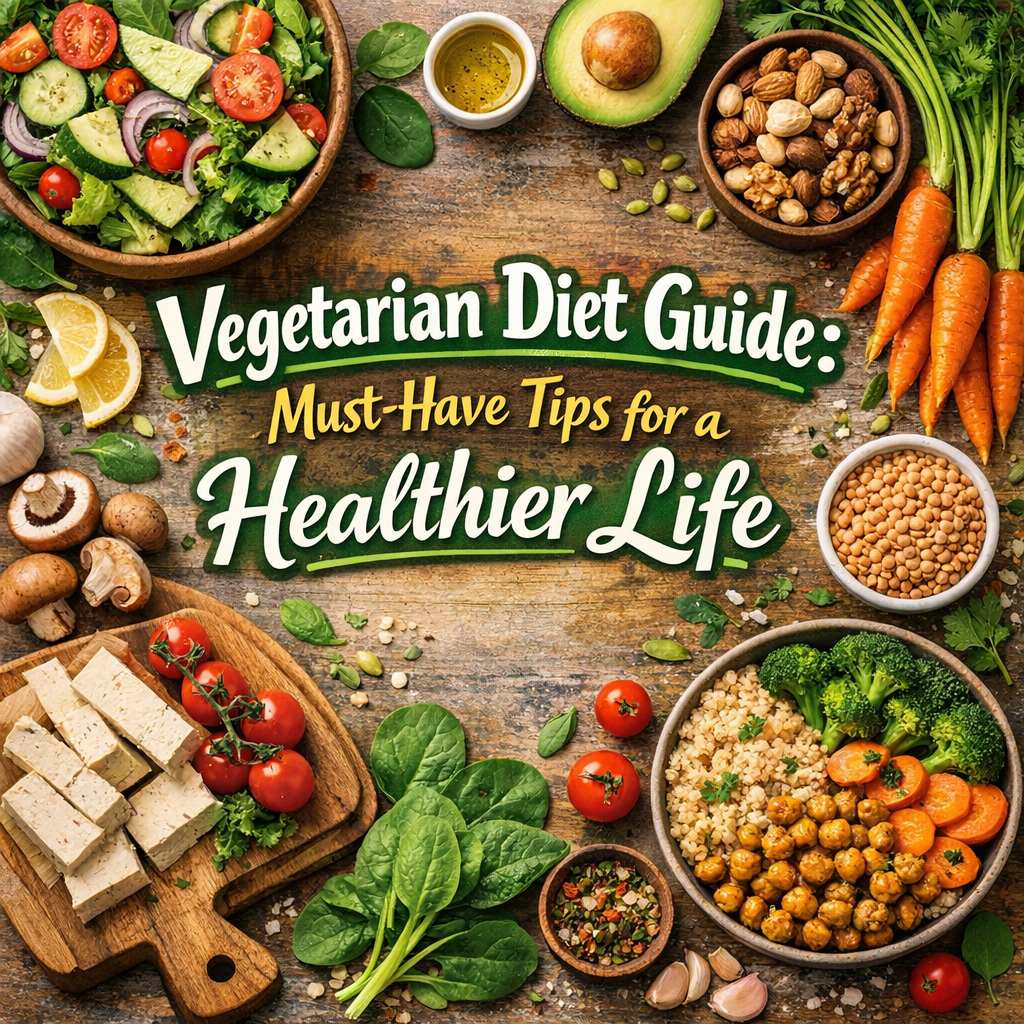
One of the biggest benefits of a vegetarian approach is the emphasis on whole, fiber-rich foods. Many plant-based ingredients are naturally lower in saturated fat and rich in vitamins, minerals, and antioxidants. This combination may help reduce the risk of certain chronic conditions, including high blood pressure and heart disease.
There are also everyday benefits that many people notice, such as:
– Improved digestion from higher fiber intake
– More stable energy from complex carbohydrates and nutrient-dense meals
– Greater variety in food choices
– Increased awareness of healthy cooking habits
– Easier portion control when meals are centered on whole foods
However, healthy vegetarian eating does not happen automatically. Chips, sugary cereals, and highly processed meat substitutes may still fit the label, but they do not always provide the nutrition your body needs. A thoughtful plan is essential.
Vegetarian Diet Guide: Build Balanced Meals
The easiest way to succeed is to create meals that include a mix of important nutrients. A balanced vegetarian plate should usually contain:
– Protein: beans, lentils, tofu, tempeh, Greek yogurt, cottage cheese, eggs, edamame, chickpeas
– Healthy fats: avocado, olive oil, nuts, seeds, nut butters
– Complex carbohydrates: brown rice, quinoa, oats, sweet potatoes, whole grain bread, barley
– Fiber-rich produce: leafy greens, berries, broccoli, carrots, bell peppers, tomatoes, apples
– Calcium-rich foods: milk, yogurt, cheese, fortified plant milks, sesame seeds, bok choy
A simple formula is to fill half your plate with vegetables, one quarter with whole grains or starchy vegetables, and one quarter with protein-rich foods. This makes meals satisfying and nutritionally complete without feeling overly restrictive.
Prioritize Protein Every Day
A common concern about vegetarian eating is protein intake. The good news is that there are many excellent vegetarian protein sources. You do not need meat to meet your needs, but you do need to be intentional.
Some easy options include:
– Lentils in soups, curries, and salads
– Black beans or kidney beans in tacos and grain bowls
– Tofu stir-fries or baked tofu
– Tempeh in wraps and sandwiches
– Eggs for breakfast or quick dinners
– Greek yogurt with fruit and seeds
– Hummus paired with whole grain pita and vegetables
Combining a variety of plant proteins throughout the day helps provide a full range of amino acids. For most people, variety matters more than perfection at every single meal.
Do Not Overlook Key Nutrients
A healthy vegetarian pattern should pay close attention to a few nutrients that can be harder to get in adequate amounts.
Iron
Plant-based iron is found in lentils, beans, spinach, tofu, pumpkin seeds, and fortified cereals. To improve absorption, pair these foods with vitamin C-rich ingredients like oranges, strawberries, tomatoes, or bell peppers.
Vitamin B12
Vitamin B12 is especially important because it is not naturally abundant in many plant foods. Vegetarians who eat dairy and eggs may get some B12, but fortified foods or supplements may still be helpful. This is something worth discussing with a healthcare professional.
Omega-3 Fatty Acids
For brain and heart health, include flaxseeds, chia seeds, walnuts, and hemp seeds. If needed, some people choose an algae-based omega-3 supplement.
Calcium and Vitamin D
Dairy products can provide calcium, but fortified plant milks, tofu made with calcium sulfate, leafy greens, and sesame seeds are also useful. Vitamin D may require sunlight exposure, fortified foods, or supplementation depending on your lifestyle and climate.
Zinc
Zinc supports immunity and healing. Good vegetarian sources include beans, lentils, nuts, seeds, dairy, and whole grains.
Vegetarian Diet Guide for Beginners: Start Small and Stay Consistent
If you are new to vegetarian eating, there is no need to change everything overnight. In fact, gradual changes are often more sustainable than extreme ones.
Try these simple starting points:
1. Begin with one or two meatless days each week.
2. Swap meat with familiar alternatives, such as black beans in tacos or lentils in pasta sauce.
3. Keep staple ingredients at home, like canned beans, eggs, oats, frozen vegetables, quinoa, and yogurt.
4. Learn a few easy go-to meals that you genuinely enjoy.
5. Read labels on processed vegetarian products, since some are high in sodium or additives.
Consistency matters more than perfection. A practical routine will serve you better than a plan that feels overwhelming.
Smart Meal Ideas for Everyday Life
Healthy vegetarian meals can be simple, affordable, and satisfying. Here are a few examples:
Breakfast
– Oatmeal with chia seeds, berries, and almond butter
– Greek yogurt with granola, banana, and walnuts
– Veggie omelet with whole grain toast
Lunch
– Quinoa salad with chickpeas, cucumber, tomatoes, and feta
– Lentil soup with a side salad
– Hummus and roasted vegetable wrap
Dinner
– Stir-fried tofu with brown rice and broccoli
– Black bean chili with avocado
– Whole wheat pasta with spinach, mushrooms, and white beans
Snacks
– Apple slices with peanut butter
– Cottage cheese with fruit
– Trail mix with nuts and seeds
– Carrot sticks with hummus
These meals work well because they combine protein, fiber, and healthy fats, helping you stay full and energized.
Common Mistakes to Avoid
Even a plant-based pattern can fall short if it is poorly planned. Watch out for these common issues:
– Relying too heavily on refined carbs like white bread or pasta
– Eating too few calories, especially when increasing vegetables but not adding protein or healthy fats
– Skipping meals and then overeating later
– Ignoring B12, iron, or calcium intake
– Depending too much on ultra-processed vegetarian convenience foods
A healthy routine is not about being strict. It is about creating a pattern that includes enough nourishment, variety, and enjoyment.
Make It Enjoyable and Sustainable
The best eating plan is one you can maintain. Explore new recipes, try seasonal produce, and experiment with herbs, spices, and cooking methods. Roasting vegetables, using flavorful dressings, and building colorful bowls can make meals much more appealing.
It also helps to think beyond restrictions. Instead of focusing on what is missing, focus on what you are adding: more fiber, more nutrients, more color, and more creativity in the kitchen.
Final Thoughts
A vegetarian lifestyle can be a powerful step toward better health when it is built on balance and thoughtful food choices. By prioritizing protein, paying attention to key nutrients, and planning simple meals that fit your schedule, you can enjoy the benefits of plant-focused eating without feeling limited. Small changes done consistently often lead to the biggest long-term results, and with the right habits, a healthier way of eating can become both easy and enjoyable.