- What Makes Superfoods So Valuable?
- Top Superfoods to Include in Your Diet
- 1. Berries
- 2. Leafy Greens
- 3. Salmon
- 4. Avocados
- 5. Nuts and Seeds
- 6. Greek Yogurt
- 7. Sweet Potatoes
- How Superfoods Support a Better Life
- Better Energy
- Stronger Immunity
- Improved Digestion
- Heart and Brain Health
- Easy Tips for Adding Superfoods to Everyday Meals
- Common Mistakes to Avoid
- Final Thoughts
Superfoods: Must-Have Healthy Foods for a Better Life
Superfoods are nutrient-dense foods that can support energy, immunity, heart health, digestion, and overall well-being when included in a balanced diet. While no single ingredient can magically transform your health, choosing foods rich in vitamins, minerals, antioxidants, fiber, and healthy fats can make a meaningful difference over time. From colorful berries to leafy greens and seeds, these everyday choices can help build a stronger foundation for a better life.
What Makes Superfoods So Valuable?
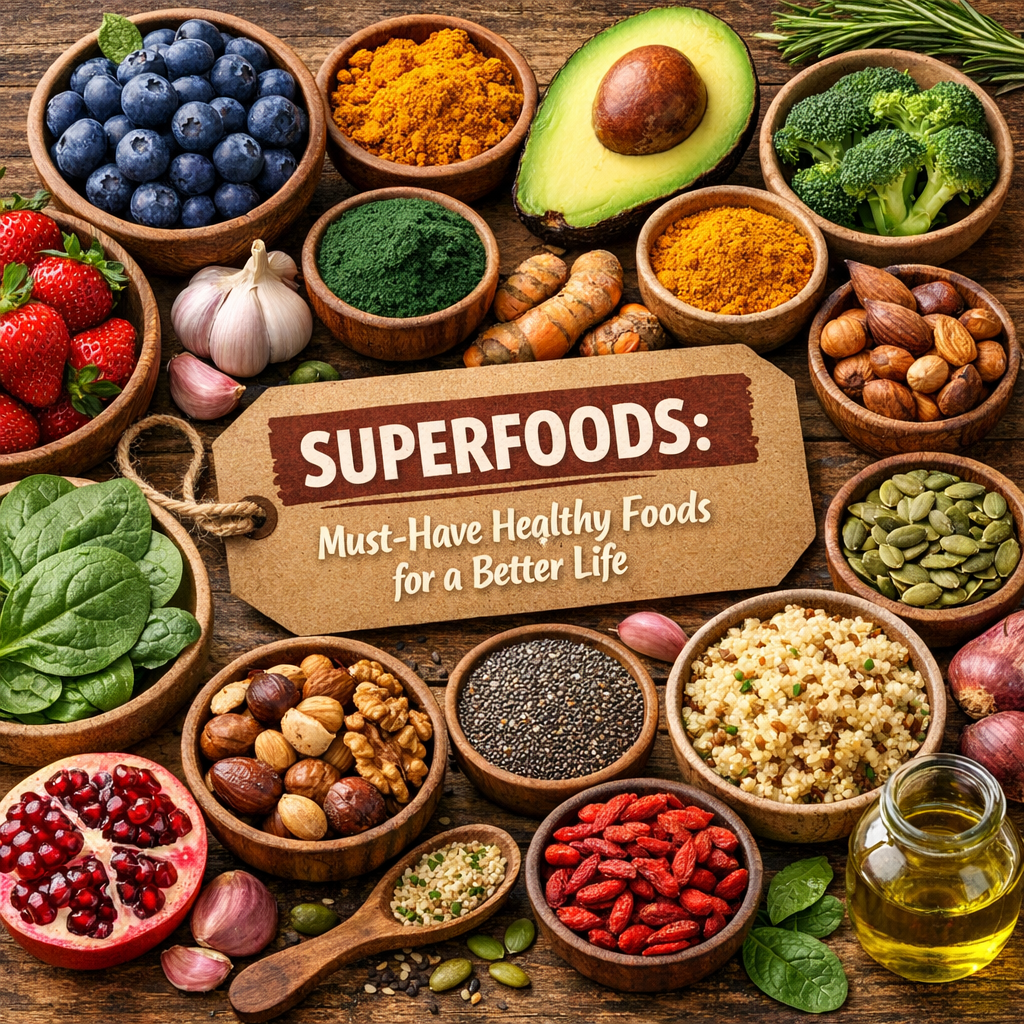
The term superfoods is often used to describe foods packed with beneficial nutrients. These foods are not a separate scientific category, but they are known for offering a high concentration of health-supporting compounds in relatively small servings.
Many of them contain:
– Antioxidants, which help protect the body from oxidative stress
– Fiber, which supports digestion and gut health
– Healthy fats, important for brain and heart function
– Vitamins and minerals, essential for energy production, immunity, and cell repair
– Phytonutrients, naturally occurring plant compounds linked to better long-term health
Adding more of these foods to your meals is not about chasing trends. It is about making smart, nourishing choices that help your body function at its best.
Top Superfoods to Include in Your Diet
There are many foods that deserve a place in a healthy eating routine. Here are some of the most popular and practical options.
1. Berries
Blueberries, strawberries, raspberries, and blackberries are loaded with antioxidants, vitamin C, and fiber. They are excellent for supporting immune health and may help reduce inflammation. Berries are also naturally sweet, making them a healthier option for satisfying sugar cravings.
Easy ways to eat them:
– Add them to oatmeal or yogurt
– Blend them into smoothies
– Toss them into salads
– Eat them as a fresh snack
2. Leafy Greens
Spinach, kale, Swiss chard, and arugula are rich in vitamins A, C, and K, as well as folate, iron, and calcium. These greens support bone health, eye health, and healthy blood circulation.
Simple ideas:
– Mix into omelets
– Blend into smoothies
– Use as a salad base
– Stir into soups and pasta dishes
3. Salmon
Salmon is one of the best sources of omega-3 fatty acids, which are linked to heart and brain health. It also provides high-quality protein and important nutrients like vitamin D and selenium.
Regularly eating fatty fish may help support:
– Healthy cholesterol levels
– Reduced inflammation
– Better cognitive function
4. Avocados
Avocados provide heart-healthy monounsaturated fats, fiber, potassium, and several vitamins. They are filling, versatile, and beneficial for maintaining balanced energy levels.
Try avocado:
– On whole-grain toast
– In salads
– Blended into smoothies
– As guacamole with vegetables
5. Nuts and Seeds
Chia seeds, flaxseeds, almonds, walnuts, and pumpkin seeds are small but powerful. They offer healthy fats, plant protein, magnesium, and fiber. Chia and flaxseeds are especially valued for their omega-3 content.
A handful of nuts or a spoonful of seeds can make snacks and meals more satisfying and nutritious.
6. Greek Yogurt
Greek yogurt is high in protein and often contains probiotics, which help support gut health. It can also be a good source of calcium and B vitamins.
Choose plain varieties when possible and add your own toppings like fruit, cinnamon, or nuts to keep added sugar low.
7. Sweet Potatoes
Sweet potatoes are rich in fiber, complex carbohydrates, and beta-carotene, which the body converts into vitamin A. They support eye health, immune function, and steady energy.
They are especially useful for people looking for a more nourishing alternative to highly processed side dishes.
How Superfoods Support a Better Life
Including more superfoods in your routine can positively affect both short-term and long-term health. The benefits often come from consistency rather than perfection.
Better Energy
Foods high in fiber, protein, and healthy fats help stabilize blood sugar and reduce energy crashes. Instead of relying on sugary snacks, nutrient-rich meals can keep you feeling full and focused for longer.
Stronger Immunity
Vitamin C-rich fruits, zinc-containing seeds, probiotic foods, and antioxidant-packed vegetables all contribute to a more resilient immune system. A healthy diet cannot prevent every illness, but it can help the body defend itself more effectively.
Improved Digestion
Fiber from fruits, vegetables, seeds, legumes, and whole grains supports regular digestion. Probiotic foods like yogurt also help maintain a healthy gut environment, which plays a major role in overall wellness.
Heart and Brain Health
Omega-3 fats from salmon, flaxseeds, and walnuts are widely recognized for their role in supporting cardiovascular health and brain function. Foods rich in potassium, such as avocados and leafy greens, may also help support healthy blood pressure.
Easy Tips for Adding Superfoods to Everyday Meals
Eating healthier does not have to be complicated or expensive. The best approach is to build simple habits you can maintain.
Here are a few practical ideas:
– Start the day with oatmeal topped with berries and chia seeds
– Add spinach or kale to smoothies
– Keep nuts on hand for quick snacks
– Replace refined sides with sweet potatoes or quinoa
– Include fish in your weekly meal plan
– Add avocado to sandwiches, wraps, or grain bowls
– Choose colorful produce to increase variety
You do not need to buy every trendy ingredient you see online. Many affordable and familiar foods offer excellent nutritional value.
Common Mistakes to Avoid
While nutrient-rich foods are beneficial, balance still matters. Here are a few things to keep in mind:
– Do not rely on one food alone. Variety is essential for complete nutrition.
– Watch portion sizes. Even healthy foods like nuts and avocados are calorie-dense.
– Avoid marketing hype. Some packaged products use the word “superfood” without offering real nutritional benefits.
– Focus on the whole diet. Good health comes from overall eating patterns, not a single ingredient.
Final Thoughts
A healthier lifestyle does not have to begin with extreme diets or complicated meal plans. It can start with simple, consistent choices like adding berries to breakfast, eating more leafy greens, or choosing salmon instead of heavily processed meals. The real power of superfoods lies in how they work together as part of a balanced, enjoyable way of eating.
By making room for nutrient-dense foods in your everyday routine, you can support your body, improve your energy, and move toward a better quality of life—one meal at a time.