- Why Healthy Eating Is Becoming More Personalized
- Top Nutrition Trends Shaping Healthy Eating
- 1. Plant-Forward Eating
- 2. Gut Health Awareness
- Smarter Protein Choices Are a Major Focus
- Blood Sugar Balance Is Getting More Attention
- Functional Foods and Nutrient Density
- Sustainability Is Influencing Food Decisions
- How to Use Nutrition Trends Without Getting Overwhelmed
- Final Thoughts on Nutrition Trends
Nutrition Trends: Must-Have Healthy Eating Insights
Nutrition trends are changing the way people think about food, health, and daily habits. Healthy eating is no longer just about counting calories or following strict rules. Today, it is more focused on quality, balance, personalization, and long-term wellness. From gut-friendly meals to smarter protein choices, modern eating habits are becoming more practical and sustainable. Understanding what is shaping the conversation can help you make informed decisions without getting lost in hype.
Why Healthy Eating Is Becoming More Personalized
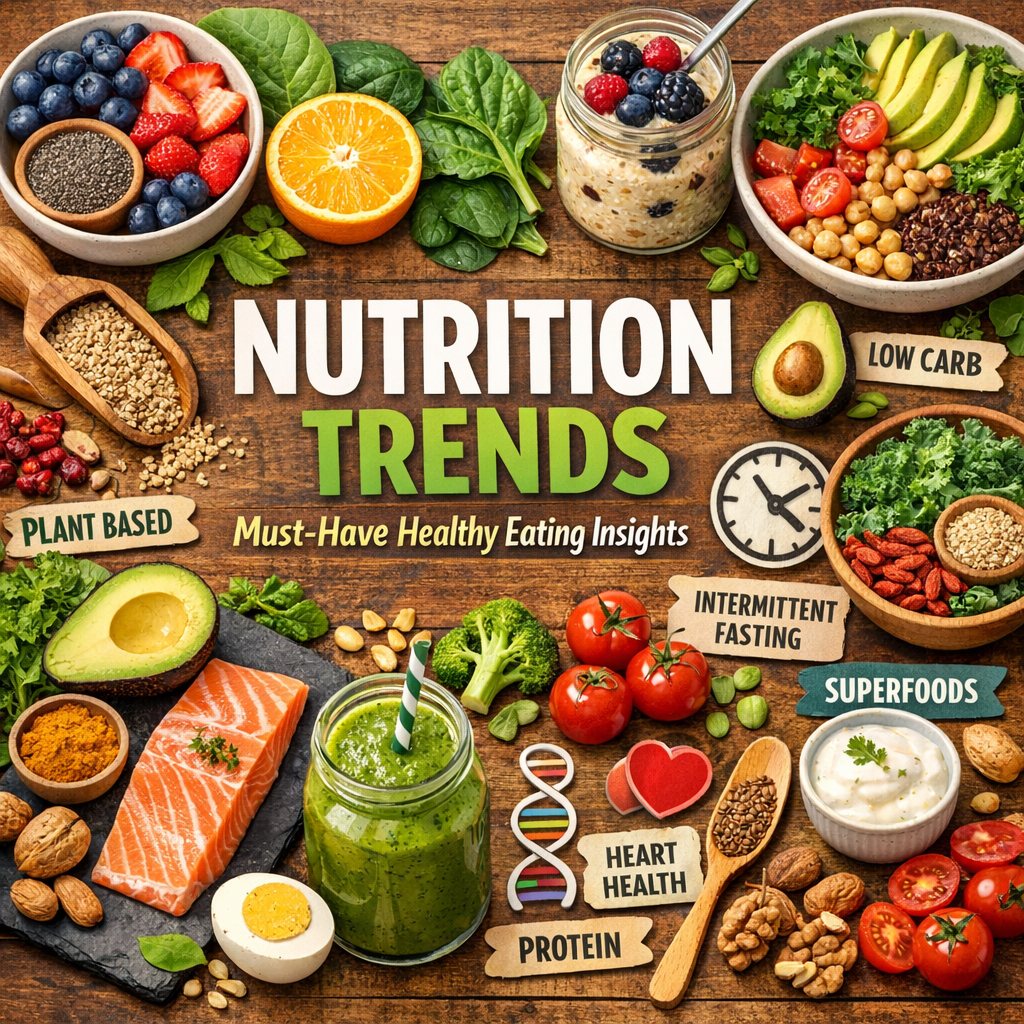
One of the biggest shifts in recent years is the move away from one-size-fits-all advice. People are starting to realize that nutrition is highly individual. Age, activity level, sleep, stress, medical history, and even food preferences all influence what works best for each person.
This growing interest in personalized eating has led more people to pay attention to how foods affect their energy, digestion, mood, and focus. Instead of chasing perfect diets, many are building eating patterns that fit their actual lifestyle. This approach is more realistic and often easier to maintain over time.
Personalized nutrition does not always require expensive testing or complicated plans. It can be as simple as noticing how balanced meals improve concentration, or how certain foods leave you feeling sluggish. The key idea is to eat with awareness rather than blindly follow trends.
Top Nutrition Trends Shaping Healthy Eating
Several major nutrition trends are influencing grocery choices, meal planning, and public health advice. While trends come and go, some reflect meaningful changes backed by common sense and emerging science.
1. Plant-Forward Eating
Plant-forward eating continues to gain attention, but it does not necessarily mean going fully vegetarian or vegan. Instead, it encourages putting more fruits, vegetables, legumes, nuts, seeds, and whole grains at the center of meals.
This trend matters because plant foods offer fiber, vitamins, minerals, antioxidants, and beneficial plant compounds that support overall health. Eating more plants may help with digestion, heart health, blood sugar balance, and weight management.
A plant-forward plate might include:
– Oatmeal with berries and seeds
– Grain bowls with beans and roasted vegetables
– Stir-fries loaded with colorful produce
– Soups made with lentils, greens, and whole grains
The goal is not restriction. It is simply to make nutrient-dense plant foods a regular part of daily eating.
2. Gut Health Awareness
Gut health has become one of the most talked-about areas in wellness, and for good reason. The digestive system plays a central role in nutrient absorption, immune function, and even overall comfort and energy.
People are becoming more interested in foods that support a healthy gut microbiome. These include fiber-rich foods, fermented products, and a variety of plant-based ingredients. Yogurt, kefir, kimchi, sauerkraut, miso, beans, vegetables, and whole grains are often highlighted.
However, the real takeaway is not that one “superfood” will fix digestion. A healthier gut usually comes from consistent habits:
– Eating enough fiber
– Staying hydrated
– Including diverse foods
– Managing stress
– Avoiding overly processed diets when possible
Smarter Protein Choices Are a Major Focus
Protein remains a priority, but the conversation is getting more balanced. Instead of simply trying to eat more protein, people are asking better questions: What kind of protein? How much do I actually need? How can I spread it across the day?
This shift has led to more interest in protein quality and variety. Lean meats, fish, eggs, dairy, tofu, tempeh, lentils, chickpeas, and edamame all have value. Many people are also combining animal and plant protein sources rather than choosing one side.
Balanced protein intake can support:
– Muscle maintenance
– Satiety after meals
– Recovery from exercise
– Healthy aging
The most helpful approach is usually to include a moderate source of protein in each meal instead of relying on one large serving at dinner or excessive supplements.
Blood Sugar Balance Is Getting More Attention
Another important development is the focus on keeping blood sugar more stable throughout the day. This is not only relevant for people with diabetes. Many healthy eaters are becoming aware that blood sugar swings can affect hunger, mood, and energy.
Meals that combine protein, fiber, and healthy fats tend to be more satisfying and supportive of steady energy than meals built mostly around refined carbs or sugary snacks.
For example:
– Pair fruit with nuts or yogurt
– Choose whole grains instead of heavily refined grains
– Add beans or chicken to a salad
– Include avocado, eggs, or hummus with breakfast
This trend reflects a broader move toward eating for sustained performance rather than quick bursts of energy followed by crashes.
Functional Foods and Nutrient Density
Functional foods are foods that offer benefits beyond basic calories. This category often includes ingredients linked with heart health, immune support, brain function, or inflammation management. Berries, leafy greens, fatty fish, nuts, seeds, olive oil, legumes, and green tea are popular examples.
At the same time, more people are focusing on nutrient density. That means choosing foods that deliver more vitamins, minerals, fiber, and beneficial compounds per bite. Nutrient-dense eating does not require perfection. It simply means making room for foods that truly nourish the body on a regular basis.
This mindset can be more useful than obsessing over what to avoid. When you prioritize quality foods, many healthy habits fall into place naturally.
Sustainability Is Influencing Food Decisions
Modern eating habits are also being shaped by environmental concerns. More consumers want meals that are good for both personal health and the planet. This has increased interest in seasonal produce, local foods, reduced food waste, and plant-rich diets.
Sustainable eating does not have to be extreme. Even small changes can make a difference:
– Buying only what you will use
– Planning leftovers into future meals
– Choosing beans or lentils a few times a week
– Supporting local produce when possible
This trend is important because it connects nutrition with a wider view of wellness and responsibility.
How to Use Nutrition Trends Without Getting Overwhelmed
Not every headline deserves your attention. Some trends are helpful, while others are more about marketing than meaningful health benefits. The best strategy is to focus on timeless habits that align with the strongest insights.
Here are a few practical ways to apply current ideas:
1. Build meals around whole or minimally processed foods
2. Eat more plants in forms you genuinely enjoy
3. Include protein and fiber at most meals
4. Stay curious about how foods make you feel
5. Avoid all-or-nothing thinking
6. Keep healthy eating flexible and sustainable
A simple, repeatable routine usually works better than chasing every new product or social media tip.
Final Thoughts on Nutrition Trends
The most useful nutrition trends are the ones that make healthy eating more balanced, informed, and realistic. Personalized choices, gut health support, plant-forward meals, smarter protein intake, and blood sugar awareness are all shaping a more thoughtful approach to food. Rather than following rigid diet rules, people are learning to build habits that support energy, satisfaction, and long-term well-being.
Healthy eating does not need to be complicated to be effective. When you focus on consistency, variety, and quality, the latest insights can become practical tools instead of confusing noise.