- What Is a Nutrition Plan?
- Why a Nutrition Plan Matters
- Key Elements of a Balanced Nutrition Plan
- 1. Prioritize Whole Foods
- 2. Include Enough Protein
- 3. Choose Smart Carbohydrates
- 4. Add Healthy Fats
- 5. Do Not Forget Fiber
- How to Build a Nutrition Plan That Works for You
- Set a Clear Goal
- Plan Your Meals in Advance
- Keep It Flexible
- Sample Daily Nutrition Plan
- Common Mistakes to Avoid in a Nutrition Plan
- Skipping Meals
- Relying Too Much on Processed “Health” Foods
- Ignoring Portion Sizes
- Drinking Too Little Water
- Expecting Instant Results
- Nutrition Plan Tips for Long-Term Success
- Final Thoughts
Nutrition Plan: Best Must-Have Guide for Healthy Eating
Nutrition plan success begins with a simple idea: eating well does not require a perfect diet, extreme restrictions, or complicated rules. What it does require is a practical approach that helps you choose balanced meals, build healthy habits, and stay consistent over time. A good plan should fit your lifestyle, support your energy needs, and make healthy eating feel realistic rather than overwhelming.
Whether your goal is better overall wellness, weight management, improved digestion, or more daily energy, the right strategy can make a major difference. Instead of chasing trends, it helps to understand the basics of nourishment and how to turn them into everyday habits.
What Is a Nutrition Plan?
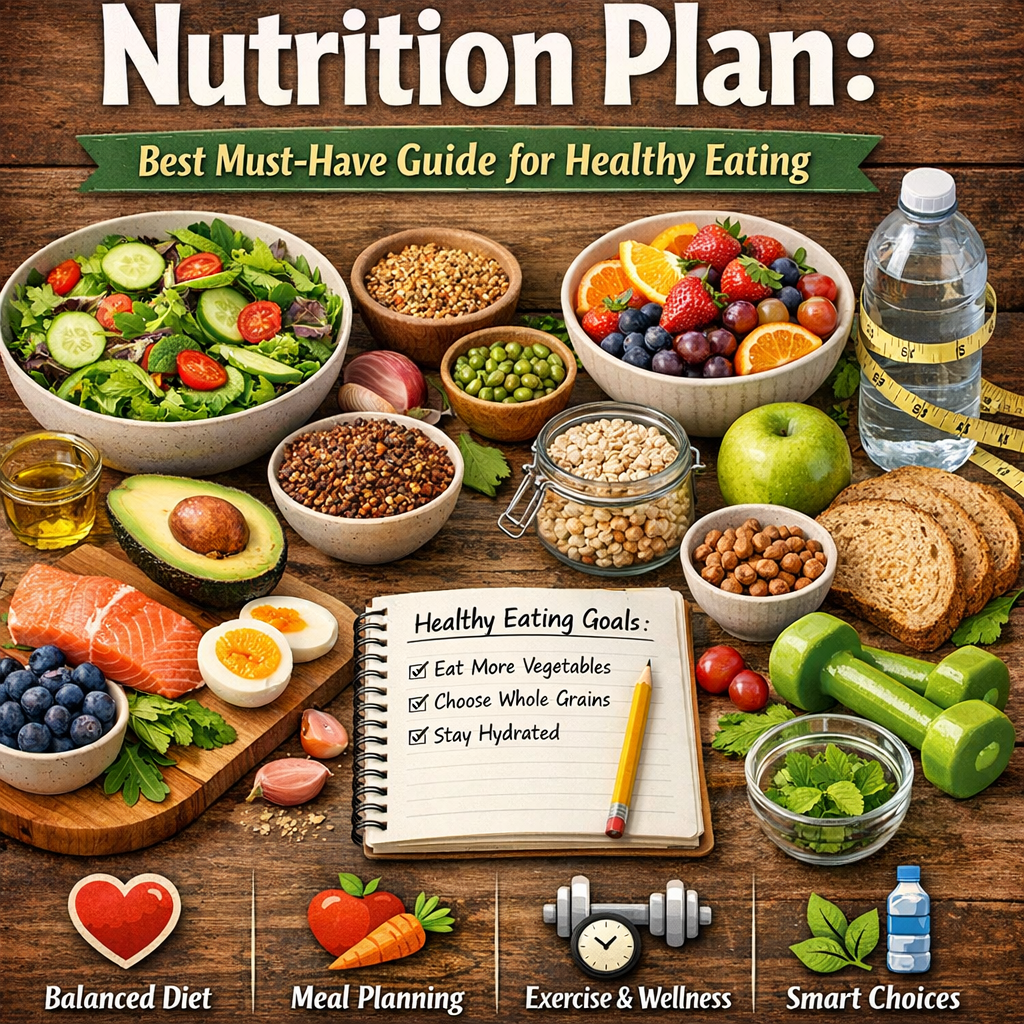
A nutrition plan is a structured approach to eating that helps you meet your health goals while giving your body the nutrients it needs. It is not just a list of foods to eat or avoid. It is a guide for building meals, planning portions, and creating a routine that supports long-term health.
A well-designed plan usually includes:
– A balance of carbohydrates, protein, and healthy fats
– Regular meal timing
– Enough fruits and vegetables
– Proper hydration
– Portion awareness
– Flexibility for different schedules and preferences
The best plans are sustainable. They do not rely on deprivation. Instead, they teach you how to make better choices consistently.
Why a Nutrition Plan Matters
Without a clear eating strategy, it is easy to fall into habits like skipping meals, overeating, relying on processed foods, or making impulsive choices when hungry. A thoughtful plan can help you stay on track and reduce the stress of deciding what to eat every day.
Some key benefits include:
– More stable energy levels
– Better concentration and mood
– Improved digestion
– Easier weight control
– Support for muscle growth and recovery
– Lower risk of nutrition-related health issues
Healthy eating is not only about appearance. It also affects how you feel, function, and age over time.
Key Elements of a Balanced Nutrition Plan
Creating a strong foundation starts with understanding the major components of healthy eating.
1. Prioritize Whole Foods
Whole foods are minimally processed and naturally rich in nutrients. These include:
– Vegetables
– Fruits
– Whole grains
– Lean proteins
– Eggs
– Beans and lentils
– Nuts and seeds
– Dairy or fortified alternatives
These foods provide vitamins, minerals, fiber, and lasting satisfaction.
2. Include Enough Protein
Protein supports muscle repair, immune health, and fullness. It should be part of most meals and snacks. Good protein sources include chicken, fish, tofu, Greek yogurt, cottage cheese, legumes, and eggs.
3. Choose Smart Carbohydrates
Carbohydrates are your body’s main energy source, but quality matters. Focus on options such as oats, brown rice, quinoa, sweet potatoes, beans, fruit, and whole grain bread instead of heavily refined choices.
4. Add Healthy Fats
Healthy fats help support brain function, hormone production, and absorption of certain vitamins. Avocados, olive oil, nuts, seeds, and fatty fish are excellent options.
5. Do Not Forget Fiber
Fiber supports digestion, helps control blood sugar, and keeps you full. Vegetables, fruits, legumes, and whole grains are some of the best sources.
How to Build a Nutrition Plan That Works for You
One of the biggest mistakes people make is trying to follow a plan that does not suit their routine or preferences. The most effective approach is personalized and realistic.
Set a Clear Goal
Start by asking what you want from your eating habits. Your goal might be:
– Losing weight in a healthy way
– Gaining muscle
– Improving heart health
– Managing blood sugar
– Increasing energy
– Supporting digestive health
Your goal will shape your meal choices, portions, and timing.
Plan Your Meals in Advance
Meal planning reduces guesswork and helps you avoid less healthy convenience options. You do not need to plan every detail, but having a simple structure helps.
For example, each meal can include:
– A protein source
– A fiber-rich carbohydrate
– Vegetables or fruit
– A healthy fat
This formula keeps meals balanced and satisfying.
Keep It Flexible
A rigid plan often leads to frustration. Life includes social events, travel, cravings, and busy days. Instead of aiming for perfection, aim for consistency. Healthy eating works best when it allows room for enjoyment and adjustment.
Sample Daily Nutrition Plan
Here is a simple example of how a balanced day of eating might look:
Breakfast:
Oatmeal topped with berries, chia seeds, and Greek yogurt
Mid-morning snack:
Apple slices with peanut butter
Lunch:
Grilled chicken, quinoa, mixed greens, cucumber, tomatoes, and olive oil dressing
Afternoon snack:
Carrot sticks with hummus
Dinner:
Baked salmon, roasted sweet potato, and steamed broccoli
Evening option if needed:
Plain yogurt with a few nuts or a piece of fruit
This type of routine offers protein, fiber, healthy fats, and a variety of nutrients without being overly complicated.
Common Mistakes to Avoid in a Nutrition Plan
Even with good intentions, some habits can make healthy eating harder than it needs to be.
Skipping Meals
Skipping meals may lead to low energy and overeating later. Regular meals help manage hunger and maintain focus.
Relying Too Much on Processed “Health” Foods
Some products marketed as healthy are high in sugar, sodium, or additives. Reading labels can help you make better choices.
Ignoring Portion Sizes
Even nutritious foods can become a problem in excessive amounts. Portion awareness is useful, especially with calorie-dense foods like oils, nuts, and packaged snacks.
Drinking Too Little Water
Hydration supports digestion, energy, and appetite regulation. Many people mistake thirst for hunger.
Expecting Instant Results
Healthy eating is a long-term investment. Small daily improvements are more powerful than short bursts of extreme dieting.
Nutrition Plan Tips for Long-Term Success
To make your habits easier to maintain, focus on simple and repeatable actions.
– Prep ingredients ahead of time
– Keep healthy snacks available
– Cook more meals at home
– Build a grocery list before shopping
– Eat mindfully without distractions
– Practice balance rather than restriction
– Track progress through energy, sleep, and overall well-being, not just the scale
It also helps to review your routine regularly. If something feels too hard to maintain, simplify it. A plan should support your life, not control it.
Final Thoughts
Healthy eating becomes much easier when you have a clear structure and realistic expectations. A strong approach is built on whole foods, balanced meals, consistency, and flexibility. Instead of searching for a quick fix, focus on habits you can repeat every day.
The right nutrition plan is one that supports your body, fits your schedule, and helps you feel your best. When you take small, practical steps and stay patient with the process, healthy eating becomes less of a challenge and more of a natural part of everyday life.