- Why Simple Nutrition Habits Matter
- Nutrition Guide Essentials for Everyday Health
- 1. Build Meals Around Whole Foods
- 2. Prioritize Protein at Every Meal
- 3. Do Not Fear Healthy Fats
- A Practical Nutrition Guide to Balanced Plates
- Smart Carbs Can Support Energy
- Hydration Is Part of Nutrition Too
- Make Healthy Eating Easier with Planning
- Stock the Basics
- Prep a Few Things Ahead
- Listen to Your Body, Not Just Diet Trends
- The 80/20 Approach for Sustainable Results
- Final Thoughts
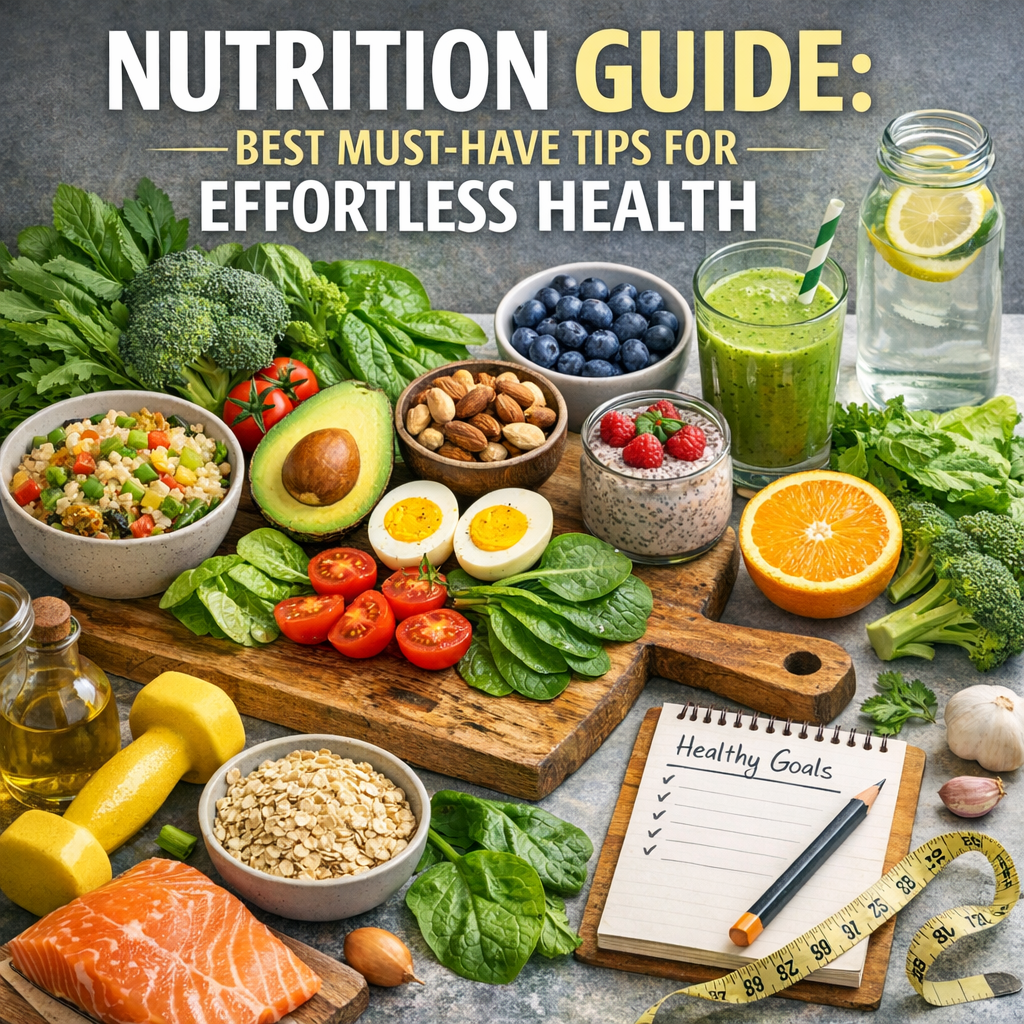
Nutrition Guide: Best Must-Have Tips for Effortless Health
Nutrition guide basics do not need to feel restrictive, confusing, or time-consuming. In fact, the most effective approach to eating well is often the simplest one: build steady habits that support energy, digestion, mood, and long-term health. Instead of chasing extreme diets or perfection, focus on practical choices you can maintain every day. When nutrition becomes easier to follow, healthy living feels less like a project and more like a natural part of your routine.
Why Simple Nutrition Habits Matter
Many people think healthy eating requires complicated meal plans, expensive ingredients, or giving up all their favorite foods. The truth is much more encouraging. Small, consistent improvements often make the biggest difference over time.
A balanced way of eating can help you:
– Maintain steady energy throughout the day
– Support a healthy weight
– Improve concentration and mood
– Strengthen immunity
– Promote better sleep and recovery
– Reduce the risk of long-term health issues
The goal is not to eat “perfectly.” The goal is to create a realistic pattern that works with your schedule, preferences, and lifestyle.
Nutrition Guide Essentials for Everyday Health
A strong foundation makes healthy eating much easier. Instead of overthinking each meal, focus on a few core essentials.
1. Build Meals Around Whole Foods
Whole foods are foods that are minimally processed and closer to their natural form. These include:
– Fruits
– Vegetables
– Whole grains
– Beans and lentils
– Nuts and seeds
– Eggs
– Fish
– Lean meats
– Dairy or fortified alternatives
These foods generally offer more vitamins, minerals, fiber, and protein than highly processed options. You do not have to avoid processed foods completely, but making whole foods the center of your meals can improve nutrition without extra effort.
2. Prioritize Protein at Every Meal
Protein plays a major role in muscle repair, fullness, blood sugar balance, and overall body function. Including a protein source in each meal can help reduce energy crashes and keep you satisfied longer.
Good protein options include:
– Greek yogurt
– Eggs
– Chicken or turkey
– Fish
– Tofu or tempeh
– Cottage cheese
– Lentils
– Beans
– Protein-rich smoothies
If you often feel hungry soon after eating, adding more protein may be one of the easiest improvements you can make.
3. Do Not Fear Healthy Fats
Healthy fats are essential for brain health, hormone production, and nutrient absorption. They also add flavor and satisfaction to meals.
Include sources such as:
– Avocados
– Olive oil
– Nuts
– Seeds
– Nut butters
– Fatty fish like salmon
The key is balance. Healthy fats are beneficial, especially when they replace heavily processed snacks or fried foods.
A Practical Nutrition Guide to Balanced Plates
One of the easiest ways to improve your eating habits is to think in terms of plate balance rather than strict calorie counting.
A simple balanced plate can look like this:
– Half the plate: vegetables and fruits
– One quarter: lean protein
– One quarter: whole grains or smart carbohydrates
– Add: a small portion of healthy fat
For example, a balanced lunch might include grilled chicken, brown rice, roasted vegetables, and a drizzle of olive oil. A vegetarian option could be lentils, quinoa, mixed greens, and sliced avocado.
This method is practical because it works for breakfast, lunch, and dinner without requiring complicated math.
Smart Carbs Can Support Energy
Carbohydrates often get unfairly blamed, but they are the body’s preferred energy source. The trick is choosing quality carbohydrates more often.
Helpful options include:
– Oats
– Brown rice
– Sweet potatoes
– Whole grain bread
– Quinoa
– Beans
– Fruit
These foods provide fiber and longer-lasting energy compared with sugary snacks or refined baked goods. If you find yourself tired in the afternoon, upgrading your carb choices may help more than cutting carbs entirely.
Hydration Is Part of Nutrition Too
Food gets most of the attention, but hydration is just as important. Even mild dehydration can affect focus, mood, physical performance, and appetite signals.
To stay hydrated:
– Keep a water bottle nearby
– Drink water with meals
– Add lemon, cucumber, or mint for flavor
– Eat water-rich foods like cucumbers, oranges, and watermelon
– Limit sugary drinks when possible
Many people mistake thirst for hunger. Drinking enough water throughout the day can help you feel better and make wiser food choices.
Make Healthy Eating Easier with Planning
Effortless health often comes from preparation, not willpower. When nutritious foods are easy to reach, better decisions happen naturally.
Try these simple planning habits:
Stock the Basics
Keep your kitchen filled with versatile staples such as:
– Frozen vegetables
– Eggs
– Oats
– Rice or quinoa
– Canned beans
– Greek yogurt
– Nuts and seeds
– Fresh fruit
– Whole grain wraps
These ingredients can be turned into quick, balanced meals without much effort.
Prep a Few Things Ahead
You do not need to spend hours meal prepping. Even 20 to 30 minutes of preparation can help.
Ideas include:
– Washing and chopping vegetables
– Cooking grains in advance
– Boiling eggs
– Portioning snacks
– Marinating protein
– Making overnight oats
Small prep tasks save time during busy weekdays and reduce the temptation to order less nutritious options.
Listen to Your Body, Not Just Diet Trends
One of the most underrated health habits is learning to notice how food makes you feel. Some meals leave you energized and satisfied, while others may lead to bloating, sluggishness, or cravings.
Pay attention to:
– Hunger and fullness cues
– Energy after meals
– Digestion
– Mood changes
– Sleep quality
This awareness helps you build a more personal and sustainable eating style. Trends come and go, but understanding your own body creates long-term success.
The 80/20 Approach for Sustainable Results
Healthy eating should include flexibility. If every meal feels rigid, it becomes difficult to maintain. A helpful rule is the 80/20 approach: aim to make nourishing choices most of the time, while leaving room for enjoyment.
That means you can still have dessert, enjoy restaurant meals, or celebrate special occasions without guilt. Consistency matters more than occasional indulgence. A relaxed, realistic mindset often leads to better outcomes than extreme restriction.
Final Thoughts
A practical approach to food is often the most powerful one. Focus on whole foods, balanced meals, hydration, and simple planning. Add protein, choose smart carbohydrates, include healthy fats, and give yourself room to be flexible. These habits may seem basic, but together they create a strong foundation for feeling better every day.
When healthy eating becomes manageable, it becomes sustainable. And when it becomes sustainable, it supports effortless health in the best possible way.