- Why Metabolism Foods Matter
- Best Metabolism Foods to Add to Your Diet
- 1. Eggs
- 2. Greek Yogurt
- 3. Oats
- 4. Lean Protein Sources
- 5. Chili Peppers
- 6. Green Tea and Coffee
- 7. Legumes
- 8. Nuts and Seeds
- 9. Leafy Greens
- 10. Berries
- How to Build Meals Around Metabolism Foods
- Lifestyle Habits That Help Metabolism Foods Work Better
- Strength Training
- Sleep
- Hydration
- Regular Meals
- Final Thoughts
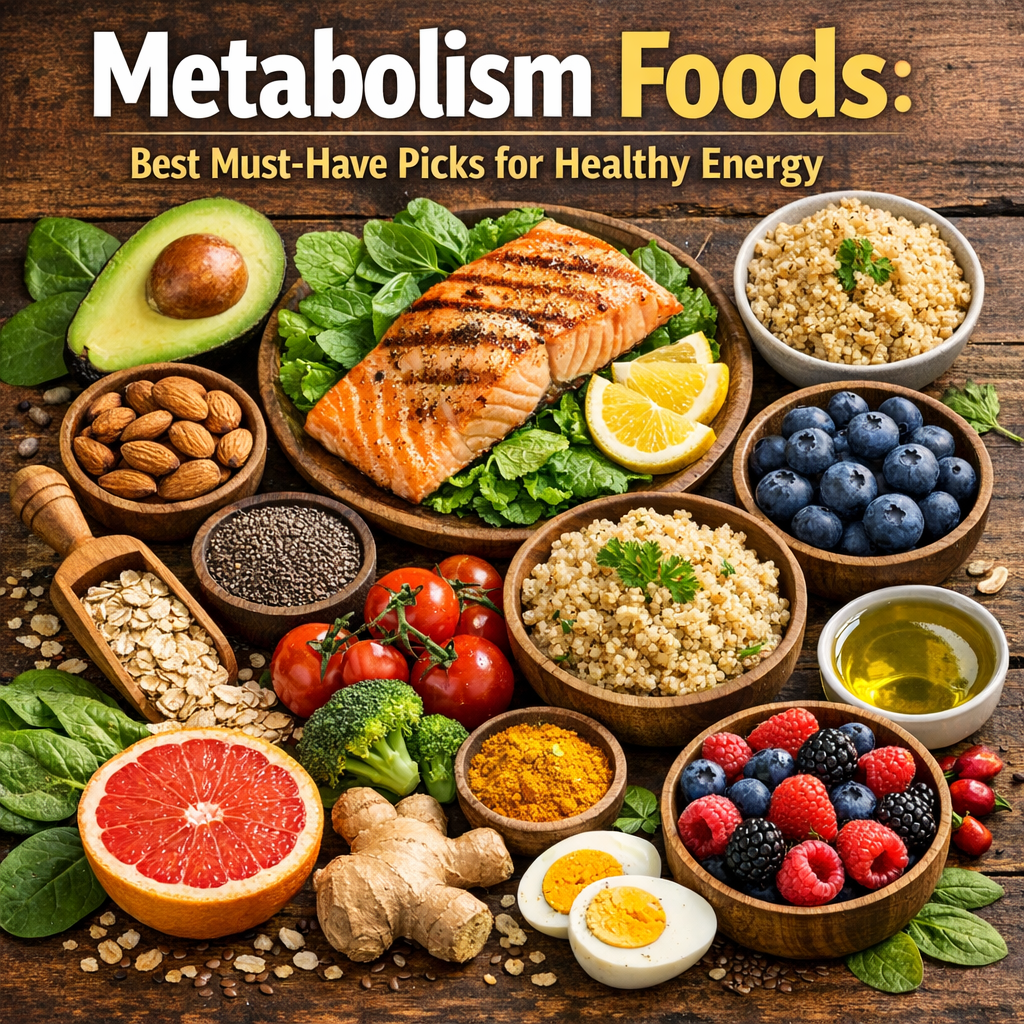
Metabolism Foods: Best Must-Have Picks for Healthy Energy
Metabolism foods can play a powerful role in how energized, balanced, and satisfied you feel throughout the day. While no single ingredient can magically “boost” your body into overdrive, certain foods support the natural processes that help convert nutrients into usable energy. Choosing the right mix of protein, fiber, healthy fats, and key vitamins can help you maintain steady energy, support muscle health, and avoid the crashes that often come with overly processed meals.
A healthy metabolism is not just about burning calories. It is also about how efficiently your body turns food into fuel, repairs cells, regulates hormones, and supports everyday functions like breathing, digestion, and circulation. That is why the best approach is not chasing quick fixes, but building meals around nutrient-dense foods that work with your body.
Why Metabolism Foods Matter
Your metabolism is influenced by many factors, including age, activity level, sleep, genetics, and muscle mass. Food is just one piece of the picture, but it is an important one. The right foods can help by:
– Supporting steady blood sugar levels
– Providing long-lasting energy
– Preserving lean muscle mass
– Improving fullness and reducing overeating
– Supplying nutrients needed for energy production
Some foods require more energy to digest, especially protein-rich options. Others help support hormone balance or deliver important minerals such as magnesium, iron, and zinc, which are involved in energy metabolism. Instead of looking for miracle foods, focus on building a consistent pattern of smart choices.
Best Metabolism Foods to Add to Your Diet
1. Eggs
Eggs are one of the most practical and nutritious foods for supporting energy. They are rich in high-quality protein, which helps keep you full and supports muscle maintenance. Since muscle tissue burns more energy than fat tissue at rest, preserving muscle mass is important for metabolic health.
Eggs also contain B vitamins, which help your body convert food into energy. They are easy to prepare and can be included in breakfast, lunch, or dinner.
2. Greek Yogurt
Greek yogurt is packed with protein and often contains probiotics that support gut health. A healthy gut can positively influence digestion, nutrient absorption, and overall wellness. Protein also has a higher thermic effect than carbohydrates or fats, meaning your body uses more energy to digest it.
Choose plain Greek yogurt when possible and add fruit, chia seeds, or nuts for more fiber and healthy fats.
3. Oats
Oats are an excellent source of complex carbohydrates and soluble fiber. Unlike sugary breakfast foods that can spike energy and then quickly drop it, oats release energy more gradually. This helps you stay fueled for longer and may reduce cravings later in the day.
Oats also contain iron, magnesium, and B vitamins, all of which support energy production. For an even better meal, pair oats with protein such as milk, yogurt, or nut butter.
4. Lean Protein Sources
Chicken breast, turkey, fish, tofu, tempeh, and beans are all valuable additions to a metabolism-supportive diet. Protein is essential for tissue repair, immune function, and muscle maintenance. It also helps promote fullness, which can make healthy eating easier over time.
Fatty fish such as salmon and sardines offer an extra advantage because they provide omega-3 fats, which may support heart health and reduce inflammation.
5. Chili Peppers
Chili peppers contain capsaicin, a compound that may slightly increase calorie burning for a short time. While the effect is modest, spicy foods can still be a fun and flavorful addition to meals. More importantly, peppers are low in calories and high in antioxidants, making them a smart ingredient in a balanced diet.
If you enjoy spicy foods, try adding fresh chili, cayenne, or red pepper flakes to soups, eggs, stir-fries, or roasted vegetables.
6. Green Tea and Coffee
Both green tea and coffee contain caffeine, which can temporarily increase alertness and energy expenditure. Green tea also contains catechins, antioxidants that may support metabolic health. These drinks can be helpful when consumed in moderation, especially as a replacement for sugary beverages.
However, balance matters. Too much caffeine can interfere with sleep, and poor sleep can negatively affect metabolism. The goal is steady energy, not overstimulation.
7. Legumes
Beans, lentils, and chickpeas are among the most underrated metabolism foods. They are rich in plant protein, fiber, and complex carbohydrates. This combination supports fullness, digestion, and stable energy levels.
Legumes are also budget-friendly and versatile. Add them to salads, soups, grain bowls, or pasta dishes for a satisfying and nutrient-dense meal.
8. Nuts and Seeds
Almonds, walnuts, pumpkin seeds, flaxseeds, and chia seeds provide healthy fats, protein, and fiber. They also contain important minerals like magnesium, which plays a role in hundreds of biochemical reactions, including energy production.
Because nuts and seeds are calorie-dense, portion awareness helps. A small handful or a tablespoon added to meals can go a long way.
9. Leafy Greens
Spinach, kale, arugula, and Swiss chard are full of nutrients that support overall health. Many leafy greens are good sources of iron, folate, and magnesium. Iron is especially important because low iron levels can contribute to fatigue.
Leafy greens are easy to include in smoothies, omelets, soups, wraps, and grain bowls.
10. Berries
Berries offer natural sweetness along with fiber and antioxidants. Their fiber content helps slow digestion and support more stable blood sugar levels compared to many heavily processed snacks. Blueberries, raspberries, strawberries, and blackberries all make great choices.
They pair well with yogurt, oatmeal, or cottage cheese for an energizing snack.
How to Build Meals Around Metabolism Foods
Including these foods in your diet is most effective when you combine them thoughtfully. A balanced plate usually includes:
– Protein: eggs, fish, yogurt, tofu, beans
– Fiber-rich carbs: oats, fruit, legumes, whole grains
– Healthy fats: nuts, seeds, avocado, olive oil
– Micronutrient-rich produce: leafy greens, peppers, berries
For example:
– Oatmeal with Greek yogurt, berries, and chia seeds
– Scrambled eggs with spinach and whole-grain toast
– Salmon with quinoa and roasted vegetables
– Lentil soup with a side salad and pumpkin seeds
These kinds of meals help deliver steady energy rather than quick spikes and crashes.
Lifestyle Habits That Help Metabolism Foods Work Better
Even the best diet works best when it is supported by healthy habits. To get the most from your food choices, also pay attention to:
Strength Training
Building and maintaining muscle supports your resting energy use. Resistance training a few times per week can make a meaningful difference.
Sleep
Poor sleep can disrupt appetite hormones and energy regulation. Aim for consistent, quality sleep whenever possible.
Hydration
Even mild dehydration can leave you feeling tired and sluggish. Water is essential for many metabolic processes.
Regular Meals
Skipping meals too often can lead to low energy and overeating later. Balanced meals at regular times help support consistency.
Final Thoughts
Choosing metabolism foods is really about choosing foods that nourish your body well. Protein-rich staples, fiber-filled carbs, healthy fats, and colorful produce all work together to support healthy energy and overall wellness. Instead of relying on trends or extreme diets, focus on practical meals you can enjoy consistently.
Over time, small habits matter most. A breakfast with protein, a lunch packed with vegetables, a snack with fiber and healthy fat, and enough water throughout the day can do far more for your energy than any short-term trick. When you build your routine around nutrient-dense foods, you create a stronger foundation for feeling good every day.