- Why Meal Planning Matters
- The Core Benefits of Meal Planning
- 1. Better Nutrition
- 2. More Time During the Week
- 3. Lower Grocery Costs
- 4. Less Stress
- How to Start Meal Planning Successfully
- Step 1: Check Your Schedule
- Step 2: Choose Simple, Balanced Meals
- Step 3: Build a Grocery List
- Step 4: Prep in Advance
- Meal Planning for Different Lifestyles
- For Busy Professionals
- For Families
- For Weight Management
- For Budget-Conscious Households
- Smart Meal Planning Tips That Actually Work
- Common Meal Planning Mistakes to Avoid
- Overplanning
- Choosing Complicated Recipes
- Ignoring Your Preferences
- Not Using What You Already Have
- Forgetting Snacks and Breakfast
- A Simple Weekly Meal Planning Example
- Make Meal Planning a Lasting Habit
- Final Thoughts
Meal Planning: Best Must-Have Guide for Healthy Food
Meal planning is one of the simplest ways to make healthy eating easier, less stressful, and more affordable. Instead of deciding what to eat at the last minute, you create a clear plan for your meals in advance. This small habit can help you save time, reduce food waste, avoid unhealthy takeout, and stay consistent with your nutrition goals. Whether you are cooking for yourself, your family, or a busy household, having a system in place can completely change the way you approach food.
Why Meal Planning Matters
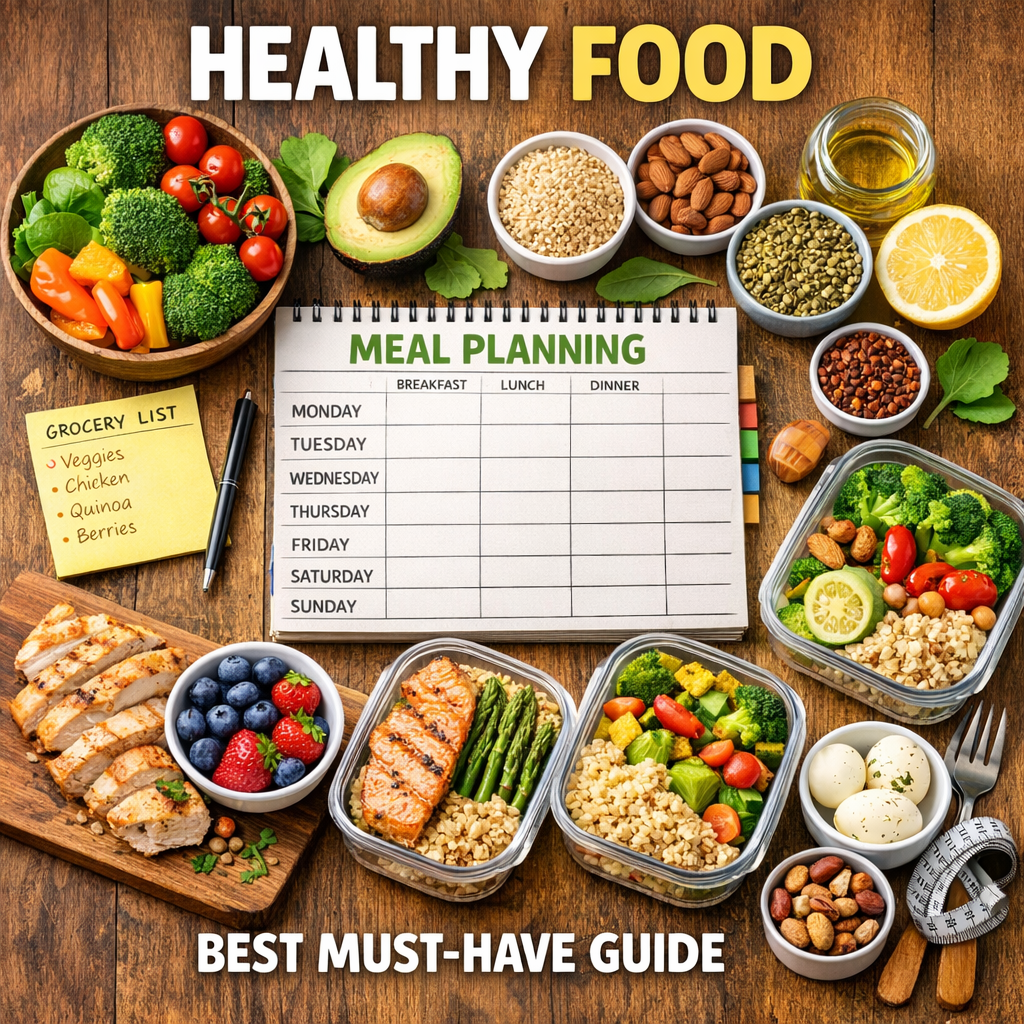
Healthy eating often fails not because people lack motivation, but because they lack preparation. When life gets busy, convenience usually wins. That is why planning ahead matters so much.
With a good system, you can:
– Make better food choices
– Save money on groceries
– Reduce daily decision fatigue
– Use ingredients more efficiently
– Stay on track with health goals
– Cut down on food waste
A clear weekly plan also gives structure to your routine. Instead of asking “What’s for dinner?” every day, you already know the answer. This can make mealtimes calmer and more enjoyable.
The Core Benefits of Meal Planning
1. Better Nutrition
When you map out meals in advance, you are more likely to include balanced ingredients such as lean proteins, whole grains, healthy fats, fruits, and vegetables. Planning helps you avoid random meals that may be high in sugar, sodium, or unhealthy fats.
2. More Time During the Week
Cooking without a plan often means multiple grocery trips, last-minute preparation, and wasted time. When meals are organized ahead of time, shopping becomes faster and cooking becomes more efficient.
3. Lower Grocery Costs
Impulse purchases can quickly raise your food bill. A shopping list based on a weekly plan helps you buy only what you need. You are also more likely to use ingredients across multiple meals, which stretches your budget.
4. Less Stress
One of the biggest advantages of this habit is mental relief. Planning removes uncertainty and reduces the pressure of making food decisions every day.
How to Start Meal Planning Successfully
Getting started does not need to be complicated. In fact, the best approach is often the simplest one.
Step 1: Check Your Schedule
Before choosing meals, look at your week. Ask yourself:
– Which days are busiest?
– When will I have time to cook?
– Do I need quick meals or make-ahead options?
– Are there any social events or leftovers to account for?
Your meals should fit your real lifestyle, not an ideal version of it.
Step 2: Choose Simple, Balanced Meals
Pick a mix of easy recipes and familiar favorites. Aim for meals that include:
– A protein source: chicken, fish, beans, eggs, tofu, Greek yogurt
– Fiber-rich carbs: brown rice, oats, whole grain pasta, quinoa, potatoes
– Healthy fats: avocado, nuts, seeds, olive oil
– Fruits and vegetables: fresh, frozen, or canned with no added sugar
Start with 3 to 5 dinner ideas for the week. You do not need to plan every single bite if that feels overwhelming.
Step 3: Build a Grocery List
Once you know your meals, write down everything you need. Group items by category, such as:
– Produce
– Protein
– Dairy or alternatives
– Pantry items
– Frozen foods
– Snacks
This makes shopping faster and reduces the chances of forgetting key ingredients.
Step 4: Prep in Advance
A little prep can make a huge difference. Try washing vegetables, cooking grains, chopping ingredients, or preparing sauces ahead of time. Even 30 minutes of prep can save hours during the week.
Meal Planning for Different Lifestyles
There is no one-size-fits-all method. The best system is the one you can maintain consistently.
For Busy Professionals
Focus on meals that are quick to cook or easy to reheat. Sheet pan dinners, grain bowls, overnight oats, and soups are excellent choices. Batch-cooking on weekends can also help.
For Families
Plan meals that are flexible and easy to customize. Tacos, pasta dishes, rice bowls, and homemade wraps work well because everyone can adjust toppings and portions.
For Weight Management
Use planning to control portion sizes and improve meal quality. Include high-protein foods, fiber, and satisfying snacks to avoid overeating later in the day.
For Budget-Conscious Households
Choose affordable staples like beans, rice, eggs, oats, potatoes, lentils, and seasonal produce. Reusing ingredients in multiple meals also helps keep costs low.
Smart Meal Planning Tips That Actually Work
To make your routine sustainable, keep these practical tips in mind:
– Repeat meals when needed. You do not need seven brand-new dinners every week.
– Use theme nights. Try ideas like Meatless Monday, Taco Tuesday, or Stir-Fry Friday.
– Plan for leftovers. Cook extra portions intentionally for lunch or another dinner.
– Keep backup meals ready. Frozen vegetables, canned beans, eggs, and pasta can save the day.
– Start small. Planning just dinners is a great first step.
– Stay flexible. If plans change, move meals around instead of giving up.
Consistency matters more than perfection.
Common Meal Planning Mistakes to Avoid
Even a great plan can become frustrating if it is unrealistic. Here are some common mistakes:
Overplanning
Trying to organize every meal and snack for the entire week can feel exhausting. Keep it simple at first.
Choosing Complicated Recipes
If every meal requires many steps and ingredients, you may lose motivation. Mix in easy options.
Ignoring Your Preferences
Healthy food should still be enjoyable. If you dislike a recipe, you will not stick with it.
Not Using What You Already Have
Check your fridge, freezer, and pantry before shopping. This prevents waste and saves money.
Forgetting Snacks and Breakfast
These smaller meals matter too. Having healthy options ready can prevent impulsive choices later.
A Simple Weekly Meal Planning Example
Here is a basic example of what a healthy week might look like:
– Monday: Grilled chicken, roasted vegetables, brown rice
– Tuesday: Turkey tacos with lettuce, salsa, and black beans
– Wednesday: Vegetable stir-fry with tofu and quinoa
– Thursday: Baked salmon, sweet potato, steamed broccoli
– Friday: Whole grain pasta with tomato sauce and a side salad
– Saturday: Homemade wraps with lean protein and fresh veggies
– Sunday: Soup or chili with leftovers for Monday lunch
Breakfasts could include oatmeal, eggs, yogurt, or smoothies. Snacks might include fruit, nuts, hummus, or cottage cheese.
Make Meal Planning a Lasting Habit
The key to making this work long term is to treat it as a helpful routine, not a strict rule. Review what worked each week and adjust what did not. Maybe you need more quick meals. Maybe you bought too much produce. Maybe you loved having lunches prepared in advance. Use those lessons to improve your next plan.
Over time, the process becomes easier and faster. You begin to understand your shopping habits, your favorite meals, and the foods that make you feel your best.
Final Thoughts
Healthy eating does not have to be complicated. With a little preparation, you can create a routine that supports your schedule, budget, and wellness goals. A thoughtful approach to meal planning helps you eat better, waste less, and feel more in control of your day-to-day choices. Start small, stay flexible, and build a system that works for your real life. That is where lasting results begin.