- Why Low Calorie Foods Matter
- Best Low Calorie Foods to Keep on Hand
- 1. Leafy Greens
- 2. Cucumbers and Zucchini
- 3. Berries
- 4. Greek Yogurt
- 5. Eggs
- 6. Broth-Based Soups
- 7. Lean Proteins
- 8. Air-Popped Popcorn
- How to Build Meals Around Low Calorie Foods
- Smart Snack Ideas Using Low Calorie Foods
- Common Mistakes to Avoid
- Low Calorie Foods for Everyday Effortless Eating
Low Calorie Foods: Best Must-Have Choices for Effortless Eating
Low calorie foods can make healthy eating feel simple, satisfying, and much easier to stick with over time. Instead of focusing on strict rules or tiny portions, the smarter approach is to build meals around foods that give you volume, nutrients, and flavor without piling on excess calories. When your kitchen is stocked with the right options, eating well becomes less of a struggle and more of an everyday habit.
Why Low Calorie Foods Matter
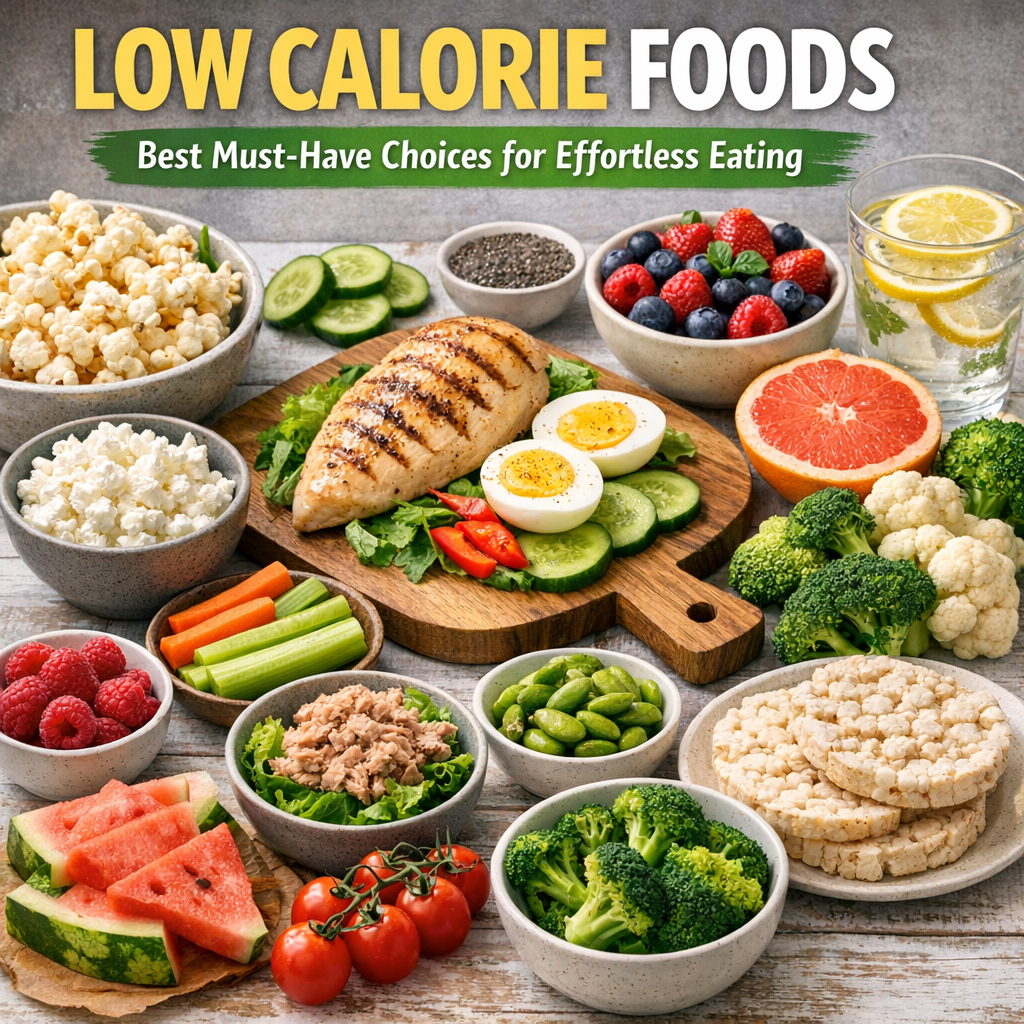
Choosing foods that are lower in calories does not mean giving up taste or fullness. In fact, many of the most filling foods are naturally low in calories because they contain high amounts of water, fiber, or lean protein. These qualities help you feel satisfied while still supporting goals like weight management, better energy, and balanced nutrition.
Another benefit is flexibility. You do not need to count every bite when your plate is built around lighter, nutrient-dense ingredients. A bowl full of vegetables, a serving of lean protein, and a piece of fruit can leave you feeling far more satisfied than a small amount of highly processed food.
Best Low Calorie Foods to Keep on Hand
Some foods deserve a permanent spot in your grocery routine because they are easy to use, affordable, and versatile. Here are some of the best choices.
1. Leafy Greens
Spinach, romaine, arugula, kale, and lettuce are classic staples for a reason. They are very low in calories and rich in vitamins, minerals, and fiber. You can use them in salads, wraps, smoothies, soups, or as a base for grain bowls.
Leafy greens are also ideal for increasing meal size without adding many calories. A large salad can be both filling and refreshing when paired with protein and a flavorful dressing.
2. Cucumbers and Zucchini
These water-rich vegetables are excellent for effortless eating. Cucumbers work well as snacks, salad additions, or crunchy sides. Zucchini can be sautéed, grilled, roasted, or spiralized into noodles for a lighter pasta alternative.
Their mild flavor makes them easy to pair with herbs, lemon, yogurt sauces, or spices.
3. Berries
Strawberries, blueberries, raspberries, and blackberries are sweet, satisfying, and relatively low in calories compared with many desserts or packaged snacks. They also provide antioxidants and fiber, which help support digestion and overall health.
A bowl of berries can work as breakfast, a snack, or a naturally sweet finish to a meal.
4. Greek Yogurt
Plain nonfat or low-fat Greek yogurt is a great high-protein option that fits well into a lighter eating pattern. It can be enjoyed with fruit, used in smoothies, turned into a savory dip, or swapped in for higher-calorie creamy ingredients.
Because it is rich in protein, it helps support fullness for longer than many low-calorie snack foods.
5. Eggs
Eggs are nutrient-dense, convenient, and satisfying. While they are not the lowest-calorie food on the list, they offer excellent value because of their protein content and versatility. Hard-boiled eggs make quick snacks, while scrambled eggs with vegetables create a filling breakfast with moderate calories.
6. Broth-Based Soups
Vegetable soup, chicken broth soup, or miso-based options are smart picks when you want comfort without heaviness. Foods with high water content often help you feel full, and soups are a good example of that.
Just be mindful of sodium levels in store-bought versions and look for options with plenty of vegetables and lean protein.
7. Lean Proteins
Chicken breast, turkey, white fish, shrimp, tofu, and legumes can all fit into a low-calorie eating plan. Protein is essential because it helps preserve muscle, supports metabolism, and increases satiety.
Pairing lean protein with vegetables is one of the easiest ways to create meals that feel substantial without becoming overly calorie-dense.
8. Air-Popped Popcorn
When prepared without excessive butter or sugar, popcorn is a surprisingly smart snack. It is whole grain, light, and offers a lot of volume for relatively few calories. This makes it ideal for people who like to snack on something crunchy.
How to Build Meals Around Low Calorie Foods
The easiest way to eat lighter without feeling deprived is to think in layers. Start with high-volume foods, then add protein, healthy fats, and flavor.
A simple structure might look like this:
– Half the plate: non-starchy vegetables
– One quarter: lean protein
– One quarter: whole grains, beans, or starchy vegetables
– A small amount: healthy fats like avocado, olive oil, nuts, or seeds
This method helps meals feel balanced rather than restrictive. For example, grilled chicken with roasted broccoli and brown rice is satisfying because it combines protein, fiber, and texture. A salad with greens, chickpeas, cucumbers, tomatoes, and yogurt dressing also delivers plenty of flavor without feeling heavy.
Smart Snack Ideas Using Low Calorie Foods
Snacking can either support your goals or quietly work against them. The difference often comes down to what you keep nearby. Good snack choices are easy, filling, and minimally processed.
Here are a few practical ideas:
– Sliced cucumbers with hummus
– Greek yogurt with berries
– Apple slices with a small amount of peanut butter
– Hard-boiled eggs
– Air-popped popcorn
– Baby carrots with salsa or light dip
– Cottage cheese with cherry tomatoes
These snacks offer better staying power than sugary bars or chips because they include protein, fiber, or both.
Common Mistakes to Avoid
Eating low calorie does not mean eating too little. One common mistake is relying only on foods that are low in calories but not satisfying, such as plain rice cakes or small portions of fruit without any protein. This can lead to hunger, cravings, and overeating later.
Another mistake is assuming all “light” or “diet” products are good options. Some highly processed foods may be lower in calories but less filling and less nutritious. Whole foods usually do a better job of keeping you satisfied.
It is also important not to fear healthy fats entirely. Small portions of nuts, seeds, olive oil, and avocado can improve taste and satiety, making healthy eating easier to maintain.
Low Calorie Foods for Everyday Effortless Eating
The best eating plan is one that feels realistic on busy weekdays, relaxed weekends, and everything in between. That is where low calorie foods truly shine. They make it easier to prepare quick meals, control portions naturally, and enjoy food without constant stress.
Start simple. Keep leafy greens, berries, yogurt, eggs, soup, and a few lean proteins in your home. Add vegetables generously to meals. Choose snacks with volume and nutrition. Over time, these small habits create a way of eating that feels balanced rather than forced.
When your meals are built around smart, satisfying basics, healthy choices stop feeling complicated. They become the easiest choices in the room.