- Why Healthy Vegetables Deserve a Daily Spot on Your Plate
- Healthy Vegetables to Always Keep at Home
- 1. Spinach
- 2. Broccoli
- 3. Carrots
- 4. Bell Peppers
- 5. Cauliflower
- 6. Sweet Potatoes
- 7. Green Beans
- 8. Tomatoes
- 9. Zucchini
- 10. Frozen Mixed Vegetables
- How to Make Healthy Vegetables Easier to Eat
- Best Cooking Methods for Maximum Flavor
- A Simple Approach to Effortless Nutrition
Healthy Vegetables: Best Must-Have List for Effortless Nutrition
Healthy vegetables are one of the simplest ways to improve your diet without making eating feel complicated. They deliver vitamins, minerals, fiber, antioxidants, and hydration in a form that can fit into almost any meal. Whether you want better energy, easier weight management, stronger immunity, or just more balance on your plate, keeping a smart selection of vegetables on hand makes good nutrition much easier to maintain.
The best part is that you do not need a perfect meal plan or advanced cooking skills to benefit from them. A few reliable options in your fridge, freezer, or pantry can help you create quick salads, stir-fries, soups, roasted side dishes, and satisfying snacks with minimal effort.
Why Healthy Vegetables Deserve a Daily Spot on Your Plate
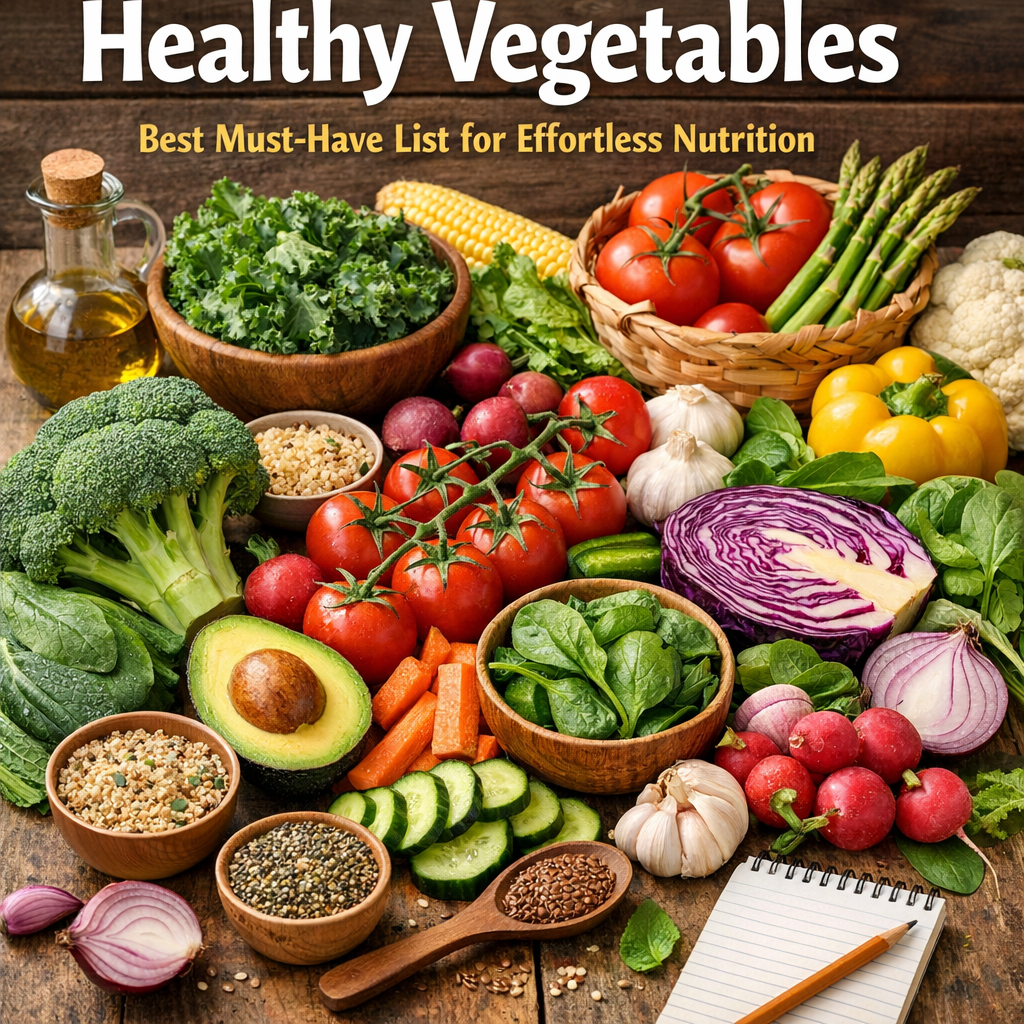
Vegetables offer a wide range of nutrients that support overall health. Leafy greens are rich in folate and vitamin K, orange vegetables often provide beta-carotene, and cruciferous vegetables bring powerful plant compounds linked to long-term wellness. Many are naturally low in calories while still helping you feel full thanks to their fiber and water content.
Adding more vegetables to your routine can help:
– Support digestion with fiber
– Improve heart health
– Help regulate blood sugar
– Contribute to healthy skin and immune function
– Make meals more filling without being overly heavy
Because different vegetables provide different benefits, variety matters. Instead of relying on just one favorite, it helps to build a flexible list of go-to choices.
Healthy Vegetables to Always Keep at Home
If effortless nutrition is the goal, focus on vegetables that are versatile, easy to prepare, and useful in multiple types of meals. Here are some of the best must-have options.
1. Spinach
Spinach is one of the most convenient vegetables you can buy. It works in salads, omelets, smoothies, soups, pasta, and grain bowls. It cooks down quickly, making it easy to add a nutritional boost to meals without much planning.
Why it stands out:
– High in iron, folate, and vitamin K
– Mild flavor that blends well with many dishes
– Available fresh and frozen
2. Broccoli
Broccoli is a classic for a reason. It is filling, nutrient-dense, and easy to roast, steam, or stir-fry. It also pairs well with garlic, lemon, cheese, grains, chicken, tofu, and pasta.
Why it stands out:
– Rich in fiber, vitamin C, and antioxidants
– Easy to cook in large batches
– Great as a side dish or meal base
3. Carrots
Carrots are affordable, long-lasting, and incredibly versatile. You can eat them raw, roast them for sweetness, shred them into salads, or add them to soups and stews.
Why they stand out:
– Excellent source of beta-carotene
– Convenient for snacks and lunch boxes
– Store well for days or even weeks
4. Bell Peppers
Bell peppers add color, crunch, and natural sweetness to meals. They are just as useful raw as they are cooked, which makes them one of the most practical vegetables to have around.
Why they stand out:
– High in vitamin C
– Great in salads, fajitas, sandwiches, and stir-fries
– Available in multiple colors and flavors
5. Cauliflower
Cauliflower has become a favorite for flexible cooking. It can be roasted, mashed, added to curries, blended into soups, or turned into rice-like pieces for lighter meals.
Why it stands out:
– Mild taste and adaptable texture
– Works well in low-carb and balanced diets
– Easy to pair with bold seasonings
6. Sweet Potatoes
Although often grouped with starchy vegetables, sweet potatoes deserve a place on any must-have list. They are filling, nutritious, and easy to bake, roast, or mash.
Why they stand out:
– Rich in fiber and vitamin A
– Naturally sweet and satisfying
– Ideal for meal prep
7. Green Beans
Green beans are quick to cook and pair with almost any main dish. They can be steamed, sautéed, roasted, or tossed into casseroles and bowls.
Why they stand out:
– Light, crisp, and easy to season
– Good source of fiber and vitamins
– Available fresh and frozen
8. Tomatoes
Tomatoes add freshness and brightness to meals. Technically a fruit, they are often used like vegetables in cooking, and they deserve a regular place in a healthy kitchen.
Why they stand out:
– Contain lycopene and vitamin C
– Work in salads, sauces, sandwiches, and soups
– Can be used fresh or canned
9. Zucchini
Zucchini is perfect for quick meals because it cooks fast and absorbs flavor well. It can be grilled, sautéed, baked, or spiralized into noodle-like strands.
Why it stands out:
– Low in calories and high in water
– Useful in both savory dishes and baked goods
– Great for simple weeknight cooking
10. Frozen Mixed Vegetables
Fresh produce is wonderful, but frozen vegetables are a practical backup that supports consistency. A bag of mixed vegetables can save dinner when time is short.
Why they stand out:
– Budget-friendly and convenient
– Long shelf life
– Usually frozen at peak freshness
How to Make Healthy Vegetables Easier to Eat
Buying vegetables is only the first step. The real trick is making them easy to use before they spoil. A little preparation goes a long way.
Try these simple habits:
– Wash and chop vegetables soon after shopping
– Roast a tray of mixed vegetables for the week
– Keep raw snack options visible in the fridge
– Use frozen vegetables for busy nights
– Add a vegetable to every lunch and dinner
– Blend extra greens into sauces, soups, or smoothies
You do not need to eat elaborate salads every day. Even small additions, such as spinach in eggs, peppers in wraps, or broccoli with pasta, can make a big difference over time.
Best Cooking Methods for Maximum Flavor
One reason people struggle to eat more vegetables is bland preparation. The key is to use cooking methods that bring out their best texture and flavor.
Some easy wins include:
– Roasting: Adds caramelization and deeper flavor
– Sautéing: Fast and ideal for greens, peppers, and zucchini
– Steaming: Preserves texture for broccoli, beans, and carrots
– Grilling: Great for zucchini, peppers, and onions
– Raw preparations: Perfect for salads, slaws, and snacks
Do not forget seasoning. Olive oil, garlic, lemon juice, black pepper, chili flakes, herbs, and a little parmesan can transform simple vegetables into something you actually crave.
A Simple Approach to Effortless Nutrition
Eating well does not require perfection. It often starts with keeping dependable basics nearby and using them often. When your kitchen is stocked with a thoughtful mix of fresh, frozen, and long-lasting produce, building balanced meals becomes much more natural.
The most useful strategy is to choose vegetables that fit your routine, taste preferences, and cooking style. If you love quick stir-fries, keep broccoli, peppers, and carrots. If you prefer sheet-pan dinners, stock up on cauliflower, sweet potatoes, and green beans. If convenience matters most, frozen blends and pre-washed greens can be game changers.
With the right staples, nourishing yourself can feel less like a chore and more like an easy daily habit. Healthy eating becomes much more realistic when the foundation is simple, flexible, and already waiting in your kitchen.