- Why the Body Needs Fat
- Types of Fats: What to Know
- Unsaturated Fats
- Saturated Fats
- Trans Fats
- Best Foods Rich in Healthy Fats
- Avocados
- Fatty Fish
- Nuts
- Seeds
- Olive Oil
- Nut Butters
- Eggs
- How Healthy Fats Support Effortless Wellness
- Easy Ways to Add Healthy Fats to Daily Meals
- Portion Awareness Matters
- Common Mistakes to Avoid
- Final Thoughts
Healthy Fats: Must-Have Best Foods for Effortless Wellness
Healthy fats are essential for a strong, balanced body, yet they are often misunderstood. For years, all fats were unfairly treated as something to avoid, but nutrition science has made one thing clear: the right kinds of fat can support heart health, brain function, hormone production, energy levels, and even glowing skin. Instead of fearing fat, it makes more sense to learn which sources nourish the body and how to include them in everyday meals without overthinking it.
Why the Body Needs Fat
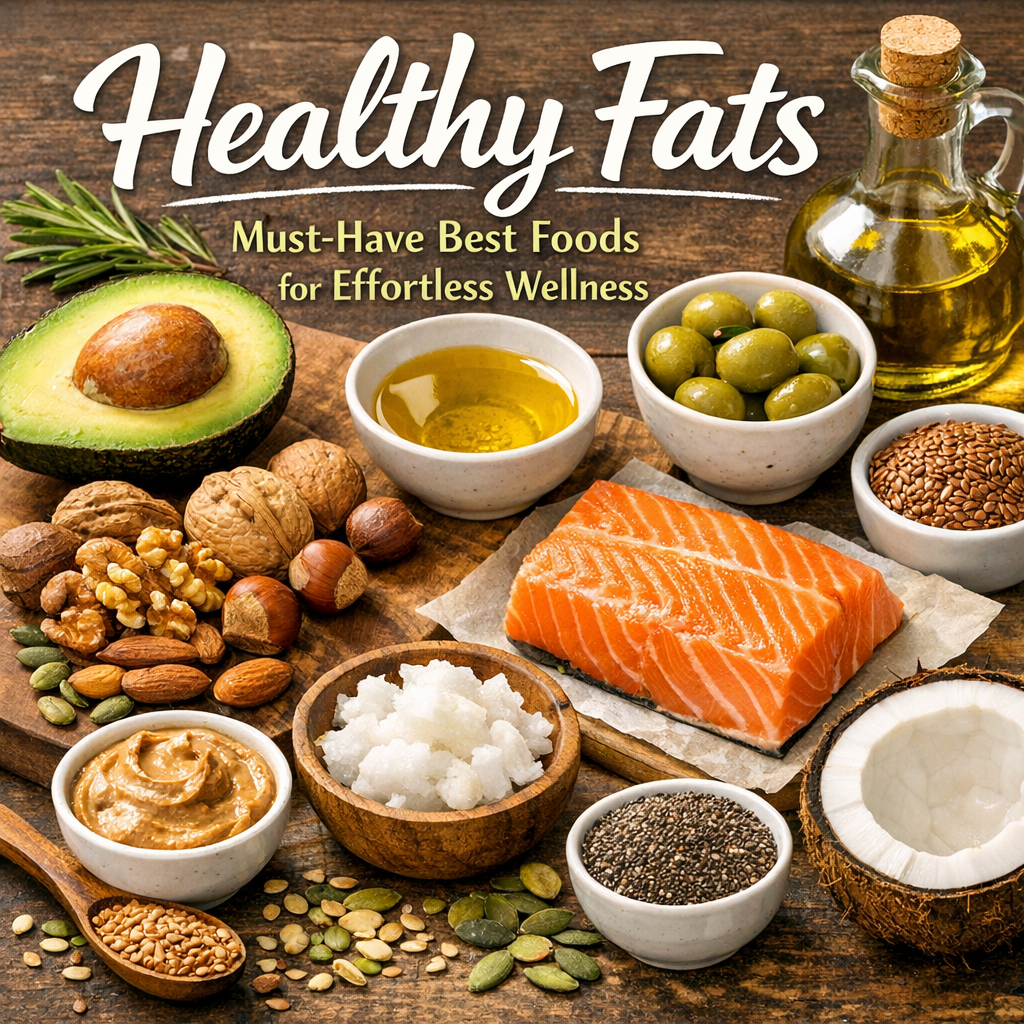
Fat is one of the three main macronutrients, along with protein and carbohydrates. It plays a major role in helping the body absorb vitamins A, D, E, and K, which are all fat-soluble. Without enough dietary fat, even a nutrient-rich meal may not deliver its full benefit.
Fat also helps:
– Build cell membranes
– Protect organs
– Support brain and nerve function
– Regulate hormones
– Keep you feeling full after meals
The key is not simply to eat more fat, but to choose high-quality sources that offer nutrition along with satisfaction.
Types of Fats: What to Know
Not all fats affect the body in the same way. Understanding the difference can make food choices much easier.
Unsaturated Fats
These are generally considered the most beneficial. They are found in plant-based foods, nuts, seeds, and fatty fish. Unsaturated fats can help support heart health and reduce inflammation when used in place of highly processed or trans fats.
They are divided into:
– Monounsaturated fats: Found in avocados, olives, olive oil, and many nuts
– Polyunsaturated fats: Found in walnuts, flaxseeds, sunflower seeds, and fish like salmon and sardines
Saturated Fats
These are found in foods such as butter, cheese, and fatty cuts of meat, as well as tropical oils like coconut oil. Saturated fat is not necessarily something to panic over, but moderation is important. Whole-food sources can fit into a balanced diet, especially when the overall eating pattern is rich in vegetables, fruits, fiber, and lean protein.
Trans Fats
These are the fats to avoid whenever possible. Artificial trans fats are commonly found in some packaged snacks, baked goods, and fried fast foods. They are strongly linked to poor heart health and inflammation.
Best Foods Rich in Healthy Fats
If you want to improve your diet without making it feel restrictive, these foods are some of the easiest and most effective additions.
Avocados
Avocados are one of the most popular fat-rich foods for good reason. They are packed with monounsaturated fat, fiber, potassium, and antioxidants. Their creamy texture makes them versatile enough for toast, salads, smoothies, grain bowls, and dips.
A simple way to use them:
– Slice onto eggs or toast
– Mash into guacamole
– Add to wraps or sandwiches
Fatty Fish
Salmon, mackerel, sardines, trout, and herring are excellent sources of omega-3 fatty acids. These fats are especially valuable for heart and brain health. Eating fish a couple of times per week can be a smart habit for long-term wellness.
If fresh fish is not always available, canned sardines or salmon are convenient and budget-friendly options.
Nuts
Almonds, walnuts, pistachios, pecans, and cashews offer a satisfying mix of fat, protein, and micronutrients. Walnuts are especially known for their omega-3 content, while almonds provide vitamin E and magnesium.
For portion balance, a small handful is usually enough to add crunch and nourishment to a meal or snack.
Seeds
Chia seeds, flaxseeds, pumpkin seeds, hemp seeds, and sunflower seeds are small but powerful. They contain beneficial fats along with fiber, minerals, and plant compounds.
Easy ways to use seeds:
– Stir into oatmeal or yogurt
– Blend into smoothies
– Sprinkle over salads or soups
– Add to homemade energy bites
Olive Oil
Extra virgin olive oil is one of the most respected fats in nutrition, especially in Mediterranean-style eating patterns. It is rich in monounsaturated fat and antioxidants that may help protect against inflammation and cardiovascular issues.
Use it for:
– Salad dressings
– Roasted vegetables
– Drizzling over cooked grains or beans
– Dipping whole-grain bread
Nut Butters
Peanut butter, almond butter, and cashew butter can be practical ways to include nourishing fats. The best options have minimal ingredients, ideally just nuts and maybe a little salt.
They work well on:
– Apple slices
– Whole-grain toast
– Oatmeal
– Smoothies
Eggs
Eggs contain fat in the yolk, along with choline, protein, and several vitamins. Though they were once criticized, eggs can absolutely be part of a healthy eating pattern for most people. They are affordable, filling, and easy to prepare.
How Healthy Fats Support Effortless Wellness
The idea of “effortless wellness” is not about perfection. It is about making simple, realistic choices that help you feel better over time. Adding nutritious fat sources can make meals more satisfying, which may reduce mindless snacking and help maintain steady energy throughout the day.
Easy Ways to Add Healthy Fats to Daily Meals
Including healthy fats does not require a complicated meal plan. Small, repeatable habits often make the biggest difference.
Try these simple ideas:
– Add sliced avocado to breakfast
– Use olive oil instead of heavy processed dressings
– Snack on nuts instead of chips
– Mix chia or flax into yogurt
– Include salmon in your weekly dinner rotation
– Spread nut butter on fruit for a balanced snack
– Top salads with seeds for extra texture
These changes are easy to maintain, and they improve both taste and nutrition.
Portion Awareness Matters
Even beneficial fats are calorie-dense, so balance still matters. A healthy diet does not mean unlimited amounts of even the most nutritious foods. Paying attention to portions helps you enjoy the benefits without going overboard.
A few practical examples:
– 1 tablespoon olive oil
– 1 small handful of nuts
– 1/4 to 1/2 avocado
– 1 to 2 tablespoons seeds or nut butter
This approach keeps meals satisfying while supporting overall health goals.
Common Mistakes to Avoid
When trying to eat better, it is easy to get pulled in by food trends or misleading labels. Here are a few mistakes to watch for:
– Assuming all low-fat products are healthier
– Overeating “healthy” snack foods without checking portions
– Relying too much on fried foods labeled as keto or high-fat
– Avoiding all fats and missing important nutrients
– Ignoring overall diet quality
The healthiest pattern is one that includes whole foods, variety, and moderation.
Final Thoughts
Choosing better fat sources is one of the simplest ways to make everyday eating more nourishing and enjoyable. Instead of cutting fat out, focus on adding foods like avocados, olive oil, nuts, seeds, eggs, and fatty fish to your routine. These options offer flavor, fullness, and important nutrients that support the body in lasting ways.
When meals include the right balance of nutrients, wellness feels less like a strict plan and more like a natural part of daily life. With a few smart choices, eating well can become something that feels easy, satisfying, and sustainable.