- Why Healthy Eating Matters
- Food Insights for Building a Balanced Plate
- Prioritize Whole Foods Over Processed Options
- Smart Food Insights on Portion Control
- Don’t Ignore Hydration
- Plan Ahead to Make Better Choices
- Listen to Your Body
- Healthy Eating Tips for Long-Term Success
- Start Small
- Be Consistent
- Make Food Enjoyable
- Create a Supportive Environment
- Focus on How You Feel
- Final Thoughts
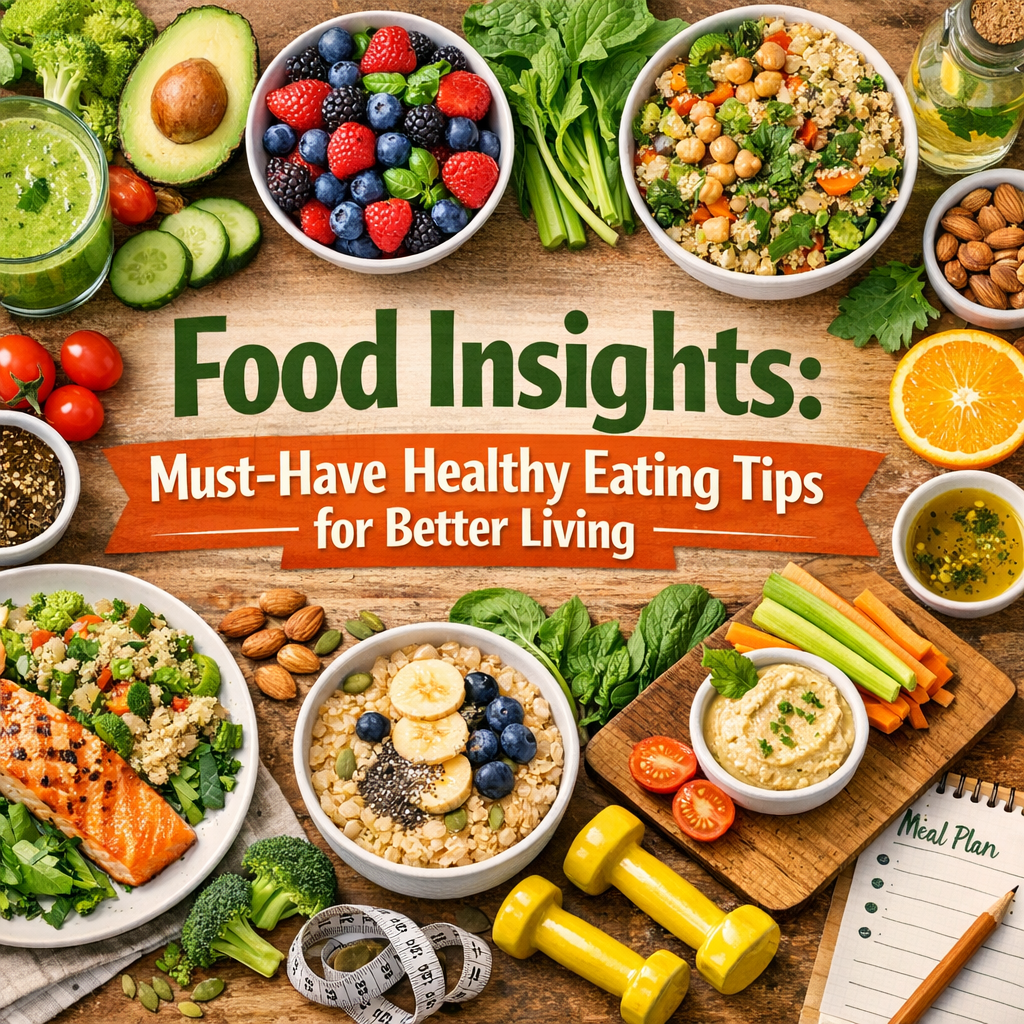
Food Insights: Must-Have Healthy Eating Tips for Better Living
Food insights can transform the way you think about meals, snacks, and everyday nutrition. Healthy eating does not have to mean strict rules, bland food, or giving up your favorite dishes. Instead, it is about making smarter choices, understanding what your body needs, and building habits that support long-term well-being. With the right approach, food can become a powerful tool for better energy, improved mood, stronger immunity, and a healthier life overall.
Why Healthy Eating Matters
What you eat affects nearly every part of your health. A balanced diet supports your body’s basic functions, helps maintain a healthy weight, and lowers the risk of chronic conditions such as heart disease, type 2 diabetes, and high blood pressure. It also plays a major role in brain health, sleep quality, and emotional balance.
Healthy eating is not about perfection. It is about consistency. Small improvements made every day often have a bigger impact than extreme short-term changes. Choosing whole foods more often, drinking enough water, and being mindful of portion sizes are simple examples of choices that add up over time.
Food Insights for Building a Balanced Plate
One of the easiest ways to improve your diet is to create balanced meals. Instead of focusing only on calories, think about nutrients and variety.
A well-balanced plate usually includes:
– Vegetables and fruits for vitamins, minerals, and fiber
– Lean protein such as chicken, fish, eggs, beans, tofu, or yogurt
– Whole grains like brown rice, oats, quinoa, or whole wheat bread
– Healthy fats from avocado, nuts, seeds, and olive oil
This combination helps you stay full longer and provides the nutrients your body needs to function properly. Try filling half your plate with vegetables, a quarter with lean protein, and the remaining quarter with whole grains or other complex carbohydrates.
Prioritize Whole Foods Over Processed Options
Whole foods are foods that are close to their natural state. These include fresh produce, legumes, nuts, seeds, eggs, fish, and whole grains. Processed foods, on the other hand, often contain added sugars, unhealthy fats, excess sodium, and artificial ingredients.
That does not mean all packaged foods are bad, but it is helpful to read labels and understand what you are buying. A good rule is to choose items with shorter ingredient lists and ingredients you recognize.
Examples of healthier swaps include:
– Fresh fruit instead of sugary desserts
– Plain yogurt with berries instead of flavored yogurt
– Air-popped popcorn instead of chips
– Whole grain bread instead of white bread
– Water or herbal tea instead of soda
Making these simple substitutions can improve your nutrient intake without making meals feel restrictive.
Smart Food Insights on Portion Control
Eating healthy is not only about what you eat but also how much you eat. Even nutritious foods can contribute to discomfort or weight gain when portions are too large.
Portion control does not mean constantly measuring everything, but it does help to be aware of serving sizes. Eating slowly and paying attention to hunger and fullness cues can make a big difference. Many people eat past the point of satisfaction simply because they are distracted, stressed, or used to oversized servings.
Here are a few practical tips:
– Use smaller plates and bowls
– Serve food in the kitchen instead of placing large dishes on the table
– Pause halfway through your meal to check if you are still hungry
– Avoid eating directly from bags or containers
– Include protein and fiber to feel satisfied longer
Mindful eating can help you enjoy food more while avoiding unnecessary overeating.
Don’t Ignore Hydration
Water is often overlooked in conversations about nutrition, yet it is essential for digestion, circulation, temperature control, and energy. Sometimes thirst is even mistaken for hunger, which can lead to unnecessary snacking.
A few simple ways to stay hydrated include:
– Carry a reusable water bottle
– Drink a glass of water with each meal
– Add lemon, cucumber, or mint for flavor
– Eat water-rich foods like cucumbers, oranges, and watermelon
– Limit sugary drinks that add calories without much nutrition
Hydration needs vary depending on your activity level, climate, and overall health, but making water your main beverage is a smart foundation for better living.
Plan Ahead to Make Better Choices
Healthy eating becomes much easier when you plan in advance. Busy schedules often lead to skipped meals, last-minute takeout, or reaching for convenience foods that are high in salt, sugar, and unhealthy fats.
Meal planning does not have to be complicated. Even a little preparation can save time and reduce stress throughout the week.
Try these planning strategies:
– Make a grocery list based on simple, balanced meals
– Keep healthy snacks available, such as nuts, fruit, or boiled eggs
– Prep ingredients in advance, like chopped vegetables or cooked grains
– Cook extra portions for lunch the next day
– Store nutritious staples in your pantry, including beans, oats, and whole grains
When healthy options are easy to access, you are much more likely to choose them.
Listen to Your Body
No single diet works for everyone. Your age, activity level, health conditions, and personal preferences all influence what healthy eating looks like for you. Paying attention to how foods make you feel can help you develop a more personalized approach.
For example, some people feel energized after a protein-rich breakfast, while others prefer something lighter. Some may need to reduce sodium, while others focus on increasing fiber or iron intake. Learning to recognize your body’s signals can help you make choices that support your specific needs.
It is also important to leave room for flexibility. Enjoying treats in moderation is part of a healthy lifestyle. Food should nourish you, but it should also bring enjoyment and connection.
Healthy Eating Tips for Long-Term Success
Sustainable change usually comes from realistic habits, not extreme diets. If you want your healthy eating routine to last, focus on progress rather than perfection.
Here are a few habits that support long-term success:
Start Small
Choose one or two changes at a time, such as adding vegetables to lunch or drinking more water. Small wins build momentum.
Be Consistent
Healthy eating is shaped by your overall pattern, not one meal. A less healthy choice now and then does not ruin your progress.
Make Food Enjoyable
Experiment with herbs, spices, and cooking methods to keep meals interesting. Healthy food should taste good.
Create a Supportive Environment
Keep nutritious foods visible and easy to prepare. Limit the temptation of highly processed snacks by not stocking too many at home.
Focus on How You Feel
Better energy, improved digestion, and stable mood are valuable signs that your habits are working.
Final Thoughts
Healthy eating is not about following trends or chasing perfection. It is about building a better relationship with food and making choices that support your daily life. By focusing on balanced meals, whole foods, hydration, portion awareness, and simple planning, you can create habits that improve both your physical and mental well-being.
The best approach is the one you can maintain. Start with small steps, stay consistent, and allow yourself room to grow. Over time, these practical changes can lead to better living, one meal at a time.