- Why Food Education Matters
- The Core Principles of Food Education
- 1. Learn the Basics of Nutrients
- 2. Understand Portion Awareness
- 3. Read Labels with Confidence
- Food Education at Home and in Daily Life
- Build Better Grocery Habits
- Make Cooking a Life Skill
- How Food Education Supports Long-Term Healthy Eating
- Food Education for Children and Families
- Common Barriers to Healthy Eating Success
- Practical Steps to Get Started with Food Education
- Final Thoughts
Food Education: Must-Have Guide for Healthy Eating Success
Food education is one of the most powerful tools for improving health, building better habits, and making everyday eating decisions easier. When people understand what is in their food, how it affects the body, and how to create balanced meals, they are more likely to enjoy long-term wellness rather than chase short-term diets. Healthy eating is not just about willpower. It starts with knowledge, practical skills, and confidence.
In today’s fast-paced world, many people are surrounded by mixed messages about nutrition. One day a food is called healthy, and the next day it is labeled harmful. This confusion can make eating well feel overwhelming. That is why learning the basics matters so much. With the right guidance, anyone can develop a healthier relationship with food and make choices that support energy, focus, and overall well-being.
Why Food Education Matters
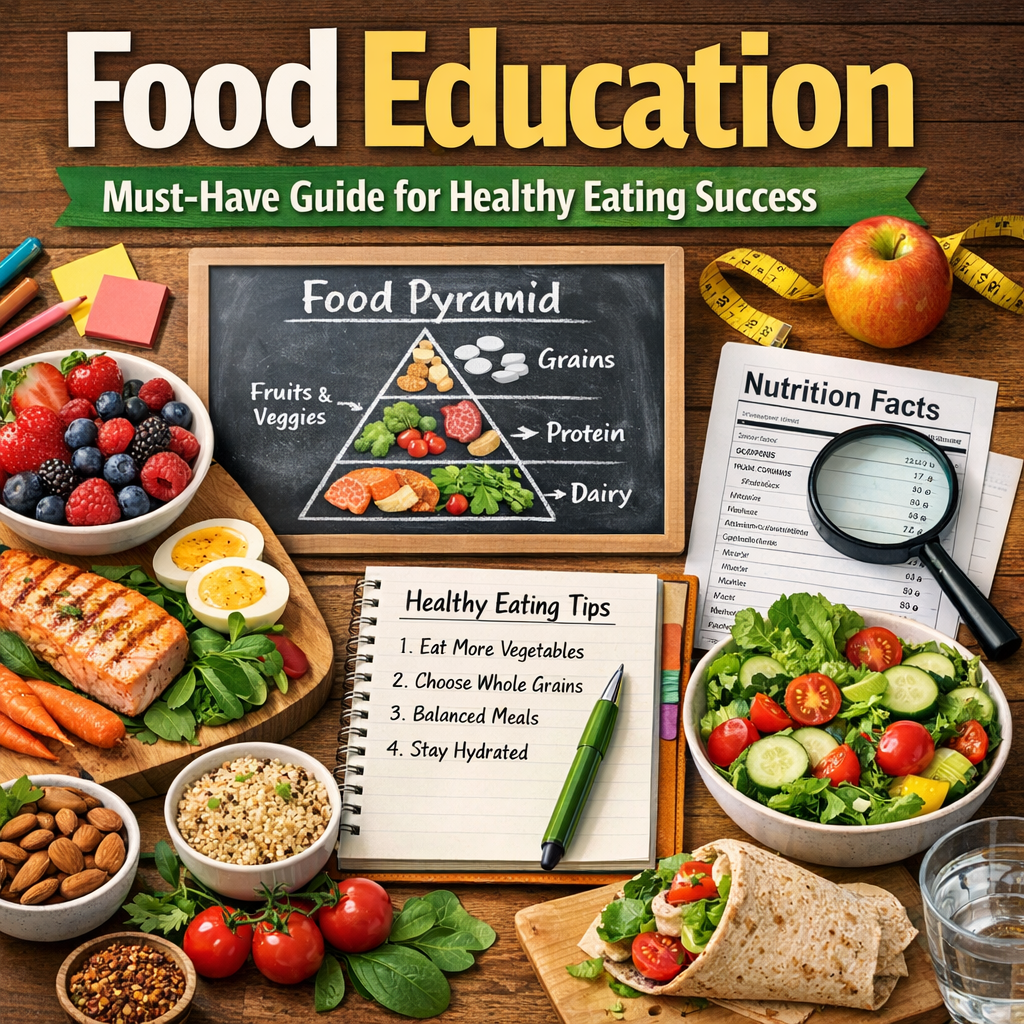
Good nutrition affects nearly every part of life. It supports growth, brain function, sleep quality, immune health, and mood. Yet many people are never taught how to read food labels, plan meals, or understand portion balance. Without this knowledge, it is easy to rely on convenience foods, sugary snacks, or misleading marketing.
Food education helps people:
– Understand the role of nutrients
– Identify healthier options at the store
– Prepare simple, balanced meals at home
– Build sustainable habits instead of following extreme diets
– Recognize how food choices influence physical and mental health
It also gives individuals a sense of control. Rather than feeling restricted, they can make informed decisions based on their goals, lifestyle, and personal preferences.
The Core Principles of Food Education
A strong foundation begins with learning the essentials. Healthy eating does not require perfection. It requires consistency and awareness.
1. Learn the Basics of Nutrients
Every food contains nutrients that play different roles in the body. Food education often starts here because understanding nutrients makes meal planning much easier.
– Carbohydrates provide energy for the body and brain.
– Protein supports muscles, tissue repair, and fullness.
– Healthy fats help with hormone production, brain function, and nutrient absorption.
– Vitamins and minerals support countless body processes, from immunity to bone health.
– Fiber improves digestion and helps control hunger.
When people understand these basics, they can move beyond labeling foods as simply “good” or “bad” and start focusing on balance.
2. Understand Portion Awareness
Portion size has a major impact on overall eating habits. Even healthy foods can be overconsumed if portions are not considered. At the same time, eating too little can lead to fatigue, cravings, and poor concentration.
A simple way to think about balanced eating is to build a plate with:
– Half vegetables and fruits
– One quarter lean protein
– One quarter whole grains or healthy carbohydrates
– A small amount of healthy fat
This approach is practical, flexible, and easier to maintain than strict measuring.
3. Read Labels with Confidence
Many packaged foods look healthy from the front of the box, but the nutrition label tells the real story. Food education teaches people to look beyond slogans such as “natural,” “low-fat,” or “high-protein.”
Pay attention to:
– Serving size
– Added sugars
– Sodium content
– Fiber amount
– Ingredient list
– Protein content
In general, shorter ingredient lists with recognizable ingredients are often a better choice, though context still matters.
Food Education at Home and in Daily Life
Learning about nutrition is helpful, but applying that knowledge in real life is where success happens. Small daily practices can create major change over time.
Build Better Grocery Habits
Healthy eating often begins at the store. A few smart grocery strategies include:
– Shopping with a list
– Choosing more whole foods
– Buying fruits and vegetables in a mix of fresh, frozen, or canned forms
– Keeping healthy snacks available
– Avoiding shopping while overly hungry
These habits reduce impulse buys and make it easier to prepare nourishing meals during the week.
Make Cooking a Life Skill
Cooking does not need to be complicated. In fact, one of the most valuable parts of food education is learning how to make quick, simple meals. Basic skills like roasting vegetables, cooking grains, preparing protein, and combining ingredients into balanced dishes can save money and improve nutrition.
Easy meal ideas include:
– Oatmeal with fruit, nuts, and yogurt
– Grilled chicken with rice and steamed vegetables
– Bean bowls with avocado, salsa, and greens
– Whole grain toast with eggs and a side of fruit
– Pasta with olive oil, vegetables, and lean protein
The goal is not gourmet cooking. The goal is confidence and consistency.
How Food Education Supports Long-Term Healthy Eating
Many people try to improve their health through temporary diets, but restrictive plans are often hard to maintain. They may lead to frustration, guilt, or all-or-nothing thinking. Food education offers a better path because it focuses on understanding rather than restriction.
When people learn how food works, they are more likely to:
– Make balanced choices without feeling deprived
– Enjoy treats in moderation
– Adapt eating habits to different situations
– Recover from setbacks without giving up
– Create routines that fit their lifestyle
This mindset encourages progress over perfection. A single meal does not define health. Patterns over time matter far more.
Food Education for Children and Families
Teaching healthy eating early can shape lifelong habits. Children benefit when they learn where food comes from, why variety matters, and how meals support growth and energy. Families can encourage this by making nutrition part of everyday life instead of turning it into a lecture.
Helpful family strategies include:
– Eating meals together when possible
– Letting children help with grocery shopping or cooking
– Offering a variety of foods without pressure
– Talking positively about nourishment instead of weight
– Modeling balanced eating habits
When children see food as fuel, enjoyment, and care, they are more likely to develop a healthy relationship with eating.
Common Barriers to Healthy Eating Success
Even with good intentions, people face real challenges. Busy schedules, budget concerns, limited cooking skills, and emotional eating can all affect food choices. Food education helps by offering realistic solutions instead of unrealistic expectations.
For example:
– If time is limited, batch cook simple staples like rice, eggs, beans, or roasted vegetables.
– If budget is a concern, choose affordable nutrient-dense foods like oats, lentils, frozen vegetables, bananas, and canned tuna.
– If healthy eating feels overwhelming, focus on one habit at a time, such as eating more vegetables or drinking more water.
– If emotional eating is a struggle, pay attention to hunger cues and identify stress triggers.
The best approach is one that fits real life.
Practical Steps to Get Started with Food Education
If you want to improve your eating habits, begin with simple actions you can repeat. Start small and build from there.
Try these steps:
1. Add one fruit or vegetable to each meal.
2. Replace sugary drinks with water more often.
3. Learn to prepare three easy healthy meals.
4. Read labels on foods you buy regularly.
5. Aim for protein, fiber, and color on your plate.
6. Plan meals for the next few days instead of the whole month.
7. Focus on consistency rather than perfection.
These changes may seem small, but they can create lasting progress.
Final Thoughts
Healthy eating becomes much easier when knowledge replaces confusion. Food education gives people the tools to understand nutrition, build balanced meals, and make choices that support long-term well-being. It is not about following rigid rules or cutting out entire food groups. It is about learning how to eat in a way that feels realistic, enjoyable, and supportive of your goals.
With the right information and a practical mindset, anyone can take steps toward a healthier future. Better eating habits begin with better understanding, and that understanding can lead to lasting success.