- Why Nutrition Matters for Peak Performance
- Best Fitness Foods for Strength, Energy, and Recovery
- 1. Lean Protein Sources
- 2. Complex Carbohydrates
- 3. Healthy Fats
- 4. Fruits and Vegetables
- Fitness Foods to Eat Before a Workout
- Fitness Foods for Post-Workout Recovery
- Hydration: The Often Overlooked Performance Booster
- How to Build Balanced Meals with Fitness Foods
- Common Mistakes to Avoid
- Final Thoughts
Fitness Foods: Must-Have Best Choices for Peak Performance
Fitness foods are more than just trendy ingredients or “healthy” snacks—they are the foundation of energy, recovery, strength, and long-term athletic performance. Whether you are training for endurance, building muscle, improving body composition, or simply trying to feel more energized throughout the day, the foods you choose can make a major difference. The right nutrition helps fuel workouts, supports muscle repair, stabilizes energy levels, and improves overall health in ways that supplements alone never can.
A smart approach to eating for performance does not require an overly strict or complicated diet. Instead, it starts with understanding which foods deliver the best combination of nutrients and how they fit into your lifestyle. From lean proteins and complex carbohydrates to healthy fats and hydration, a strong fitness-focused eating plan is built on quality, consistency, and balance.
Why Nutrition Matters for Peak Performance
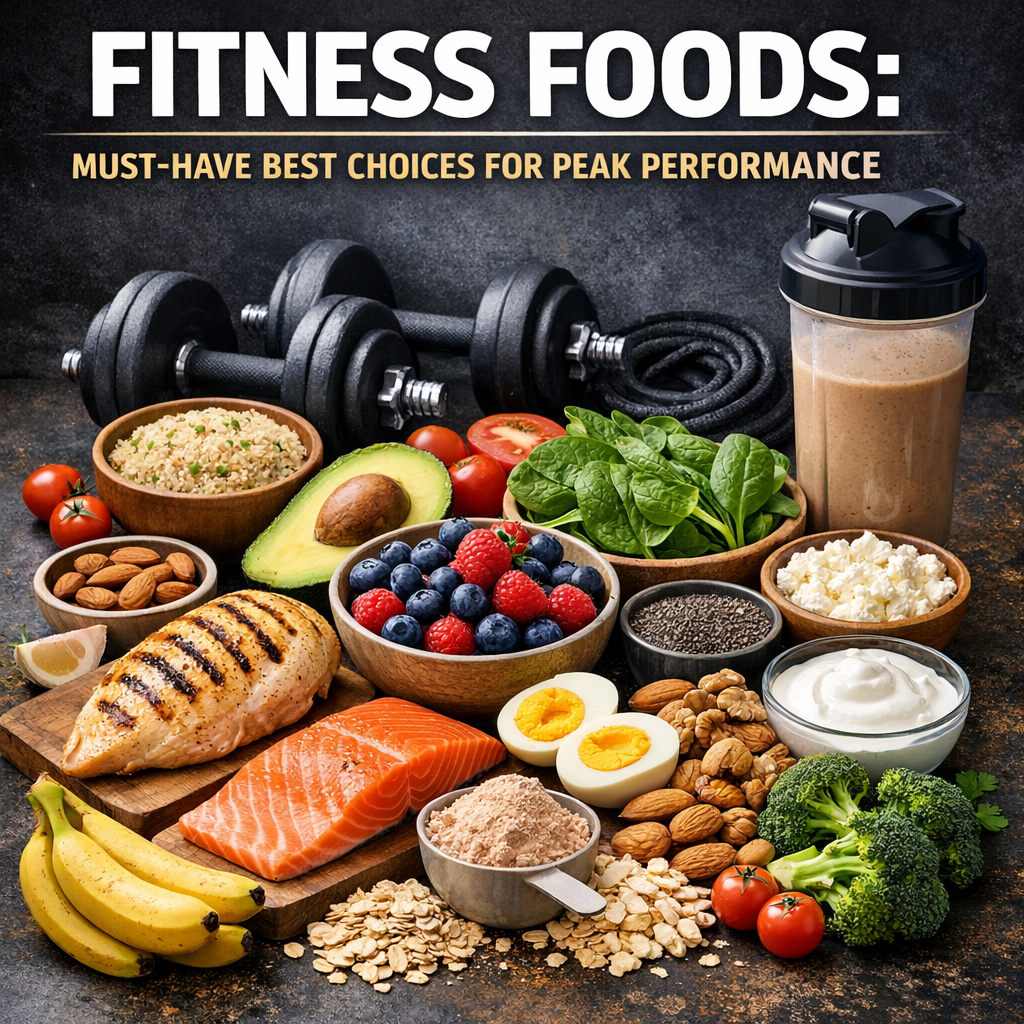
Food is the body’s fuel source. During exercise, your body uses stored energy to power movement, regulate temperature, and keep muscles working efficiently. After a workout, it needs nutrients to repair tissue, replenish glycogen, and reduce inflammation. If your diet is lacking, your performance usually reflects it.
Poor food choices can lead to fatigue, slower recovery, brain fog, cravings, and inconsistent training results. On the other hand, a well-planned nutrition strategy can help you:
– Increase stamina and workout intensity
– Support muscle growth and recovery
– Improve focus and mood
– Maintain a healthy metabolism
– Reduce the risk of injury and burnout
The best results usually come from building meals around whole, nutrient-dense foods rather than relying on processed “diet” products.
Best Fitness Foods for Strength, Energy, and Recovery
When choosing what to eat, it helps to focus on foods that provide essential macronutrients—protein, carbohydrates, and fats—along with vitamins, minerals, and antioxidants.
1. Lean Protein Sources
Protein is essential for muscle repair, growth, and recovery. It also helps keep you full longer, which can support body composition goals.
Great options include:
– Chicken breast
– Turkey
– Eggs
– Greek yogurt
– Cottage cheese
– Fish such as salmon and tuna
– Tofu, tempeh, and edamame
– Lentils and beans
Including protein in every meal can help your body recover more efficiently after training and maintain lean muscle mass.
2. Complex Carbohydrates
Carbohydrates are often misunderstood, but they are one of the most important energy sources for active people. Complex carbs provide steady fuel and help restore glycogen stores after exercise.
Top choices include:
– Oats
– Brown rice
– Quinoa
– Sweet potatoes
– Whole grain bread
– Whole wheat pasta
– Beans and legumes
– Fruit
If you work out regularly, avoiding carbs completely can actually reduce performance and recovery. The key is choosing high-quality carbs over refined, sugary options.
3. Healthy Fats
Fats support hormone production, joint health, brain function, and long-lasting energy. While they digest more slowly than carbohydrates, they are still an important part of a balanced performance diet.
Best sources include:
– Avocados
– Nuts and seeds
– Natural nut butters
– Olive oil
– Chia seeds
– Flaxseeds
– Fatty fish like salmon and sardines
Healthy fats are especially useful in meals eaten several hours before training or during the rest of the day to support overall wellness.
4. Fruits and Vegetables
Micronutrients matter just as much as macronutrients. Fruits and vegetables provide antioxidants, fiber, potassium, magnesium, and vitamin C—all of which support recovery, immunity, and muscle function.
Excellent choices include:
– Bananas for quick energy and potassium
– Berries for antioxidants
– Spinach and kale for iron and minerals
– Broccoli for fiber and vitamins
– Oranges for hydration and vitamin C
– Beets for natural nitrates that may support endurance
Aim for variety and color in your meals to get a broad range of nutrients.
Fitness Foods to Eat Before a Workout
Pre-workout meals should provide energy without making you feel heavy or sluggish. The ideal choice depends on how much time you have before training.
If you have 2 to 3 hours before exercise, a balanced meal might include:
– Grilled chicken with rice and vegetables
– Oatmeal with Greek yogurt and berries
– Eggs with whole grain toast and avocado
If you have 30 to 60 minutes before exercise, a lighter snack is usually better:
– A banana with peanut butter
– Greek yogurt with fruit
– A protein smoothie with oats
– Rice cakes with almond butter
The goal is to combine easy-to-digest carbohydrates with a moderate amount of protein.
Fitness Foods for Post-Workout Recovery
After exercise, your body is especially ready to absorb nutrients. A good post-workout meal helps replenish energy stores and supports muscle repair.
Effective recovery foods include:
– Protein shake with a banana
– Grilled salmon with sweet potato
– Greek yogurt with berries and granola
– Chicken with quinoa and roasted vegetables
– Cottage cheese with fruit
A mix of protein and carbohydrates within a couple of hours after exercise is often ideal. Hydration is also essential, especially after intense training or sweating.
Hydration: The Often Overlooked Performance Booster
Even mild dehydration can affect endurance, strength, coordination, and concentration. Water plays a role in nearly every function related to exercise, including body temperature regulation and nutrient transport.
To stay properly hydrated:
– Drink water consistently throughout the day
– Increase intake before and after workouts
– Replace fluids lost through sweat
– Consider electrolytes after longer or more intense sessions
For most workouts, water is enough. For endurance training or heavy sweating, drinks with sodium, potassium, and magnesium can be helpful.
How to Build Balanced Meals with Fitness Foods
Creating meals that support performance does not have to be complicated. A simple formula can help:
– Protein: chicken, eggs, fish, tofu, yogurt
– Carbohydrates: rice, potatoes, oats, fruit, whole grains
– Healthy fats: avocado, olive oil, nuts, seeds
– Vegetables or fruit: for fiber, vitamins, and minerals
For example:
– Breakfast: oatmeal with protein powder, berries, and chia seeds
– Lunch: grilled chicken, brown rice, and roasted broccoli
– Snack: apple with peanut butter and Greek yogurt
– Dinner: salmon, quinoa, spinach, and avocado
This approach gives your body the nutrients it needs while keeping meals practical and satisfying.
Common Mistakes to Avoid
Many people try to improve performance by focusing only on calories or protein while ignoring other important areas. Some common mistakes include:
– Skipping meals before workouts
– Under-eating carbohydrates
– Relying too much on supplements
– Avoiding healthy fats
– Not drinking enough water
– Choosing highly processed “fitness” snacks over real food
Supplements can be useful in some cases, but they should support a strong nutrition foundation—not replace it.
Final Thoughts
Peak performance begins with consistent, high-quality nutrition. The best eating plan is not the most extreme one; it is the one that helps you train well, recover properly, and stay healthy over time. By choosing nutrient-dense proteins, smart carbohydrates, healthy fats, and plenty of produce, you give your body the tools it needs to perform at its best.
When you make thoughtful food choices day after day, the results show up not only in the gym but also in energy, focus, recovery, and overall well-being. Fitness success is built meal by meal, and the right choices can take your performance to the next level.