- Why Eating Trends Matter More Than Ever
- Healthy Eating Trends Worth Watching
- 1. Plant-Forward Eating
- 2. Protein With Purpose
- 3. Gut-Friendly Foods
- How Eating Trends Are Becoming More Practical
- Convenience Meets Nutrition
- Mindful Snacking
- Personalized Nutrition
- Common Mistakes to Avoid
- Building Better Habits From Current Insights
- Final Thoughts
Eating Trends: Must-Have Best Healthy Eating Insights
Eating trends are shaping the way people shop, cook, and think about food. What once counted as “healthy” was often limited to low-fat labels or strict meal plans. Today, the conversation is much broader. People want food that supports energy, digestion, immunity, mental focus, and long-term wellness. At the same time, they are looking for eating habits that fit real life, not just ideal routines seen online.
Healthy eating is no longer only about calories. It is about quality, balance, convenience, and sustainability. From plant-forward meals to mindful snacking, modern food choices reflect a deeper understanding of how nutrition affects daily life. Knowing which shifts are meaningful can help you make smarter decisions without falling for every fad.
Why Eating Trends Matter More Than Ever
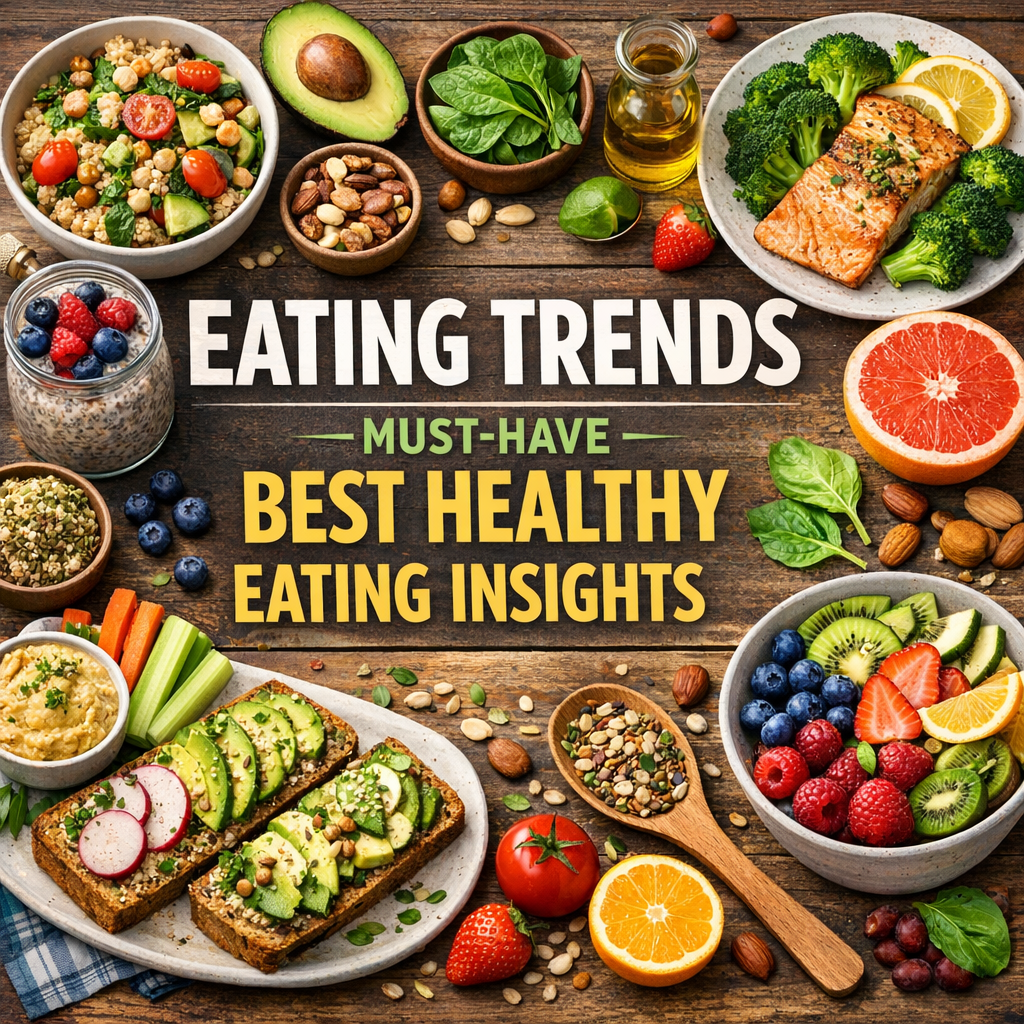
Food trends influence more than restaurant menus. They affect grocery store shelves, school lunches, workplace wellness programs, and household meal planning. As new research becomes more accessible, people are learning that small changes in eating habits can produce lasting benefits.
Several forces are driving this shift:
– Greater awareness of chronic health issues
– More interest in preventive nutrition
– Easier access to global food ideas through social media
– Growing demand for convenient but nourishing meals
– Stronger focus on environmental impact
These factors have pushed healthy eating into the mainstream. However, not every trend deserves equal attention. Some are backed by science, while others are short-lived hype. The key is to identify patterns that truly support well-being.
Healthy Eating Trends Worth Watching
1. Plant-Forward Eating
One of the most powerful shifts in recent years is the move toward plant-forward meals. This does not always mean becoming vegetarian or vegan. Instead, it means giving more space on the plate to vegetables, fruits, legumes, nuts, seeds, and whole grains.
People are choosing this approach because it can support heart health, digestion, and weight management. It also offers flexibility. A plant-forward diet can include occasional animal products while still emphasizing nutrient-rich plant foods.
Simple ways to try it include:
– Replacing one meat-based dinner each week with beans or lentils
– Adding extra vegetables to pasta, soups, and stir-fries
– Choosing whole grains like quinoa, oats, or brown rice
2. Protein With Purpose
Protein remains a major priority, but the focus is changing. Instead of simply eating more of it, many consumers are asking where it comes from and how it fits into a balanced diet.
Greek yogurt, eggs, fish, tofu, cottage cheese, edamame, and legumes are all gaining attention. People want protein that helps with fullness, muscle maintenance, and steady energy without loading meals with excess sugar or highly processed ingredients.
This trend is especially strong among busy professionals, older adults, and fitness-focused consumers. The growing popularity of high-protein snacks also shows how people are looking for practical solutions between meals.
3. Gut-Friendly Foods
Digestive health has become one of the most talked-about topics in nutrition. As a result, foods that support the gut microbiome are becoming everyday staples. Yogurt with live cultures, kefir, kimchi, sauerkraut, miso, and fiber-rich foods are all part of this movement.
A healthy gut may play a role in digestion, immune function, and even mood. While the science continues to evolve, one insight is already clear: eating more diverse, fiber-rich whole foods is beneficial for most people.
Rather than relying only on supplements, many are turning to food-first strategies such as:
– Eating more beans, berries, and leafy greens
– Including fermented foods a few times per week
– Reducing highly processed foods when possible
How Eating Trends Are Becoming More Practical
A big reason healthy eating is becoming more sustainable is that it is now more realistic. People are moving away from all-or-nothing thinking and toward habits they can keep.
Convenience Meets Nutrition
Today’s consumers want meals that are quick but still nourishing. This has led to rising interest in pre-cut vegetables, frozen fruit, ready-to-eat grains, meal kits, and better-for-you packaged options.
Convenience is no longer seen as the opposite of healthy eating. In fact, smart shortcuts can help people stay consistent. A frozen vegetable blend, canned beans, or a simple rotisserie chicken can make balanced meals easier on busy days.
Mindful Snacking
Snacking has changed from being viewed as a bad habit to becoming an intentional part of healthy eating. Instead of reaching for ultra-processed treats, more people are choosing snacks that combine protein, fiber, and healthy fats.
Examples include:
– Apple slices with nut butter
– Hummus with carrots
– Plain yogurt with berries
– Nuts and seeds
– Whole-grain crackers with cheese
This trend reflects a more balanced approach. Rather than skipping food and becoming overly hungry, people are learning to use snacks to support energy and appetite control.
Personalized Nutrition
Another major development is the move toward personalized eating. Not everyone feels their best on the same routine. Some people thrive with three meals a day, while others prefer smaller, more frequent meals. Some need to focus on blood sugar balance, while others prioritize digestive comfort or sports performance.
Technology has helped fuel this trend through apps, wearable devices, and nutrition tracking tools. Still, personalization does not need to be complicated. It can start with paying attention to how certain meals affect your energy, focus, hunger, and mood.
Common Mistakes to Avoid
While it is helpful to stay informed, it is easy to get caught up in extreme advice. Some trends are marketed as miracle solutions when they are really just temporary fixes.
Here are a few things to watch out for:
– Overly restrictive plans that cut out entire food groups without medical need
– Products labeled “healthy” that are still high in sugar, sodium, or additives
– Social media advice without credible nutrition sources
– Obsessing over perfection instead of building consistent habits
Healthy eating should feel supportive, not stressful. If a trend makes food choices more confusing, expensive, or unsustainable, it may not be worth following.
Building Better Habits From Current Insights
The most useful nutrition insights are often the simplest. You do not need to overhaul your entire diet overnight. Small, repeatable changes are usually more effective than dramatic ones.
Consider starting with these steps:
1. Fill half your plate with vegetables more often
2. Choose whole foods most of the time
3. Add a reliable source of protein to meals and snacks
4. Drink enough water throughout the day
5. Plan a few go-to meals for busy weekdays
6. Focus on progress, not perfection
These habits align with many of today’s strongest nutrition shifts without requiring extreme rules.
Final Thoughts
Healthy eating continues to evolve, but the most valuable ideas are surprisingly timeless: eat more whole foods, include variety, pay attention to your body, and make choices you can maintain. Trends can be helpful when they point people toward better habits, but the goal is not to chase every new idea. It is to build a pattern of eating that supports health, enjoyment, and everyday life.
By understanding which changes are truly useful, you can make informed choices with confidence. The smartest approach is not the trendiest one. It is the one that helps you feel better, eat well consistently, and create a healthier relationship with food over time.