- Why an Eating Plan Matters
- What Makes a Healthy Eating Plan Effective?
- 1. Balanced Meals
- 2. Portion Awareness
- 3. Regular Meal Timing
- 4. Hydration
- How to Build an Eating Plan That Fits Your Life
- Start With Your Goals
- Choose Foods You Actually Enjoy
- Prepare for Busy Days
- Eating Plan Tips for Everyday Success
- Plan Your Meals Ahead
- Keep Breakfast Simple
- Fill Half Your Plate With Vegetables
- Make Room for Flexibility
- Common Eating Plan Mistakes to Avoid
- Being Too Restrictive
- Ignoring Hunger Signals
- Relying on Processed Convenience Foods
- Expecting Instant Results
- A Simple One-Day Eating Plan Example
- Long-Term Healthy Living Starts With Consistency
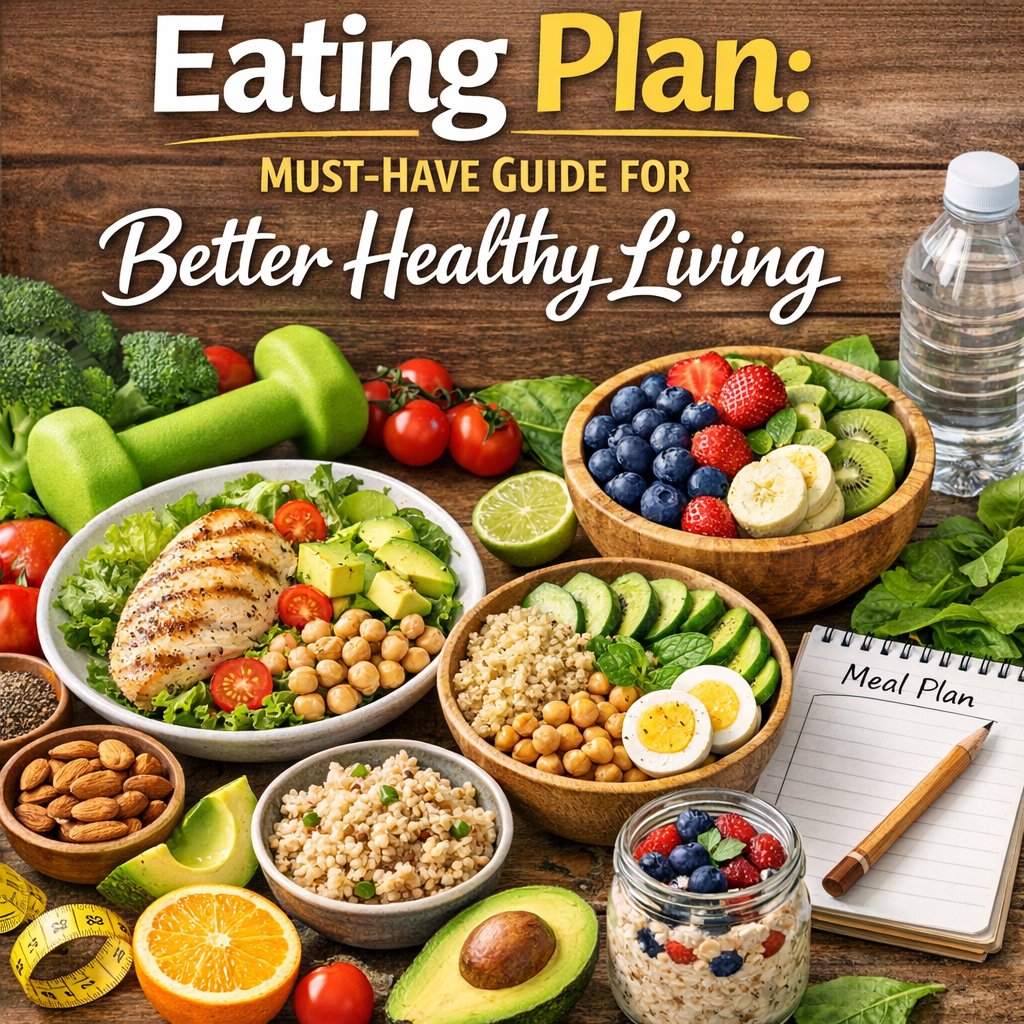
Eating Plan: Must-Have Guide for Better Healthy Living
Eating plan choices shape far more than body weight. They affect energy levels, mood, digestion, sleep quality, focus, and long-term health. A thoughtful approach to daily meals is not about following extreme rules or giving up every favorite food. It is about creating a realistic, balanced way of eating that supports your lifestyle and helps you feel your best.
A good plan should be practical, flexible, and easy to maintain. Many people struggle because they choose methods that are too strict, too complicated, or disconnected from their actual routine. The best results often come from simple habits done consistently over time. When meals are planned with purpose, it becomes easier to nourish the body, reduce stress around food, and build a healthier life.
Why an Eating Plan Matters
Food is the body’s fuel, but it also plays a major role in prevention and wellness. A consistent approach to eating can help:
– Maintain healthy energy throughout the day
– Support a healthy weight
– Improve digestion and gut health
– Lower the risk of chronic diseases
– Reduce overeating and impulsive snacking
– Encourage better mental clarity and mood
Without a plan, many people end up skipping meals, relying on convenience foods, or eating based on cravings alone. That does not mean every unplanned meal is unhealthy, but a lack of structure often makes it harder to meet nutrition goals.
What Makes a Healthy Eating Plan Effective?
A successful strategy is not built on perfection. It is built on balance. The most effective approach usually includes the following elements:
1. Balanced Meals
Try to include a mix of:
– Protein: eggs, fish, chicken, tofu, beans, yogurt
– Healthy fats: avocado, nuts, seeds, olive oil
– Complex carbohydrates: brown rice, oats, sweet potatoes, whole grains
– Fiber-rich foods: vegetables, fruits, legumes
This combination helps keep you full longer and provides steady energy instead of rapid highs and crashes.
2. Portion Awareness
Healthy eating is not only about what you eat, but also how much. Large portions can add extra calories without adding better nutrition. Learning to listen to hunger and fullness cues can help improve portion control naturally.
3. Regular Meal Timing
Eating at consistent times may reduce extreme hunger, which often leads to overeating. Some people do well with three meals a day, while others prefer smaller meals with healthy snacks in between. The best pattern is one that fits your day and feels sustainable.
4. Hydration
Many people overlook water when trying to improve their habits. Staying hydrated supports digestion, circulation, temperature regulation, and appetite control. Sometimes thirst can even be mistaken for hunger.
How to Build an Eating Plan That Fits Your Life
There is no universal formula that works for everyone. A useful guide should match your schedule, preferences, and health needs.
Start With Your Goals
Ask yourself what you want your new habits to achieve. For example:
– More energy during work or school
– Better digestion
– Weight management
– Improved athletic performance
– Better blood sugar control
– Healthier family meals
Once your goal is clear, your decisions become easier. A plan built for energy may focus on regular meals and balanced snacks, while one for weight management may place more attention on portion sizes and mindful eating.
Choose Foods You Actually Enjoy
One of the biggest mistakes people make is filling their kitchen with foods they think they “should” eat but do not like. If meals feel like punishment, the plan will not last. Instead, build around nutritious foods you already enjoy and slowly add variety.
Prepare for Busy Days
Life gets busy, and that is often when healthy intentions fall apart. Keep simple options available, such as:
– Boiled eggs
– Greek yogurt
– Fresh fruit
– Cut vegetables
– Nuts or trail mix
– Whole grain wraps
– Cooked rice or quinoa
– Frozen vegetables
– Canned beans or tuna
Meal prepping even once or twice a week can make a huge difference.
Eating Plan Tips for Everyday Success
Small, repeatable habits often work better than major changes made all at once. Here are practical ways to stay on track:
Plan Your Meals Ahead
You do not need a strict menu for every day, but having a general idea helps. Try planning:
– Breakfast options for the week
– A few lunch choices
– Easy dinners with simple ingredients
– Healthy snacks for in-between hunger
This reduces decision fatigue and lowers the chance of reaching for less nutritious foods.
Keep Breakfast Simple
A balanced morning meal can support focus and reduce cravings later. Good options include:
– Oatmeal with fruit and nuts
– Eggs with whole grain toast
– Yogurt with seeds and berries
– Smoothie with protein, greens, and fruit
Fill Half Your Plate With Vegetables
This is one of the easiest ways to improve meal quality. Vegetables provide fiber, vitamins, minerals, and volume without excessive calories.
Make Room for Flexibility
A healthy routine should include space for social meals, celebrations, and favorite treats. Being flexible helps prevent guilt and all-or-nothing thinking. One indulgent meal does not erase healthy habits.
Common Eating Plan Mistakes to Avoid
Even with good intentions, some patterns can slow progress.
Being Too Restrictive
Cutting out entire food groups without medical reason can make meals less satisfying and harder to maintain. Restriction often leads to frustration and rebound eating.
Ignoring Hunger Signals
Trying to eat “perfectly” can sometimes disconnect people from what their body is telling them. Learning to recognize real hunger and comfortable fullness is valuable.
Relying on Processed Convenience Foods
Not all packaged foods are unhealthy, but heavily processed options are often high in sodium, sugar, and unhealthy fats. Try to base most meals on whole or minimally processed foods.
Expecting Instant Results
Healthy living is a long-term process. Lasting change usually comes from consistency, not speed.
A Simple One-Day Eating Plan Example
Here is a practical example of what a balanced day might look like:
Breakfast:
Oatmeal topped with banana, chia seeds, and peanut butter
Mid-morning snack:
Greek yogurt with berries
Lunch:
Grilled chicken, brown rice, and mixed vegetables
Afternoon snack:
Apple with a handful of almonds
Dinner:
Baked salmon, sweet potato, and a green salad with olive oil dressing
Evening option if needed:
Herbal tea and a small piece of dark chocolate
This is only one example. The best routine is one that fits your taste, culture, schedule, and nutritional needs.
Long-Term Healthy Living Starts With Consistency
Creating better habits does not require perfection. It requires awareness, preparation, and steady effort. A well-designed eating plan supports your body in ways that go beyond the scale. It can help you think clearly, move better, sleep more deeply, and feel more in control of your health.
Start small if needed. Improve one meal, add more vegetables, drink more water, or prep snacks in advance. These simple actions add up. Over time, your daily food choices can become a strong foundation for better healthy living.