- Why a Balanced Diet Matters for Women
- Best Diet for Women: Core Nutrition Principles
- 1. Prioritize Protein at Every Meal
- 2. Choose Smart Carbohydrates
- 3. Don’t Fear Healthy Fats
- Important Nutrients in a Diet for Women
- Iron
- Calcium and Vitamin D
- Folate
- Magnesium
- Diet for Women at Different Life Stages
- In the 20s and 30s
- During Pregnancy and Breastfeeding
- In the 40s and 50s
- After Menopause
- Practical Healthy Eating Tips
- Build Your Plate Simply
- Stay Hydrated
- Limit Ultra-Processed Foods
- Eat Mindfully
- Plan Ahead
- Common Mistakes to Avoid
- Final Thoughts
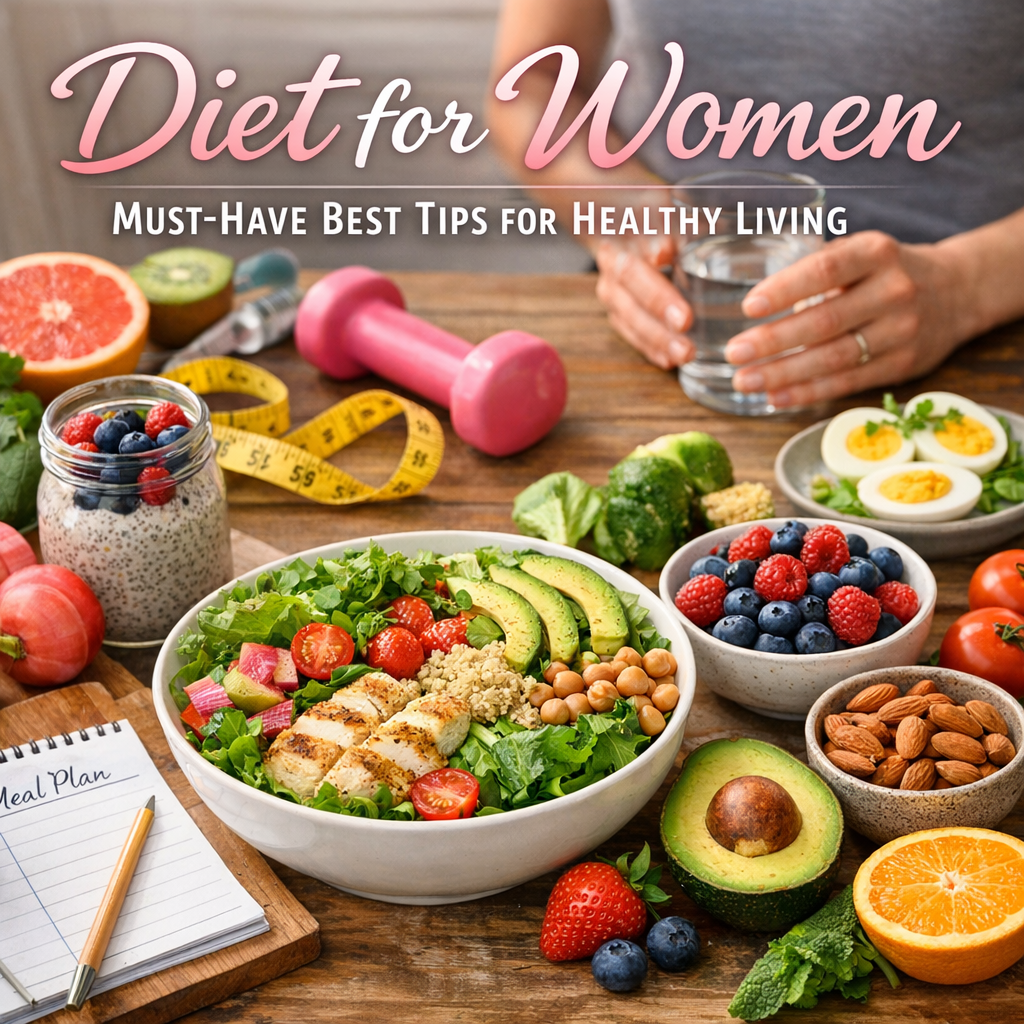
Diet for Women: Must-Have Best Tips for Healthy Living
Diet for women plays a major role in overall health, energy levels, hormonal balance, and long-term wellness. From the teenage years to menopause and beyond, nutritional needs change over time, which makes it important to build eating habits that support every stage of life. A healthy approach is not about strict rules or extreme restriction. Instead, it focuses on balanced meals, smart food choices, and consistency.
Why a Balanced Diet Matters for Women
Women often have unique nutritional needs compared to men. Hormonal shifts, menstruation, pregnancy, breastfeeding, and menopause can all affect the body’s demand for certain vitamins and minerals. A well-planned eating pattern can help support:
– Healthy metabolism
– Strong bones and muscles
– Better mood and mental clarity
– Stable energy throughout the day
– Improved skin and hair health
– Lower risk of heart disease, diabetes, and osteoporosis
Rather than following fad diets, it is far more effective to create a routine built around nourishing foods that the body can rely on.
Best Diet for Women: Core Nutrition Principles
When building a healthy eating plan, focusing on food quality is just as important as quantity. The best approach includes a variety of whole foods from all major food groups.
1. Prioritize Protein at Every Meal
Protein supports muscle maintenance, hormone production, and satiety. It also helps reduce cravings by keeping you full longer. Women should aim to include protein in breakfast, lunch, dinner, and even snacks when possible.
Good protein sources include:
– Eggs
– Greek yogurt
– Fish
– Chicken or turkey
– Beans and lentils
– Tofu and tempeh
– Nuts and seeds
Starting the day with protein instead of sugary foods can make a noticeable difference in focus and energy.
2. Choose Smart Carbohydrates
Carbohydrates are not the enemy. In fact, they are the body’s main source of energy. The key is to choose complex, fiber-rich carbs over refined and highly processed options.
Better carbohydrate choices include:
– Oats
– Brown rice
– Quinoa
– Sweet potatoes
– Whole grain bread
– Beans
– Fruits and vegetables
These foods provide lasting energy and help support digestion, blood sugar balance, and heart health.
3. Don’t Fear Healthy Fats
Healthy fats are essential for brain function, hormone health, and absorption of fat-soluble vitamins. Many women make the mistake of cutting fat too low, which can leave them feeling tired and unsatisfied.
Include healthy fats such as:
– Avocados
– Olive oil
– Fatty fish like salmon
– Chia seeds
– Flaxseeds
– Walnuts
– Almonds
A small amount of healthy fat in each meal can improve both flavor and nutrition.
Important Nutrients in a Diet for Women
Some nutrients deserve extra attention because women are more likely to fall short in them.
Iron
Iron is especially important for women during the reproductive years because of menstrual blood loss. Low iron may lead to fatigue, weakness, and poor concentration.
Iron-rich foods include:
– Lean red meat
– Spinach
– Lentils
– Pumpkin seeds
– Fortified cereals
– Beans
Pairing iron-rich foods with vitamin C sources like oranges, strawberries, or bell peppers can improve absorption.
Calcium and Vitamin D
These nutrients are vital for bone health. Since women are at greater risk of osteoporosis later in life, building strong bones early is essential.
Sources include:
– Milk, yogurt, and cheese
– Fortified plant milks
– Sardines
– Tofu
– Leafy greens
– Sunlight exposure for vitamin D
Folate
Folate is important for cell growth and is especially essential during childbearing years. It helps support a healthy pregnancy and overall cell function.
You can find folate in:
– Leafy green vegetables
– Beans
– Citrus fruits
– Avocados
– Fortified grains
Magnesium
Magnesium supports muscle function, sleep quality, mood, and energy production. Many women do not get enough of it.
Try adding:
– Dark leafy greens
– Nuts
– Seeds
– Whole grains
– Dark chocolate in moderation
Diet for Women at Different Life Stages
Nutritional needs change over time, so it helps to adjust eating habits based on age and lifestyle.
In the 20s and 30s
This is the time to build a strong foundation. Focus on balanced meals, enough protein, and nutrients that support reproductive health, skin, and energy. Avoid relying too heavily on convenience foods, sugary drinks, and skipped meals.
During Pregnancy and Breastfeeding
Calories and nutrient needs increase during this stage. Protein, folate, iron, calcium, omega-3 fats, and hydration become even more important. It is best to work with a healthcare provider to make sure both mother and baby are properly nourished.
In the 40s and 50s
As hormones begin to shift, many women notice changes in weight, sleep, and metabolism. Strength-supporting foods, fiber, and healthy fats can help. This is also a good time to reduce added sugars and highly processed snacks.
After Menopause
Bone health, heart health, and muscle preservation become major priorities. Protein, calcium, vitamin D, and anti-inflammatory foods like berries, fish, and vegetables can offer strong support.
Practical Healthy Eating Tips
A nutritious routine does not need to be complicated. Small daily choices can lead to lasting results.
Build Your Plate Simply
A balanced plate can look like this:
– Half vegetables and fruits
– One quarter lean protein
– One quarter whole grains or starchy vegetables
– A small portion of healthy fat
This method keeps meals satisfying and easy to plan.
Stay Hydrated
Water supports digestion, energy, skin health, and appetite regulation. Many women confuse thirst with hunger, leading to unnecessary snacking. Carrying a reusable water bottle can make hydration easier.
Limit Ultra-Processed Foods
Packaged snacks, sugary drinks, fast food, and heavily processed meals can be high in salt, sugar, and unhealthy fats. These foods can still fit occasionally, but they should not be the foundation of a healthy routine.
Eat Mindfully
Eating too quickly or while distracted can lead to overeating. Slow down, enjoy your meals, and pay attention to hunger and fullness cues.
Plan Ahead
Meal planning can reduce stress and make healthy eating more realistic. Preparing a few basics each week, such as cooked grains, chopped vegetables, boiled eggs, or grilled chicken, can save time and prevent impulsive choices.
Common Mistakes to Avoid
Many women try to improve their health but fall into patterns that make progress harder. Watch out for these common mistakes:
– Skipping meals to cut calories
– Eating too little protein
– Avoiding all fats
– Relying on detoxes or crash diets
– Ignoring sleep and stress, which affect appetite and metabolism
– Comparing your diet to someone else’s needs
Health is personal, and the best eating plan is one that fits your body, schedule, and goals.
Final Thoughts
A healthy eating pattern should feel supportive, realistic, and sustainable. The right food choices can help women feel stronger, more energized, and more balanced at every stage of life. Instead of chasing perfection, aim for consistency with whole foods, balanced meals, and habits you can maintain long term. Small improvements made daily often create the biggest and most lasting results.