- Why a Diet for Men Matters
- Key Principles of a Healthy Eating Plan
- 1. Prioritize Whole Foods
- 2. Eat Enough Protein
- 3. Do Not Fear Healthy Fats
- 4. Choose Smart Carbohydrates
- Best Foods to Include in a Diet for Men
- Fatty Fish
- Eggs
- Leafy Greens
- Oats
- Berries
- Nuts and Seeds
- Beans and Lentils
- Simple Meal Habits That Make a Big Difference
- Foods and Habits to Limit
- Diet for Men and Long-Term Wellness
- Final Thoughts
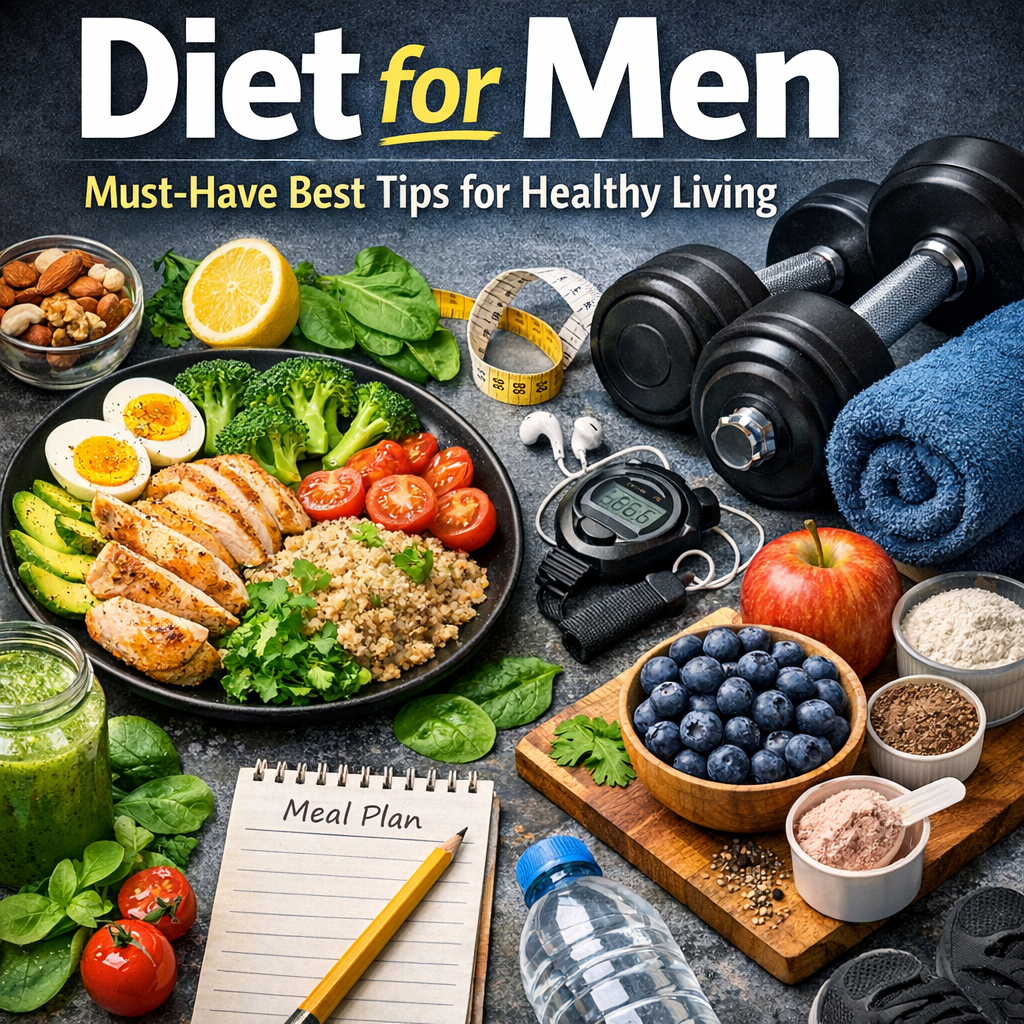
Diet for Men: Must-Have Best Tips for Healthy Living
Diet for men is not about strict rules, skipping meals, or following extreme trends. It is about building a practical way of eating that supports energy, muscle health, heart health, mental focus, and long-term wellness. Men often have unique nutritional needs based on age, activity level, stress, work routine, and health goals. A smart eating plan can help improve performance, maintain a healthy weight, and reduce the risk of common issues such as high blood pressure, diabetes, and heart disease.
Good nutrition also supports everyday life in simple ways. It can help men feel more productive at work, recover better after exercise, sleep more soundly, and stay active as they age. Instead of chasing quick fixes, the goal should be consistency. Small daily choices often make the biggest difference over time.
Why a Diet for Men Matters
Men may need more calories than women on average, especially if they are physically active, but quality matters just as much as quantity. A balanced routine should include enough protein, healthy fats, fiber, vitamins, and minerals to support both short-term energy and long-term health.
Some men focus only on protein and ignore other nutrients. While protein is important, it is only one piece of the puzzle. Fiber supports digestion and heart health. Healthy fats help hormone function and brain health. Complex carbohydrates provide steady energy. Micronutrients such as magnesium, potassium, vitamin D, and zinc also play important roles in muscle function, immunity, and overall performance.
A poor eating pattern can lead to fatigue, unwanted weight gain, low concentration, and higher health risks. In contrast, a well-planned approach helps build a stronger foundation for daily living.
Key Principles of a Healthy Eating Plan
The most effective strategy is one that is realistic and sustainable. Rather than aiming for perfection, focus on these core habits:
1. Prioritize Whole Foods
Choose foods that are as close to their natural state as possible. This includes:
– Lean meats, fish, eggs, and poultry
– Beans, lentils, and tofu
– Whole grains such as oats, brown rice, and quinoa
– Fruits and vegetables
– Nuts, seeds, and healthy oils
– Low-fat or unsweetened dairy options if tolerated
Whole foods typically provide more nutrients and fewer added sugars, sodium, and unhealthy fats than highly processed options.
2. Eat Enough Protein
Protein supports muscle repair, helps with satiety, and is important for healthy aging. Good sources include chicken, turkey, fish, eggs, Greek yogurt, cottage cheese, beans, lentils, and protein-rich plant foods.
Many men benefit from spreading protein across meals instead of eating most of it at dinner. For example, adding eggs or Greek yogurt at breakfast and lean protein at lunch can help maintain steady energy and support muscle health throughout the day.
3. Do Not Fear Healthy Fats
Healthy fats are essential, not optional. They support hormone production, heart health, and brain function. Include sources such as:
– Avocados
– Olive oil
– Nuts and seeds
– Fatty fish like salmon and sardines
Try to limit trans fats and reduce excessive intake of deep-fried foods and heavily processed snacks.
4. Choose Smart Carbohydrates
Carbohydrates are the body’s main energy source, especially for active men. The key is to choose quality sources like sweet potatoes, whole grains, beans, fruit, and vegetables rather than relying on sugary drinks, white bread, and desserts.
Smart carbohydrates provide lasting fuel and help prevent energy crashes.
Best Foods to Include in a Diet for Men
A strong diet for men should include foods that offer both nutrition and convenience. Here are some of the best options to keep in regular rotation:
Fatty Fish
Salmon, tuna, sardines, and mackerel provide omega-3 fatty acids, which support heart and brain health. These fats may also help reduce inflammation.
Eggs
Eggs are affordable, versatile, and rich in high-quality protein. They also contain important nutrients such as choline, which supports brain function.
Leafy Greens
Spinach, kale, and similar greens are packed with vitamins, minerals, and antioxidants. They support heart health, bone health, and recovery.
Oats
Oats are an excellent source of fiber and help promote fullness. They are a great breakfast option and can support healthy cholesterol levels.
Berries
Berries offer antioxidants and fiber while being naturally lower in sugar than many processed snacks. They are easy to add to yogurt, oats, or smoothies.
Nuts and Seeds
Almonds, walnuts, pumpkin seeds, and chia seeds provide healthy fats, protein, and minerals. They make a great snack when eaten in reasonable portions.
Beans and Lentils
These are excellent for fiber, plant-based protein, and steady energy. They are especially helpful for heart health and digestive support.
Simple Meal Habits That Make a Big Difference
Healthy eating becomes easier when built around simple routines. Here are practical tips men can follow:
– Start the day with a balanced breakfast instead of just coffee
– Include a source of protein in every meal
– Fill half the plate with vegetables when possible
– Drink more water throughout the day
– Keep healthy snacks available to avoid impulse eating
– Plan meals ahead for busy workdays
– Watch portion sizes, especially with takeout and restaurant meals
Meal timing can also matter. Going too long without eating may lead to overeating later. For many men, regular meals and one or two healthy snacks work better than long gaps followed by large portions.
Foods and Habits to Limit
A healthy lifestyle does not require completely avoiding favorite foods, but moderation is important. Try to reduce:
– Sugary drinks
– Excess alcohol
– Processed meats
– Fast food eaten too often
– Packaged snacks high in salt and unhealthy fats
– Large late-night meals
It also helps to pay attention to hidden calories from sauces, flavored coffees, and frequent snacking.
Diet for Men and Long-Term Wellness
A good diet for men should change as life changes. Younger men may focus on performance and muscle building, while older men may pay more attention to heart health, blood sugar control, and maintaining muscle mass. In every stage, the basics remain the same: eat balanced meals, stay active, sleep well, and manage stress.
Nutrition works best when combined with other healthy habits. Regular exercise, enough sleep, and stress management all influence appetite, metabolism, and overall health. When these factors work together, the results are more powerful than diet alone.
Final Thoughts
Healthy eating does not have to be complicated. The best approach is one that fits real life and can be maintained for years, not just weeks. Focus on whole foods, balanced meals, smart portions, and consistency. Small upgrades like drinking more water, eating more vegetables, and choosing better snacks can create major improvements over time.
When men treat nutrition as a long-term investment rather than a short-term challenge, they are more likely to feel stronger, think more clearly, and protect their health for the future.