- Why Daily Nutrition Matters
- The Core of a Balanced Plate
- Easy Daily Nutrition Habits That Actually Work
- 1. Start with a nourishing breakfast
- 2. Don’t skip protein
- 3. Add color to your plate
- 4. Keep healthy snacks available
- 5. Drink enough water
- Daily Nutrition for Busy Lifestyles
- Common Mistakes That Affect Daily Nutrition
- Eating too little during the day
- Relying heavily on ultra-processed foods
- Ignoring fiber
- Forgetting healthy fats
- Treating healthy eating as all-or-nothing
- How to Make Daily Nutrition Feel Effortless
- A Simple Daily Nutrition Routine to Follow
- Final Thoughts
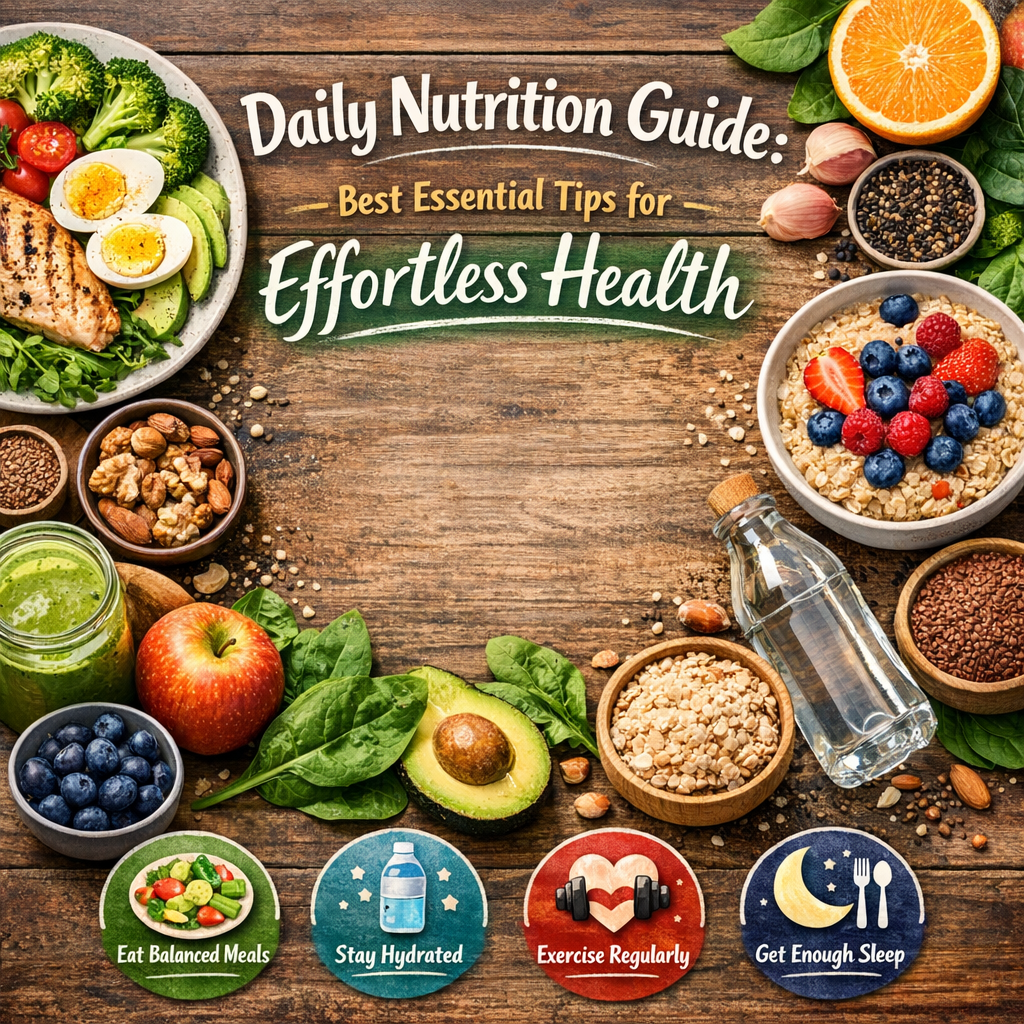
Daily Nutrition Guide: Best Essential Tips for Effortless Health
Daily nutrition is not about following a perfect diet or counting every calorie. It is about building simple, repeatable habits that give your body the fuel it needs to function well every day. When meals are balanced and consistent, you are more likely to have steady energy, better focus, improved digestion, and long-term support for overall wellness. The good news is that healthy eating does not need to feel complicated. A few practical choices can make a major difference.
Why Daily Nutrition Matters
The food you eat affects nearly every system in your body. It supports your brain, muscles, immune system, hormones, and metabolism. Good nutrition also plays a role in mood, sleep quality, and the ability to recover from stress.
Many people think healthy eating requires expensive ingredients or strict rules. In reality, the most effective approach is usually the simplest one: choose a variety of nutrient-rich foods, eat regularly, and stay mindful of portion balance. A strong routine helps reduce decision fatigue and makes healthy choices easier over time.
The Core of a Balanced Plate
A useful way to improve your eating habits is to think in terms of balance rather than restriction. A balanced plate often includes:
– Protein: chicken, fish, eggs, beans, tofu, yogurt, lentils
– Complex carbohydrates: oats, brown rice, quinoa, potatoes, whole grain bread
– Healthy fats: avocado, nuts, seeds, olive oil
– Fiber-rich vegetables and fruits: leafy greens, berries, carrots, broccoli, apples
Each of these food groups has a purpose. Protein helps repair tissues and keeps you full. Carbohydrates provide energy, especially for the brain and muscles. Healthy fats support hormone production and help absorb fat-soluble vitamins. Fruits and vegetables deliver vitamins, minerals, antioxidants, and fiber.
Instead of trying to eat “perfectly,” aim to include at least three of these components in most meals. That alone can improve satisfaction and nutritional quality.
Easy Daily Nutrition Habits That Actually Work
The best health habits are the ones you can maintain. Here are simple strategies that fit into real life:
1. Start with a nourishing breakfast
A balanced breakfast can help stabilize energy and prevent overeating later in the day. Try options like:
– Oatmeal with nuts and fruit
– Greek yogurt with berries and seeds
– Eggs with whole grain toast and vegetables
2. Don’t skip protein
Protein supports fullness and muscle maintenance. Including some at each meal can help control hunger and keep energy more stable.
3. Add color to your plate
Different colors often reflect different nutrients. A colorful plate naturally increases vitamin and antioxidant intake.
4. Keep healthy snacks available
When hunger hits, convenience matters. Easy snack ideas include:
– Fruit with nut butter
– Hummus with carrots
– Cottage cheese with cucumber
– A handful of nuts and a banana
5. Drink enough water
Hydration is often overlooked, but it is essential for digestion, energy, and concentration. If plain water feels boring, add lemon, cucumber, or mint.
Daily Nutrition for Busy Lifestyles
One of the biggest barriers to eating well is time. Busy schedules can lead to skipped meals, takeout, or heavily processed snacks. The solution is not perfection, but preparation.
A few ways to stay on track include:
– Meal prep basic ingredients: Cook rice, roast vegetables, or prepare protein in advance.
– Build simple repeat meals: For example, grain bowls, salads, wraps, or stir-fries.
– Stock smart staples: Canned beans, frozen vegetables, eggs, tuna, oats, and yogurt can help you create quick meals.
– Use a flexible formula: Protein + fiber + healthy fat is a reliable guide for both meals and snacks.
Even a ten-minute preparation habit can reduce stress and support better choices throughout the week.
Common Mistakes That Affect Daily Nutrition
Many people unintentionally make food choices that leave them feeling tired or unsatisfied. Some common issues include:
Eating too little during the day
Skipping meals can lead to low energy, irritability, and overeating later. Regular meals help your body stay steady.
Relying heavily on ultra-processed foods
Convenient foods can fit into a balanced diet, but if they become the main source of nutrition, it may reduce fiber, protein, and micronutrient intake.
Ignoring fiber
Fiber supports digestion, blood sugar balance, and fullness. Good sources include beans, vegetables, fruit, oats, and whole grains.
Forgetting healthy fats
Low-fat eating is not always healthier. Your body needs fat for brain function, hormone health, and nutrient absorption.
Treating healthy eating as all-or-nothing
One less balanced meal does not ruin your progress. Consistency matters more than perfection.
How to Make Daily Nutrition Feel Effortless
Healthy eating becomes easier when it is built into your environment. Instead of relying on motivation alone, create systems that support your goals.
Here are some helpful ideas:
– Keep washed fruit visible in the kitchen
– Store cut vegetables at eye level in the fridge
– Carry portable snacks when leaving home
– Plan two or three easy meals you know you enjoy
– Use a grocery list focused on basics rather than impulse buys
It also helps to focus on what you can add rather than what you should remove. For example, add an extra serving of vegetables, include more water, or choose a protein-rich snack. Positive changes often feel more manageable than strict limitations.
A Simple Daily Nutrition Routine to Follow
If you want an easy framework, try this:
Morning:
Start with water, then eat a breakfast that includes protein and fiber.
Midday:
Choose a lunch with vegetables, protein, and a satisfying carbohydrate source.
Afternoon:
Have a balanced snack if needed, especially if dinner is several hours away.
Evening:
Build dinner around protein, vegetables, and a healthy fat. Add a whole grain or starch based on your hunger and activity level.
Throughout the day:
Drink water regularly and pay attention to hunger and fullness cues.
This routine is flexible enough to adapt to different cultures, schedules, and food preferences.
Final Thoughts
Improving the way you eat does not require a dramatic overhaul. Small, steady habits often create the strongest results. By focusing on balanced meals, simple preparation, hydration, and consistency, you can support better energy, health, and well-being without making food feel stressful.
The most effective approach is one that feels realistic for your lifestyle. Start with one or two changes, repeat them daily, and let those habits build over time. When healthy choices become easier to maintain, nutrition stops feeling like a challenge and starts becoming a natural part of everyday life.