- Why a Healthy Meal Plan Matters
- What Makes a Healthy Meal Plan Balanced?
- 1. Protein
- 2. Fiber-Rich Carbohydrates
- 3. Healthy Fats
- 4. Fruits and Vegetables
- How to Build a Healthy Meal Plan Without Overcomplicating It
- Start With Your Schedule
- Choose a Few Core Meals
- Prep a Few Basics
- Healthy Meal Plan Ideas for Busy Weeks
- Quick Breakfast Options
- Easy Lunch Choices
- Simple Dinners
- Smart Snacks
- Grocery Shopping Tips That Make Planning Easier
- Common Mistakes to Avoid
- Make Your Routine Work for Real Life
- Final Thoughts
Healthy Meal Plan: Best Must-Have Guide for Effortless Eating
Healthy meal plan habits can make everyday eating feel simpler, more affordable, and far less stressful. Instead of wondering what to cook at the last minute or reaching for whatever is easiest, a little planning helps you enjoy balanced meals that support your energy, mood, and overall well-being. The good news is that meal planning does not have to be strict, complicated, or time-consuming. With the right approach, it becomes a practical tool that fits into real life.
Why a Healthy Meal Plan Matters
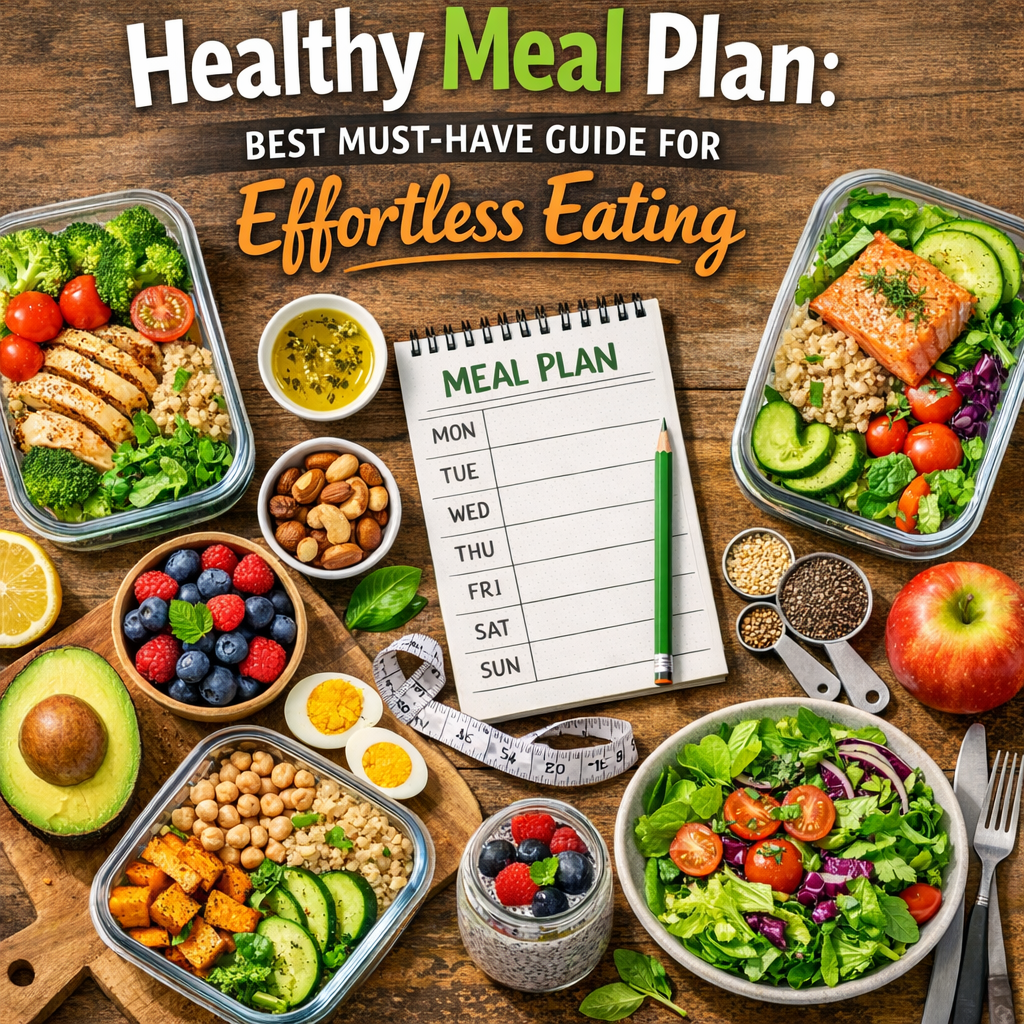
A thoughtful eating routine does more than fill your plate. It helps create consistency, which is one of the biggest keys to long-term wellness. When you plan ahead, you are more likely to include a good mix of protein, fiber, healthy fats, fruits, and vegetables throughout the week.
There are several benefits to building a simple weekly routine around meals:
– Saves time: You spend less time deciding what to eat each day.
– Reduces food waste: Buying ingredients with a purpose helps you use what you have.
– Supports better nutrition: Planned meals often include more balanced choices.
– Helps your budget: Fewer impulse purchases and takeout orders can reduce spending.
– Lowers stress: Having meals ready or partially prepared makes busy days easier.
A realistic plan also gives you flexibility. It is not about perfection. It is about making eating well more manageable.
What Makes a Healthy Meal Plan Balanced?
A balanced plate usually includes a few essential components. When these are combined thoughtfully, meals become more satisfying and nourishing.
1. Protein
Protein helps with fullness, muscle maintenance, and steady energy. Good options include:
– Eggs
– Chicken or turkey
– Fish
– Greek yogurt
– Beans and lentils
– Tofu or tempeh
– Cottage cheese
2. Fiber-Rich Carbohydrates
Carbohydrates are not the enemy. Choosing high-fiber sources can support digestion and longer-lasting energy. Try:
– Oats
– Brown rice
– Quinoa
– Sweet potatoes
– Whole grain bread
– Whole wheat pasta
– Beans and legumes
3. Healthy Fats
Healthy fats can help meals feel more satisfying and flavorful. Examples include:
– Avocados
– Nuts and seeds
– Olive oil
– Nut butters
– Fatty fish like salmon
4. Fruits and Vegetables
These provide vitamins, minerals, antioxidants, and fiber. Aim for variety and color throughout the week. Frozen produce can be just as useful as fresh and often lasts longer.
How to Build a Healthy Meal Plan Without Overcomplicating It
One of the biggest mistakes people make is trying to plan every detail perfectly. A better strategy is to keep the structure simple.
Start With Your Schedule
Look at your week before deciding on meals. Ask yourself:
– Which days are busiest?
– When will I have time to cook?
– Do I need leftovers for lunch?
– Are there any meals I will eat away from home?
This helps you match your meals to your actual routine rather than an idealized version of it.
Choose a Few Core Meals
Pick 2 to 3 breakfast ideas, 2 to 3 lunch options, and 3 to 4 dinners for the week. Repeating meals is not boring when it makes life easier. In fact, keeping a small rotation of reliable favorites can make planning much faster.
For example:
Breakfasts
– Greek yogurt with berries and nuts
– Oatmeal with banana and peanut butter
– Eggs with toast and spinach
Lunches
– Turkey wrap with veggies
– Grain bowl with quinoa, beans, and roasted vegetables
– Leftovers from dinner
Dinners
– Baked salmon with rice and broccoli
– Stir-fry with chicken or tofu and vegetables
– Lentil soup with whole grain toast
– Taco bowls with lean protein, beans, salsa, and avocado
Prep a Few Basics
You do not need to meal prep every meal in containers if that does not appeal to you. Instead, prepare a few building blocks:
– Wash and chop vegetables
– Cook a batch of grains
– Roast a tray of vegetables
– Prepare a protein source
– Portion snacks in advance
This gives you flexibility while still saving time.
Healthy Meal Plan Ideas for Busy Weeks
If your schedule is packed, focus on meals that are quick, filling, and easy to assemble. Here are a few ideas that work well even on hectic days.
Quick Breakfast Options
– Overnight oats with fruit
– Smoothie with protein, spinach, and frozen berries
– Whole grain toast with avocado and eggs
– Cottage cheese with pineapple and seeds
Easy Lunch Choices
– Rotisserie chicken salad
– Hummus wrap with cucumbers, carrots, and greens
– Rice bowl with black beans, salsa, and avocado
– Soup paired with a side salad
Simple Dinners
– Sheet pan chicken with potatoes and green beans
– Pasta with vegetables and grilled shrimp
– Chili made with beans and lean ground turkey
– Veggie omelet with roasted sweet potatoes
Smart Snacks
Snacks can help maintain energy between meals when chosen well. Keep options simple:
– Apple with peanut butter
– Carrots and hummus
– Mixed nuts
– Boiled eggs
– Yogurt with fruit
Grocery Shopping Tips That Make Planning Easier
A good plan becomes much easier when your grocery list is organized. Before shopping, check what you already have at home. Then build a list based on the meals you selected.
A helpful method is to shop by category:
– Proteins: eggs, chicken, beans, yogurt
– Grains and starches: oats, rice, whole grain bread, potatoes
– Produce: leafy greens, berries, bananas, peppers, broccoli
– Healthy fats: olive oil, nuts, avocado
– Extras: herbs, spices, broth, sauces
Try not to buy ingredients without a purpose. A smaller, focused list often leads to less waste and a more practical week of eating.
Common Mistakes to Avoid
Even the best intentions can fall apart if a plan is too rigid. Here are a few common meal-planning mistakes:
– Planning meals that are too complicated
– Buying too much fresh produce without a use for it
– Forgetting snacks or quick backup meals
– Not allowing flexibility for changing plans
– Skipping foods you genuinely enjoy
A sustainable approach should include foods you like. Healthy eating works best when it feels satisfying, not restrictive.
Make Your Routine Work for Real Life
The best approach is the one you can repeat. Some weeks you may cook often, and other weeks you may rely on shortcuts like frozen vegetables, canned beans, pre-washed greens, or rotisserie chicken. That is still planning, and it still counts.
It can also help to create a short list of “emergency meals” for days when things do not go as expected. Examples include scrambled eggs with toast, soup with a sandwich, or a grain bowl made from leftovers. These options can prevent the need for last-minute unhealthy choices.
Final Thoughts
Creating a better weekly eating routine does not require strict rules or hours in the kitchen. A practical system built around simple ingredients, balanced meals, and realistic preparation can make everyday life much easier. When you focus on consistency over perfection, eating well becomes less of a challenge and more of a natural habit.
A strong plan should support your schedule, your preferences, and your energy needs. Start small, keep it flexible, and build from there. Over time, even a few intentional choices each week can lead to healthier eating that feels effortless and sustainable.