- Why a Balanced Diet Matters
- Balanced Diet Guide: The Core of Healthy Eating
- Choose Whole Foods More Often
- Do Not Fear Healthy Fats
- Make Protein Part of Every Meal
- Stay Hydrated Throughout the Day
- Watch Portions Without Obsessing
- Plan Ahead for Consistency
- Allow Flexibility and Enjoyment
- Final Thoughts
Balanced Diet Guide: Must-Have Tips for Better Health
Balanced diet guide principles can make healthy eating feel less confusing and far more practical. Instead of following extreme food rules or short-term trends, the goal is to build daily habits that give your body the nutrients it needs to function well. A balanced approach supports energy levels, immune health, digestion, mood, and long-term wellness. When meals are thoughtfully planned, eating well becomes easier, more enjoyable, and more sustainable.
Why a Balanced Diet Matters
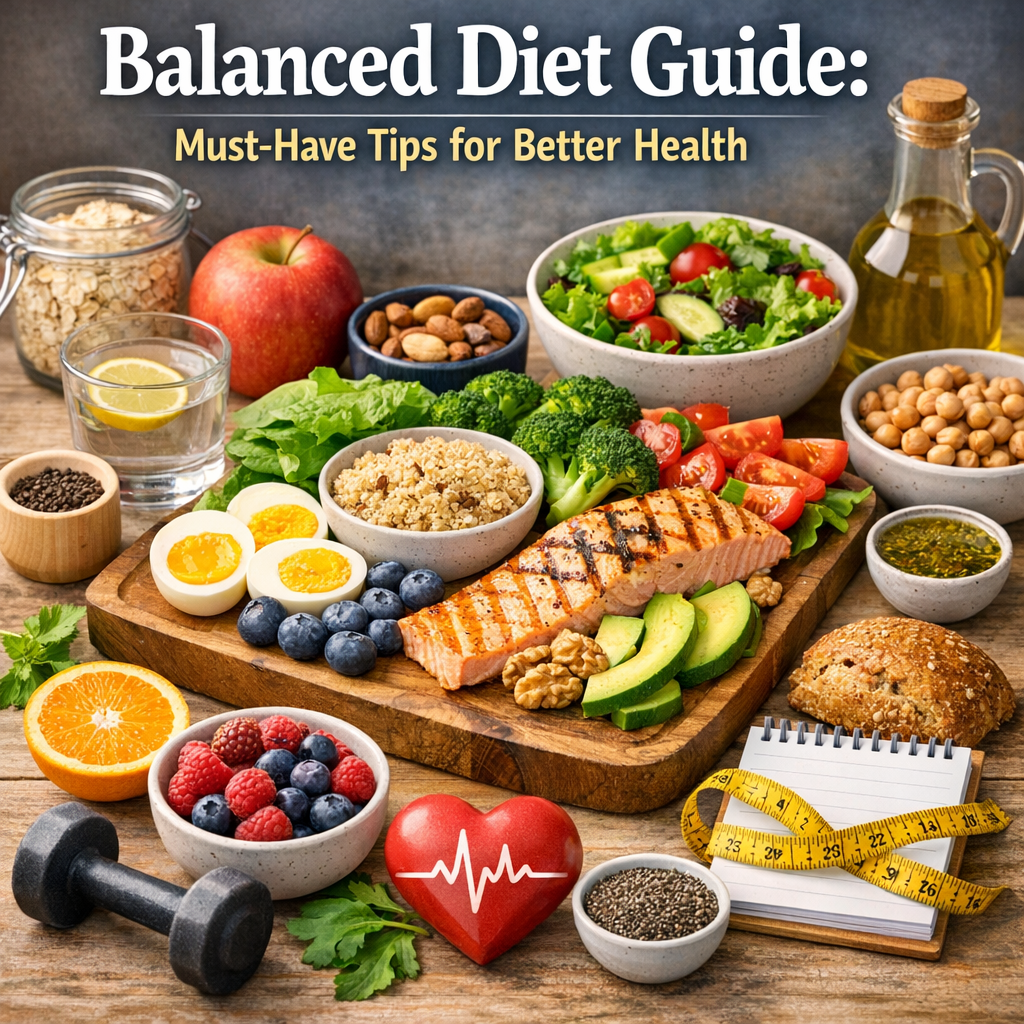
A balanced diet is not about perfection. It is about giving your body a steady supply of essential nutrients, including carbohydrates, protein, healthy fats, vitamins, minerals, and fiber. Each of these plays a specific role in keeping you healthy.
Carbohydrates provide energy for daily activities and brain function. Protein helps repair tissues and supports muscle health. Healthy fats are important for hormones, brain performance, and nutrient absorption. Vitamins and minerals help with countless body processes, from bone strength to immune defense. Fiber supports digestion and helps you feel full longer.
When one or more of these nutrients are missing for long periods, the body may respond with fatigue, poor concentration, weakened immunity, digestive issues, and cravings. That is why balance is more effective than restriction.
Balanced Diet Guide: The Core of Healthy Eating
A practical balanced diet guide starts with variety. No single food contains everything the body needs, so eating different food groups is essential. A simple way to build balanced meals is to use the plate method:
– Fill half your plate with vegetables and fruits
– Fill one quarter with lean protein
– Fill one quarter with whole grains or healthy carbohydrates
– Add a small portion of healthy fats
This visual method makes meal planning much easier without needing to count every calorie. It also encourages better portion awareness while keeping meals satisfying.
Some examples of balanced meals include:
– Grilled chicken with brown rice, roasted vegetables, and avocado
– Oatmeal topped with berries, nuts, and yogurt
– Baked salmon with quinoa and a side salad
– Lentil soup with whole grain toast and mixed greens
– Stir-fried tofu with vegetables and rice
The key is to combine nutrients in a way that keeps you full, energized, and nourished.
Choose Whole Foods More Often
One of the best tips for better health is to prioritize whole foods. These are foods that are minimally processed and closer to their natural state. They usually provide more nutrients and less added sugar, sodium, and unhealthy fats.
Whole foods include:
– Fresh fruits and vegetables
– Whole grains like oats, brown rice, and quinoa
– Beans, lentils, and peas
– Nuts and seeds
– Eggs
– Fish and lean meats
– Plain yogurt and milk
Highly processed foods are not always off-limits, but they should not dominate your diet. Packaged snacks, sugary drinks, fast food, and heavily refined products can be convenient, but regular overconsumption may affect weight, blood sugar, and heart health.
A helpful strategy is to shop mostly around the outer sections of the grocery store, where fresh ingredients are often found.
Do Not Fear Healthy Fats
Many people still think fat should be avoided, but healthy fats are an important part of a balanced eating plan. They help support cell function, brain health, and the absorption of fat-soluble vitamins such as A, D, E, and K.
Good sources of healthy fats include:
– Avocados
– Olive oil
– Nuts and nut butters
– Seeds like chia and flax
– Fatty fish such as salmon, sardines, and mackerel
The goal is not to eat unlimited fat, but to choose better sources and use them in sensible amounts.
Make Protein Part of Every Meal
Protein helps you stay full and supports muscle maintenance, especially as you age. Including protein in each meal can also reduce overeating and snacking later in the day.
Healthy protein options include:
– Chicken or turkey
– Fish
– Eggs
– Greek yogurt
– Cottage cheese
– Tofu and tempeh
– Beans and lentils
For snacks, try pairing protein with fiber for better satisfaction. Apple slices with peanut butter, yogurt with fruit, or hummus with vegetables are all smart choices.
Stay Hydrated Throughout the Day
Good nutrition is not just about food. Hydration affects energy, digestion, concentration, and physical performance. Water is the best option for most people, and many individuals do not drink enough of it.
To improve hydration:
– Keep a water bottle nearby
– Drink water with meals
– Choose water instead of sugary drinks more often
– Eat water-rich foods like cucumber, melon, and oranges
If plain water feels boring, add lemon, mint, or berries for flavor without excess sugar.
Watch Portions Without Obsessing
Portion control matters, but it should not feel stressful. Even healthy foods can lead to overeating when portions become too large. Instead of measuring every bite, pay attention to hunger and fullness cues.
Simple ways to manage portions include:
– Eat slowly and without distractions
– Use smaller plates if needed
– Serve food in the kitchen instead of family-style at the table
– Pause before taking a second helping
– Focus on satisfaction, not stuffed fullness
Mindful eating can improve your relationship with food while helping you make better choices naturally.
Plan Ahead for Consistency
Healthy eating becomes much easier when you plan ahead. Busy schedules often lead to skipped meals or last-minute choices that are less nutritious. A little preparation can make a major difference.
Try these planning tips:
– Write a simple meal list for the week
– Keep healthy snacks available
– Prep vegetables, grains, or proteins in advance
– Cook larger portions for leftovers
– Stock your kitchen with staple ingredients
Consistency matters more than perfection. Even small improvements, repeated over time, create meaningful results.
Allow Flexibility and Enjoyment
A truly healthy diet includes enjoyment. If eating well feels too strict, it becomes harder to maintain. There is room for favorite treats and social meals within a balanced lifestyle.
Rather than labeling foods as “good” or “bad,” think in terms of frequency and portion. Nutritious foods should make up most of your intake, while less nutritious options can still fit occasionally. This mindset reduces guilt and makes healthy eating more realistic.
Final Thoughts
Following a balanced approach to food can improve your health without making life complicated. By focusing on whole foods, smart meal structure, hydration, portion awareness, and consistency, you can create habits that support both short-term energy and long-term wellness. The most effective eating plan is one you can maintain, enjoy, and adapt to your daily life. A balanced diet is not a temporary fix—it is a practical foundation for better health every day.