- Why Food Choices Matter More Than Trends
- Eating Insights for Building Better Daily Habits
- 1. Start with balanced meals
- 2. Do not skip breakfast if you need morning fuel
- 3. Eat slowly and pay attention
- Smart Eating Insights for Long-Term Health
- Focus on whole foods more often
- Keep fiber high
- Watch added sugar without becoming obsessive
- Hydration Is Part of Healthy Eating
- Planning Ahead Makes Healthy Choices Easier
- Healthy Living Also Means Flexibility
- Listening to Your Body Is One of the Best Eating Insights
- Final Thoughts
Eating Insights: Best Must-Have Tips for Healthy Living
Eating insights can completely change the way you think about food, health, and everyday energy. Healthy living is not about strict rules, skipping your favorite meals, or chasing short-term diets. It is about understanding how food supports your body, your mood, and your long-term well-being. When you learn a few practical habits and apply them consistently, eating well becomes simpler, more enjoyable, and far more sustainable.
Why Food Choices Matter More Than Trends
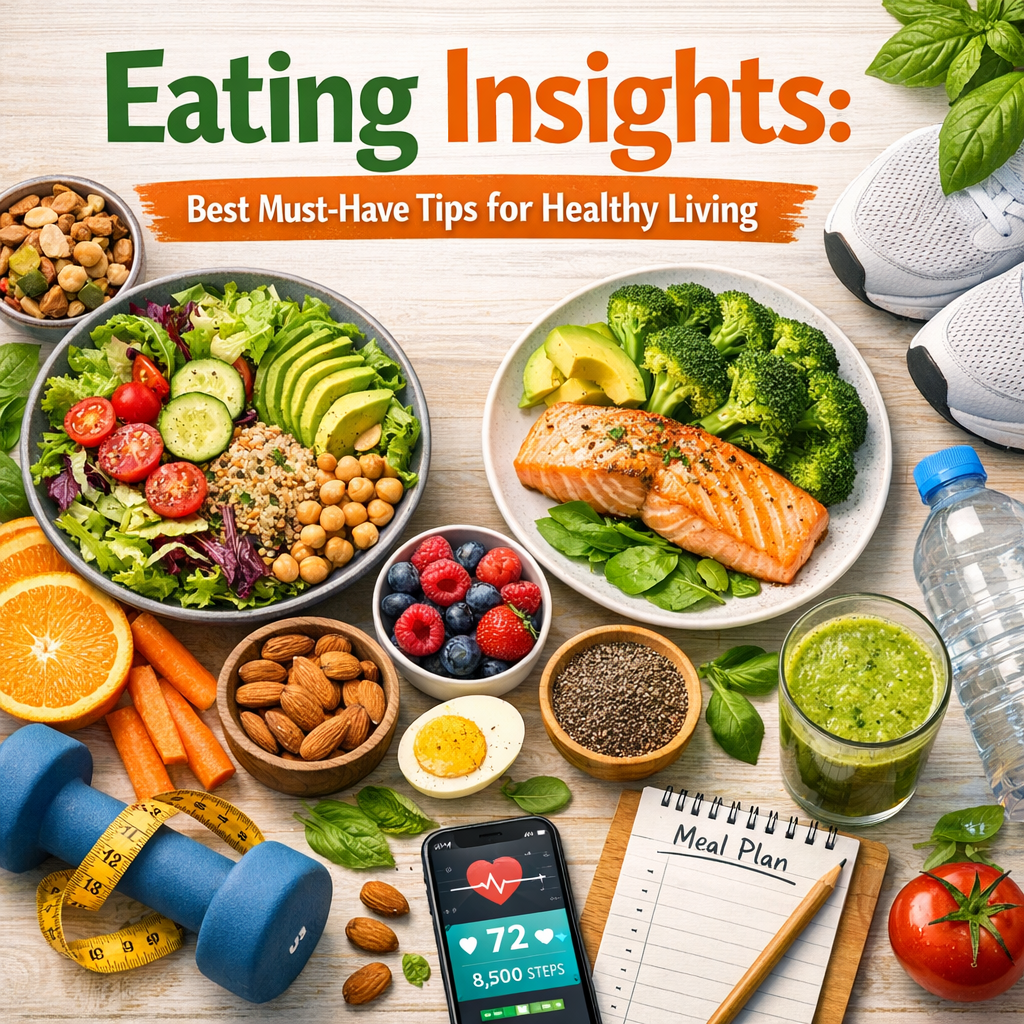
In a world full of diet plans, detox promises, and social media advice, it can be hard to know what actually works. The truth is that healthy eating usually comes back to a few timeless basics: balance, variety, moderation, and consistency.
Your body needs carbohydrates for energy, protein for repair and strength, healthy fats for brain and hormone function, and vitamins and minerals for countless processes that keep you feeling well. When your meals regularly include these essentials, you are more likely to have stable energy, better digestion, improved focus, and stronger overall health.
Instead of asking whether a food is simply “good” or “bad,” it helps to ask a better question: How does this fit into an overall healthy pattern? That mindset leads to smarter decisions without guilt or confusion.
Eating Insights for Building Better Daily Habits
One of the best ways to improve your health is to focus on small habits that fit naturally into your lifestyle. Big change often starts with simple, repeatable actions.
1. Start with balanced meals
A balanced meal does not need to be complicated. A useful approach is to fill your plate with:
– Half vegetables and fruits
– One quarter lean protein
– One quarter whole grains or healthy carbohydrates
– A small amount of healthy fat
This method helps you create meals that are filling, colorful, and nutrient-rich. It also reduces the chances of overeating highly processed foods that leave you unsatisfied soon after eating.
2. Do not skip breakfast if you need morning fuel
Some people do well with a later first meal, while others feel better eating early. The key is to pay attention to your body. If you wake up hungry or lose energy quickly in the morning, a balanced breakfast can help. Options like oatmeal with fruit and nuts, eggs with whole-grain toast, or yogurt with seeds and berries offer a strong nutritional start.
3. Eat slowly and pay attention
Mindful eating is one of the most underrated health habits. When you eat too quickly, it becomes harder to notice hunger and fullness signals. Slowing down helps you enjoy food more and often prevents unnecessary overeating.
Try these simple steps:
– Sit down while eating
– Put your phone away when possible
– Chew thoroughly
– Pause midway through your meal to check if you are still hungry
These small shifts can have a surprisingly strong impact.
Smart Eating Insights for Long-Term Health
Healthy living is not only about what you eat today. It is also about choosing patterns that support your body over time.
Focus on whole foods more often
Whole foods are foods that are close to their natural state. These include:
– Fresh fruits
– Vegetables
– Beans and legumes
– Whole grains
– Nuts and seeds
– Eggs
– Fish
– Plain dairy or dairy alternatives
– Lean meats
These foods tend to provide more nutrients and fiber than heavily processed options. That does not mean processed foods must be eliminated completely, but making whole foods the foundation of your diet is one of the smartest moves for long-term wellness.
Keep fiber high
Fiber supports digestion, helps control blood sugar, and can help you feel full longer. Many people do not get enough of it. Increasing fiber can be as easy as:
– Choosing brown rice or oats instead of refined grains
– Adding beans to soups or salads
– Eating fruit instead of only drinking juice
– Including vegetables in both lunch and dinner
A fiber-rich diet supports both gut health and heart health, making it a major part of healthy living.
Watch added sugar without becoming obsessive
Sugar itself is not the enemy, but too much added sugar can contribute to low energy, blood sugar swings, and unwanted weight gain over time. Many packaged foods and drinks contain more sugar than people realize.
A practical tip is to reduce the most obvious sources first:
– Sugary drinks
– Sweetened coffee beverages
– Candy and frequent desserts
– Sweet breakfast cereals
You do not have to remove all treats. The goal is to create a better balance.
Hydration Is Part of Healthy Eating
People often focus only on food and forget how important hydration is. Water helps with digestion, circulation, body temperature regulation, and energy levels. Sometimes what feels like hunger is actually thirst.
To stay hydrated:
– Carry a water bottle with you
– Drink water with meals
– Add lemon, cucumber, or mint if plain water feels boring
– Increase fluids during exercise or hot weather
Herbal teas, water-rich fruits, and soups can also help you meet your fluid needs.
Planning Ahead Makes Healthy Choices Easier
Good intentions are useful, but healthy habits are easier to maintain when you plan ahead. Busy schedules often lead to skipped meals, takeout, or random snacking. A little preparation can make a big difference.
Try these simple planning strategies:
– Make a grocery list before shopping
– Prep cut vegetables or fruit in advance
– Cook extra portions for future meals
– Keep healthy snacks nearby, such as nuts, boiled eggs, yogurt, or fruit
– Store quick meal ingredients at home, like canned beans, frozen vegetables, tuna, or whole grains
When healthy options are accessible, you are much more likely to choose them.
Healthy Living Also Means Flexibility
A common mistake is thinking healthy eating has to be perfect. It does not. In fact, an overly rigid approach often leads to frustration and burnout. Real healthy living includes flexibility, enjoyment, and room for social meals, celebrations, and favorite comfort foods.
Think in terms of patterns, not isolated meals. One rich dinner does not ruin your health, just as one salad does not transform it overnight. What matters most is what you do most of the time.
This flexible mindset is often the difference between temporary effort and lasting success.
Listening to Your Body Is One of the Best Eating Insights
Your body gives constant feedback. Energy dips, bloating, cravings, mood changes, and sleep quality can all reflect what and how you eat. Learning to notice these signals helps you make more personalized choices.
Ask yourself:
– Which meals keep me full and focused?
– What foods leave me sluggish?
– Am I eating because I am hungry, stressed, bored, or tired?
– Do I feel better with lighter dinners or larger lunches?
There is no one-size-fits-all formula. The more you observe your own patterns, the easier it becomes to create a routine that supports your health naturally.
Final Thoughts
Healthy living starts with awareness, not perfection. The most useful approach is to build a strong foundation: balanced meals, enough water, more whole foods, better planning, and mindful eating habits. These practical steps are not extreme, but they are powerful.
When you apply thoughtful eating habits consistently, your body responds. You feel more energized, more in control, and more connected to what truly supports your well-being. Small daily choices may seem simple, but over time, they create meaningful results.