- Why Healthy Eating Is Evolving
- Food Trends Shaping Better Living
- 1. Plant-Forward Eating
- 2. High-Protein Choices With Better Balance
- 3. Gut-Friendly Foods
- 4. Smart Snacking
- Food Trends in Everyday Meals
- Build a Better Breakfast
- Upgrade Lunch With Whole Ingredients
- Make Dinner Simpler and More Nutritious
- Popular Ingredients Worth Adding to Your Routine
- How to Make Healthy Eating Last
- A Fresh Approach to Better Living
Smarter Ways to Eat Well Every Day
Food trends are doing more than shaping restaurant menus and social media feeds—they are changing the way people think about health, energy, and long-term well-being. Today’s eating habits are less about strict dieting and more about balance, quality, and making practical choices that support a better lifestyle. From plant-forward meals to mindful snacking, healthy eating has become more creative, flexible, and enjoyable than ever before.
People are increasingly looking for foods that do more than just fill them up. They want meals that improve focus, support digestion, boost immunity, and fit naturally into busy schedules. The most popular ideas right now are not about deprivation. Instead, they center on adding more nutrient-rich ingredients, building sustainable habits, and making healthy food appealing and realistic for everyday life.
Why Healthy Eating Is Evolving
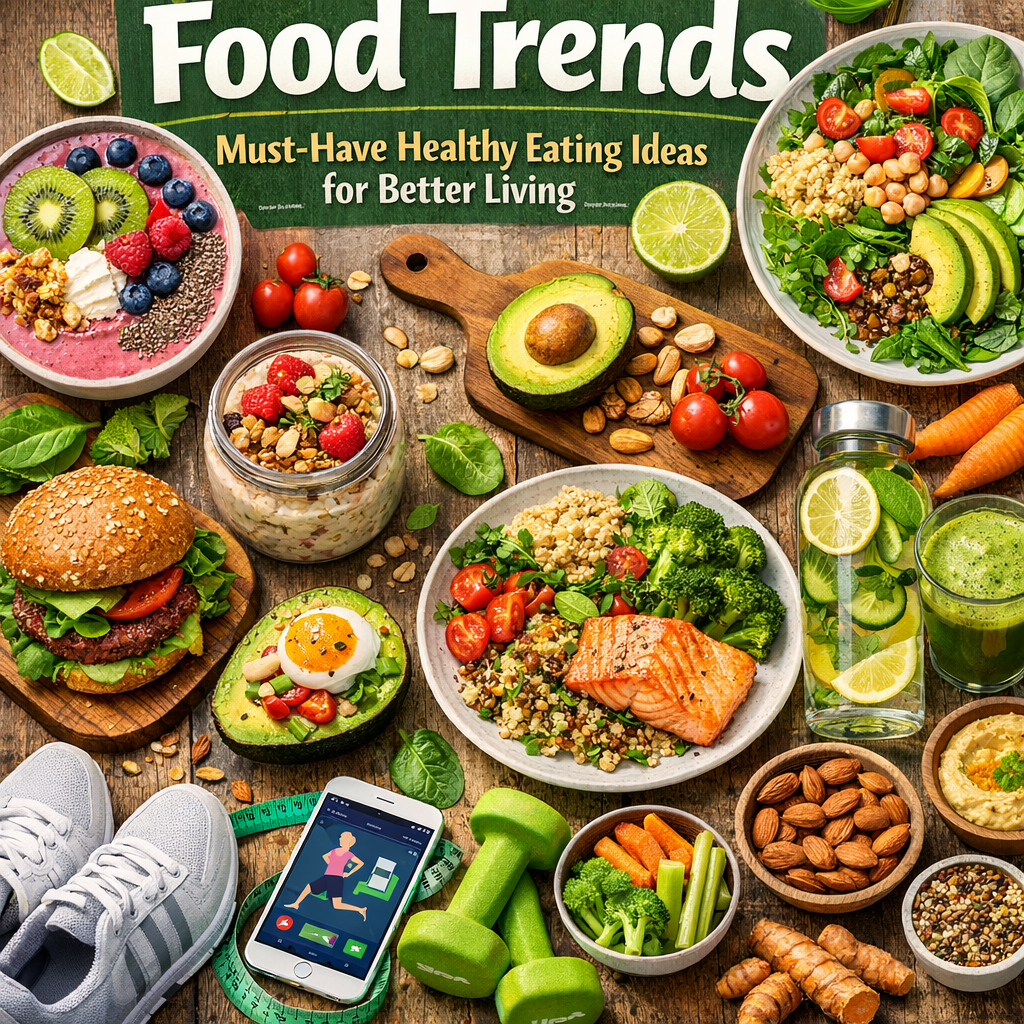
The way people approach nutrition has changed significantly over the last few years. Instead of following one-size-fits-all meal plans, many are adopting personalized eating habits based on lifestyle, age, activity level, and wellness goals. This shift has helped healthy eating become more accessible and less intimidating.
Modern consumers are also reading labels more carefully. They are paying attention to ingredients, sugar content, fiber, protein, and how food makes them feel. Convenience still matters, but now it is often paired with better quality. This is why simple, wholesome foods with functional benefits are getting more attention than ever.
Social media, wellness professionals, and easy access to nutrition information have all played a role in this change. As a result, people are discovering practical ways to eat better without giving up flavor or enjoyment.
Food Trends Shaping Better Living
Several food trends are standing out because they combine nutrition, convenience, and sustainability. These ideas are easy to adapt and can have a real impact on overall health.
1. Plant-Forward Eating
One of the strongest movements in healthy eating is the shift toward plant-forward meals. This does not always mean becoming fully vegetarian or vegan. Instead, it means choosing more vegetables, fruits, legumes, nuts, seeds, and whole grains while reducing dependence on heavily processed foods or oversized meat portions.
Plant-forward eating supports heart health, digestion, and weight management. It also adds variety and color to meals, which naturally increases nutrient intake. A simple grain bowl with roasted vegetables, beans, leafy greens, and a light dressing can be both satisfying and highly nutritious.
2. High-Protein Choices With Better Balance
Protein continues to be a major focus, but the trend is moving beyond basic shakes and bars. People are now looking for balanced protein sources that come with additional nutrients, such as Greek yogurt, lentils, eggs, cottage cheese, tofu, salmon, and edamame.
Protein helps with muscle maintenance, energy, and satiety, making it a smart part of any healthy eating routine. The key is combining protein with fiber-rich carbohydrates and healthy fats for meals that feel complete and nourishing.
3. Gut-Friendly Foods
Digestive health has become a major priority, and that has brought fermented and fiber-rich foods into the spotlight. Yogurt with live cultures, kefir, kimchi, sauerkraut, miso, and kombucha are increasingly popular for their potential to support a healthy gut microbiome.
At the same time, people are adding more prebiotic foods such as oats, bananas, onions, garlic, asparagus, and beans. These foods feed beneficial gut bacteria and support better digestion. Since gut health is often linked to immunity, mood, and energy levels, this is one of the most meaningful shifts in modern eating habits.
4. Smart Snacking
Snacking is no longer viewed as a bad habit. In fact, it can be a helpful way to maintain energy and prevent overeating later in the day. The difference lies in what people choose.
Healthy snacking now focuses on nutrient density. Instead of reaching for chips or candy out of habit, more people are choosing options like apple slices with nut butter, roasted chickpeas, trail mix, hummus with vegetables, or high-protein yogurt. These snacks provide lasting energy and support better blood sugar balance.
Food Trends in Everyday Meals
You do not need a complete lifestyle overhaul to benefit from current food trends. Small adjustments can make healthy eating feel natural and sustainable.
Build a Better Breakfast
A strong breakfast can set the tone for the day. Instead of relying on sugary cereals or skipping the meal entirely, many people are choosing breakfasts that include protein, fiber, and healthy fats. Good options include overnight oats with chia seeds, eggs with whole-grain toast, or a smoothie made with fruit, spinach, Greek yogurt, and flaxseed.
Upgrade Lunch With Whole Ingredients
Lunch often becomes healthier when it is built around whole foods. Grain bowls, salads with protein, hearty soups, and wraps filled with vegetables are all practical choices. Preparing ingredients in advance can make it easier to avoid less healthy convenience foods during a busy workday.
Make Dinner Simpler and More Nutritious
Healthy dinners do not have to be complicated. A balanced plate can be as simple as grilled fish or tofu, roasted vegetables, and quinoa or brown rice. Sheet-pan meals, stir-fries, and one-pot dishes are especially useful for people who want nutritious meals without spending too much time cooking.
Popular Ingredients Worth Adding to Your Routine
Many healthy eating ideas become easier when you keep a few versatile staples on hand. Ingredients that continue to trend for good reason include:
– Leafy greens like spinach and kale
– Whole grains such as oats, quinoa, and brown rice
– Beans, lentils, and chickpeas
– Avocados and olive oil
– Seeds like chia, flax, and pumpkin
– Berries and citrus fruits
– Fermented foods for gut support
– Nuts for healthy fats and protein
These ingredients work in many meals and offer a strong nutritional foundation. They also make it easier to prepare food at home, which often leads to better eating habits overall.
How to Make Healthy Eating Last
The best approach to nutrition is one that fits your real life. Trends can be inspiring, but lasting results come from consistency. Rather than trying everything at once, it helps to choose one or two ideas that feel manageable.
You might start by adding one extra serving of vegetables each day, replacing a processed snack with a whole-food option, or planning three simple dinners each week. Small changes often lead to bigger improvements over time.
It is also important to leave room for flexibility. Healthy eating should not feel rigid or stressful. Enjoying favorite foods in moderation, trying new ingredients, and listening to your body are all part of building a positive relationship with food.
A Fresh Approach to Better Living
Healthy eating today is more realistic and enjoyable than many people expect. The most useful ideas are not extreme—they are practical, balanced, and designed to support everyday life. By paying attention to current food trends, it becomes easier to discover habits that improve energy, digestion, focus, and overall wellness.
The goal is not perfection. It is progress. Choosing more whole foods, eating with intention, and making simple upgrades to daily meals can lead to meaningful benefits over time. When healthy choices become part of your routine, better living stops feeling like a challenge and starts feeling natural.