- Why Body Nutrition Matters Every Day
- Best Body Nutrition Habits to Build
- 1. Eat Balanced Meals
- 2. Make Water a Daily Priority
- 3. Focus on Whole Foods More Often
- Body Nutrition and Smart Portion Awareness
- Do Not Skip Breakfast Without Thought
- Plan Ahead for Better Choices
- Support Body Nutrition With Better Snacking
- Limit Added Sugar and Excess Salt
- Nutrition Works Best With Other Healthy Habits
- Final Thoughts
Body Nutrition: Must-Have Best Habits for a Healthy Life
Body nutrition is the foundation of long-term health, steady energy, mental clarity, and overall well-being. What you eat every day affects far more than your weight. It influences your immune system, mood, sleep quality, digestion, and even how well your body handles stress. Good eating habits are not about strict dieting or cutting out every favorite food. Instead, they are about giving your body the nutrients it needs consistently and creating routines that support a healthier life.
In a world full of quick fixes and confusing health advice, the best approach is often the simplest: build practical habits that you can maintain. When your meals are balanced and your daily choices are mindful, your body responds with better performance and resilience.
Why Body Nutrition Matters Every Day
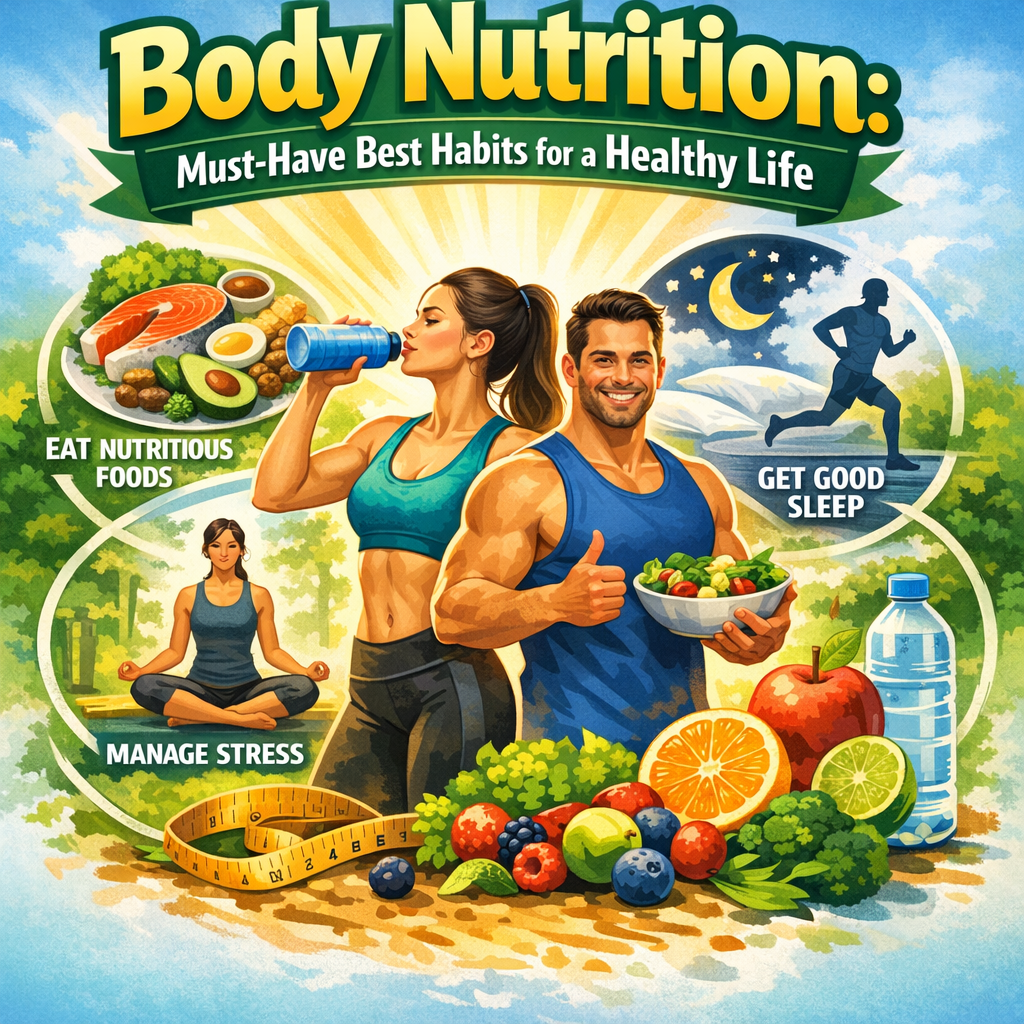
Your body works around the clock. It repairs tissues, produces hormones, regulates temperature, supports brain function, and converts food into energy. None of this happens efficiently without proper nourishment. A poor diet may leave you feeling tired, sluggish, unfocused, or more vulnerable to illness. On the other hand, balanced nutrition helps you feel stronger, think more clearly, and maintain a healthier lifestyle over time.
Nutrition also plays a major role in disease prevention. Heart disease, type 2 diabetes, high blood pressure, and certain digestive issues are often linked to unhealthy eating patterns. Choosing nutrient-dense foods regularly can lower those risks and improve quality of life at any age.
Best Body Nutrition Habits to Build
Healthy living does not require perfection. It requires consistency. Here are some of the most important habits to include in your routine.
1. Eat Balanced Meals
A balanced plate gives your body a mix of nutrients instead of too much of one thing and too little of another. A simple way to build better meals is to include:
– Lean protein such as eggs, fish, beans, chicken, tofu, or yogurt
– Complex carbohydrates like oats, brown rice, sweet potatoes, or whole grains
– Healthy fats from nuts, seeds, olive oil, or avocado
– Fruits and vegetables for vitamins, minerals, and fiber
When meals are balanced, you are more likely to stay full longer and avoid energy crashes later in the day.
2. Make Water a Daily Priority
Hydration is often overlooked, yet it is essential to body function. Water supports digestion, circulation, temperature control, and nutrient transport. Even mild dehydration can cause headaches, fatigue, and poor concentration.
Try these simple hydration habits:
– Start the morning with a glass of water
– Carry a reusable bottle throughout the day
– Drink water with meals
– Choose water more often instead of sugary drinks
If plain water feels boring, add lemon, cucumber, or fresh mint for flavor.
3. Focus on Whole Foods More Often
Highly processed foods are usually high in added sugar, unhealthy fats, sodium, and artificial ingredients while being low in fiber and nutrients. Whole foods, by contrast, nourish the body more effectively.
Aim to eat more:
– Fresh vegetables and fruits
– Whole grains
– Nuts and seeds
– Legumes
– Fresh or minimally processed protein sources
This does not mean you can never enjoy convenience foods. It simply means the majority of your diet should come from foods in their more natural form.
Body Nutrition and Smart Portion Awareness
Portion control is an important habit because even healthy foods can be overconsumed. Many people eat quickly, snack mindlessly, or rely on oversized restaurant servings, which can make it harder to recognize true hunger and fullness.
A few helpful strategies include:
– Eat slowly and chew thoroughly
– Use smaller plates when possible
– Pause halfway through a meal to check if you are still hungry
– Avoid eating straight from large packages
– Learn the difference between physical hunger and emotional eating
You do not need to count every calorie to improve portion habits. Being present and paying attention to your body can make a big difference.
Do Not Skip Breakfast Without Thought
Breakfast can help replenish energy after sleep and set the tone for better food choices throughout the day. While not everyone feels hungry first thing in the morning, many people benefit from starting with a nutritious meal rather than relying on caffeine and convenience snacks.
A strong breakfast may include:
– Oatmeal with fruit and nuts
– Eggs with whole-grain toast and vegetables
– Greek yogurt with seeds and berries
– A smoothie with protein, fruit, and spinach
The goal is to avoid meals that cause a sugar spike and crash, such as pastries or heavily sweetened cereals.
Plan Ahead for Better Choices
One of the most effective habits for healthier eating is planning. When you wait until you are extremely hungry, you are more likely to choose fast food or highly processed snacks. Meal planning helps you stay in control and reduce stress.
You can start small by:
– Planning dinners for three or four days at a time
– Preparing ingredients in advance
– Keeping healthy snacks available
– Making a grocery list before shopping
– Cooking extra portions for leftovers
Preparation makes nutritious choices easier, especially on busy days.
Support Body Nutrition With Better Snacking
Snacks can either help your nutrition goals or work against them. The best snacks combine nutrients and satisfy hunger between meals without leading to overeating.
Good snack ideas include:
– Apple slices with peanut butter
– A boiled egg and fruit
– Hummus with carrots or cucumbers
– Greek yogurt with berries
– A handful of nuts and seeds
Snacking is most helpful when it is intentional, not simply a response to boredom.
Limit Added Sugar and Excess Salt
Many packaged foods contain hidden sugars and high sodium levels. Too much sugar can contribute to weight gain, inflammation, and unstable energy, while excess salt may increase blood pressure.
Read labels when possible and try to reduce:
– Sugary drinks
– Candy and desserts eaten daily
– Packaged sauces and dressings
– Chips and salty processed foods
– Sweetened breakfast items
Small changes matter. Replacing one soda a day with water or reducing heavily processed snacks can improve your overall intake significantly.
Nutrition Works Best With Other Healthy Habits
Good eating is powerful, but it works even better when combined with other lifestyle habits. Nutrition does not exist in isolation. Your body thrives when several healthy behaviors come together.
Important habits that support better nutrition include:
– Regular exercise, which helps metabolism and heart health
– Quality sleep, which affects hunger hormones and energy balance
– Stress management, since chronic stress often leads to emotional eating
– Consistent meal timing, which can help regulate appetite
A healthy life is built on patterns, not one perfect meal.
Final Thoughts
Strong health begins with everyday choices, and nutrition is one of the most important. You do not need a complicated plan to nourish yourself well. Start with habits that are realistic: eat balanced meals, drink enough water, choose more whole foods, watch portions, and plan ahead. Over time, these simple actions can improve energy, support disease prevention, and help you feel better physically and mentally.
The best approach is one you can maintain. If you focus on progress instead of perfection, healthy eating becomes less of a challenge and more of a lifestyle. With the right habits, your body gets the support it needs to stay active, strong, and well for years to come.