- Why Small Changes Matter
- Healthy Cooking Tips for Smarter Meal Planning
- Stock Your Kitchen With Useful Basics
- Use Cooking Methods That Keep Meals Light
- Add Flavor Without Overloading Salt or Sugar
- Build Balanced Plates Without Complication
- Healthy Cooking Tips for Faster Weeknight Meals
- Make Healthy Cooking Enjoyable
- Final Thoughts
Simple Ways to Make Nutritious Meals Feel Easy
Healthy cooking tips can transform everyday meals from rushed, repetitive, and heavy into dishes that are flavorful, balanced, and surprisingly easy to prepare. Many people assume cooking healthier requires complicated recipes, expensive ingredients, or lots of time in the kitchen. In reality, small changes in how you shop, prep, and cook can make a big difference. With the right habits, you can create meals that support your energy, help you feel satisfied, and fit into a busy routine.
Why Small Changes Matter
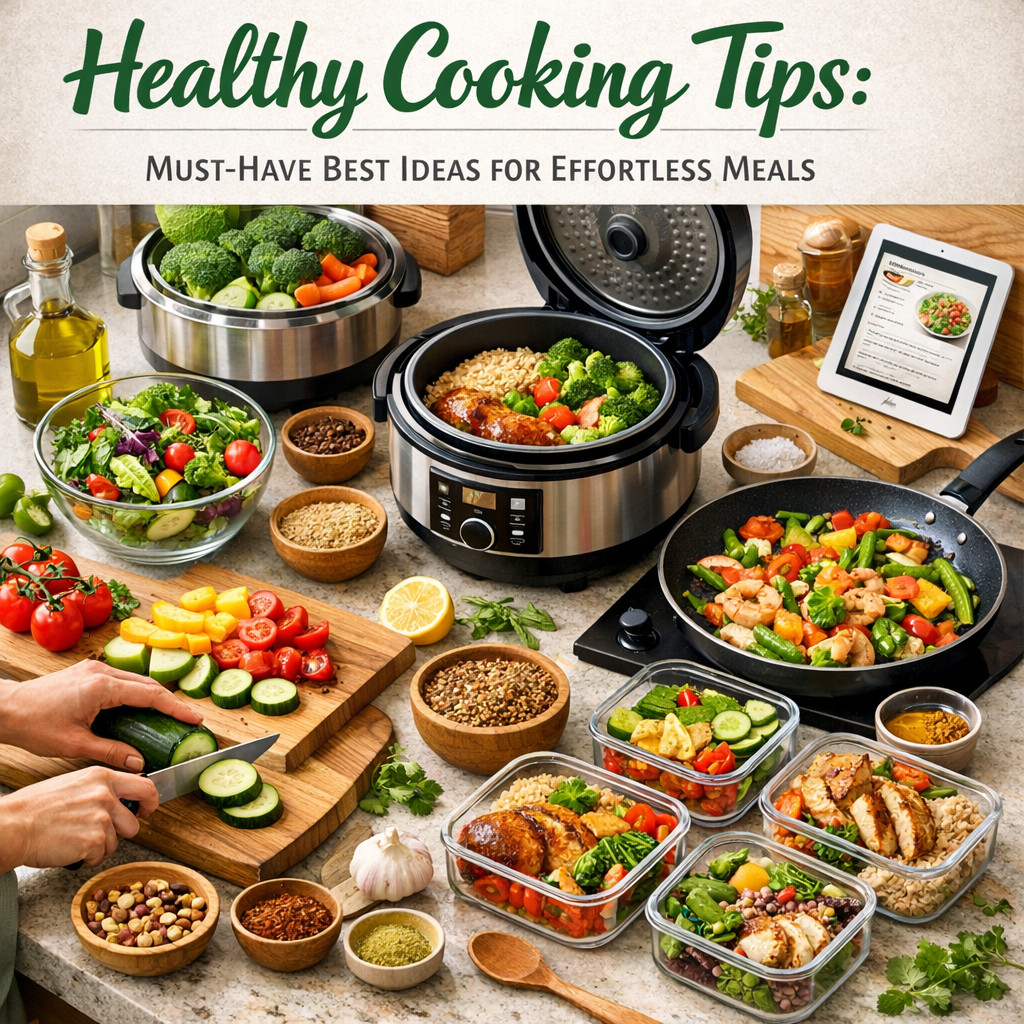
A healthier kitchen routine is not about perfection. It is about making choices that are practical and sustainable. When you focus on simple improvements—like using less oil, adding more vegetables, or choosing better cooking methods—you make nutritious eating feel manageable.
The goal is not to remove all comfort foods or measure every ingredient. Instead, think of healthy cooking as building meals that include more whole foods, better balance, and smarter preparation. These small shifts can help reduce stress around meals and make cooking something you enjoy rather than avoid.
Healthy Cooking Tips for Smarter Meal Planning
One of the biggest secrets to effortless meals is planning ahead. You do not need a strict meal plan for every day of the week, but a loose idea of what you will cook can save time and prevent last-minute unhealthy choices.
Here are a few easy planning habits:
– Choose 3 to 4 simple meals for the week
– Pick ingredients that can be used in multiple dishes
– Prep a few staples in advance, such as rice, roasted vegetables, or grilled chicken
– Keep quick backup options on hand, like canned beans, eggs, or frozen vegetables
When your kitchen already has the basics, healthy meals come together much faster. Planning also helps reduce food waste because you are more likely to use what you buy.
Stock Your Kitchen With Useful Basics
A well-stocked kitchen makes healthy cooking much easier. You do not need specialty products or trendy superfoods. Instead, focus on versatile ingredients that support quick, balanced meals.
Helpful pantry and fridge staples include:
– Whole grains like brown rice, oats, quinoa, or whole wheat pasta
– Canned beans and lentils
– Low-sodium broth
– Olive oil
– Garlic, onions, and herbs
– Eggs
– Greek yogurt
– Frozen fruits and vegetables
– Nuts and seeds
– Lean proteins such as chicken, fish, tofu, or turkey
These ingredients can be mixed and matched in endless ways. For example, cooked quinoa, black beans, salsa, and avocado can become a fast grain bowl. Eggs, spinach, and leftover vegetables can turn into a quick breakfast or dinner.
Use Cooking Methods That Keep Meals Light
The way you cook matters just as much as what you cook. Some techniques add unnecessary fat or reduce the natural texture and flavor of fresh ingredients. Choosing lighter methods can improve both taste and nutrition.
Try these options more often:
– Roasting: Brings out natural sweetness in vegetables with minimal oil
– Steaming: Helps preserve color, texture, and nutrients
– Grilling: Adds flavor without heavy sauces
– Sautéing: Works well with a small amount of heart-healthy oil
– Baking: Great for proteins and one-pan meals
– Air frying: Gives crisp texture with less oil than deep frying
If a recipe calls for frying, consider whether roasting or baking could give a similar result with less mess and fewer calories.
Add Flavor Without Overloading Salt or Sugar
Healthy food should never feel bland. One of the best ways to make lighter meals more satisfying is to build flavor with ingredients that do not depend on excess salt, sugar, or heavy sauces.
A few easy flavor boosters include:
– Fresh lemon or lime juice
– Vinegar, such as balsamic or apple cider
– Garlic and ginger
– Fresh herbs like parsley, cilantro, or basil
– Spices like paprika, cumin, turmeric, and chili flakes
– Mustard
– Tomato paste
– Yogurt-based sauces
Acid, herbs, and spices can completely change a dish. A simple roasted vegetable tray becomes far more exciting with garlic, smoked paprika, and a squeeze of lemon before serving.
Build Balanced Plates Without Complication
A practical way to cook healthier is to think in terms of balance. You do not need to follow strict diet rules. Just aim to include a few key elements in each meal:
– A source of protein
– Plenty of vegetables
– A fiber-rich carbohydrate
– A small amount of healthy fat
For example, a balanced dinner could be grilled salmon, roasted broccoli, and sweet potato. A balanced lunch might be a chicken wrap with lots of crunchy vegetables and a yogurt-based dressing. Even a simple pasta dish becomes more nourishing when you add spinach, beans, and olive oil.
This approach helps meals feel satisfying and keeps you full longer.
Healthy Cooking Tips for Faster Weeknight Meals
Busy days are often when healthy intentions fall apart. That is why speed matters. The easier your meals are to assemble, the more likely you are to stick with better choices.
To save time during the week:
– Wash and chop vegetables when you get home from the store
– Cook double portions and save leftovers
– Use sheet pan meals for easy cleanup
– Keep sauces simple and homemade when possible
– Rely on frozen produce for convenience
– Prepare ingredients in batches rather than entire meals
A quick meal does not have to be boring. A stir-fry with frozen vegetables, tofu, garlic, and brown rice can be ready in under 20 minutes. A baked chicken tray with carrots, onions, and potatoes requires very little hands-on effort.
Make Healthy Cooking Enjoyable
The best routine is one you can actually maintain. If you dislike complicated recipes, choose simple ones. If chopping vegetables feels like a chore, buy some pre-cut options. If you get bored easily, rotate flavors with different herbs, sauces, and proteins.
You can also make cooking more enjoyable by:
– Listening to music or a podcast while you cook
– Trying one new recipe each week
– Involving family members in prep
– Keeping your most-used tools within easy reach
– Choosing recipes with short ingredient lists
Healthy cooking should support your lifestyle, not overwhelm it.
Final Thoughts
Effortless meals are usually the result of good systems rather than advanced cooking skills. A little planning, a few reliable ingredients, and simple cooking methods can make nutritious eating feel natural. Start with one or two habits, such as prepping ingredients ahead or using more vegetables in everyday dishes, and build from there.
Over time, these small adjustments become routine. And when healthy meals are easier to make, they are much easier to enjoy.