- What a Plant Based Diet Really Means
- Why More People Are Choosing This Lifestyle
- Health Benefits of a Plant Based Diet
- Better Heart Health
- Improved Digestion
- Easier Weight Management
- More Stable Energy
- Essential Foods to Keep in Your Kitchen
- How to Build Balanced Meals Without Overthinking It
- Common Mistakes to Avoid
- Relying Too Much on Processed Foods
- Not Eating Enough Protein
- Forgetting Key Nutrients
- Making Too Many Changes at Once
- Easy Ways to Start a Plant Based Diet
- Making It Work for Real Life
- Final Thoughts
A Practical Guide to Eating More Plants Every Day
Plant based diet habits can make healthy living feel simpler, more affordable, and more sustainable when approached in a realistic way. Rather than focusing on strict rules, this way of eating emphasizes whole foods such as vegetables, fruits, legumes, nuts, seeds, and whole grains while reducing reliance on heavily processed items and excessive animal products. For many people, it is not about perfection. It is about building meals that support energy, digestion, heart health, and overall well-being without making daily life complicated.
What a Plant Based Diet Really Means
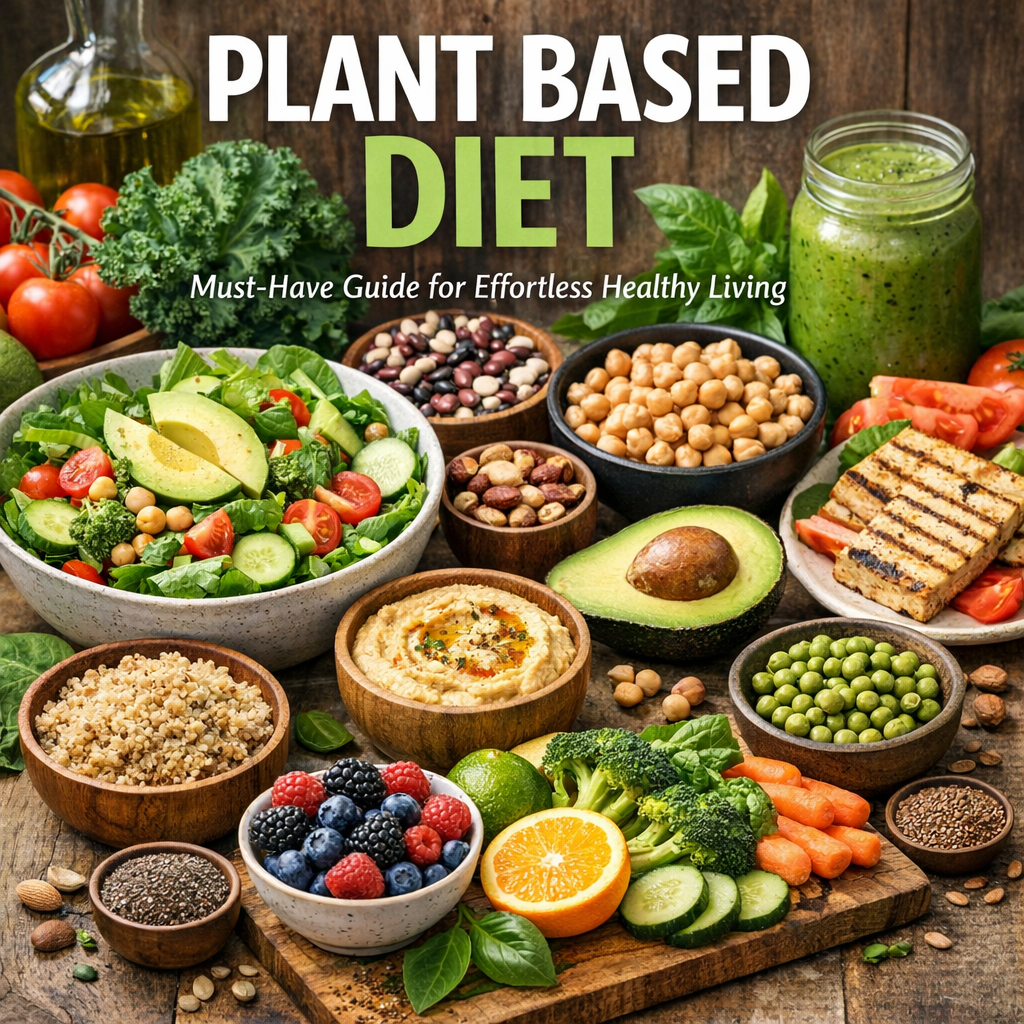
A plant based diet centers around foods that come from plants, but that does not always mean the same thing for everyone. Some people eat fully vegan meals and avoid all animal products. Others follow a more flexible pattern and still include small amounts of dairy, eggs, fish, or meat from time to time. The main idea is that plant foods make up the foundation of most meals.
This approach often includes:
– Vegetables of all kinds
– Fresh and frozen fruits
– Beans, lentils, and peas
– Whole grains like oats, brown rice, quinoa, and barley
– Nuts and seeds
– Plant oils such as olive oil or avocado oil
– Herbs, spices, and natural seasonings
Because it is adaptable, this style of eating works well for beginners, families, busy professionals, and anyone looking to improve nutrition without following an extreme plan.
Why More People Are Choosing This Lifestyle
There are many reasons people shift toward meals built around plants. Health is often the biggest motivator. Diets rich in fiber, antioxidants, vitamins, and minerals may support heart health, weight management, blood sugar balance, and digestive health. Many people also notice they feel lighter and more energized when meals are less focused on processed foods and heavy portions of meat.
Beyond personal health, plant-forward eating can also appeal to those who care about environmental impact and food sustainability. Producing beans, grains, and vegetables often requires fewer resources than animal-based foods. While that may not be the main reason for everyone, it is a meaningful benefit.
Another major reason is simplicity. A bowl of rice, roasted vegetables, and chickpeas can be fast, filling, and budget-friendly. With the right staples on hand, healthy meals become easier to assemble.
Health Benefits of a Plant Based Diet
One of the strongest advantages of a plant based diet is the nutritional density of whole plant foods. Many of these ingredients provide a combination of fiber, slow-digesting carbohydrates, healthy fats, and plant protein, which can help keep you satisfied.
Here are some possible benefits:
Better Heart Health
Plant-rich eating patterns are commonly associated with lower intake of saturated fat and higher intake of fiber. This combination may help support healthy cholesterol levels and overall cardiovascular wellness.
Improved Digestion
Beans, vegetables, fruits, and whole grains are naturally high in fiber. Fiber supports regular digestion and helps feed beneficial gut bacteria, which play a role in broader health.
Easier Weight Management
Plant-focused meals often contain more volume and fewer calories than heavily processed convenience foods. That means you can eat satisfying portions while still supporting healthy weight goals.
More Stable Energy
Meals built around whole grains, legumes, and produce can provide lasting energy rather than the quick spikes and crashes that sometimes come from sugary or highly refined foods.
Essential Foods to Keep in Your Kitchen
If you want this way of eating to feel effortless, start by stocking practical basics. Having the right foods available can remove stress and reduce the temptation to rely on takeout or processed snacks.
Consider keeping these staples at home:
– Canned beans and lentils
– Dry grains such as oats, quinoa, and brown rice
– Frozen vegetables for quick meals
– Leafy greens and colorful fresh produce
– Nut butters
– Chia seeds, flaxseeds, or pumpkin seeds
– Tofu, tempeh, or edamame
– Olive oil, garlic, onions, and basic seasonings
– Plant-based milk with calcium and vitamin D
These ingredients can be mixed and matched into soups, salads, grain bowls, wraps, pasta dishes, and smoothies.
How to Build Balanced Meals Without Overthinking It
One of the easiest ways to make this lifestyle sustainable is to follow a simple meal formula. You do not need complicated recipes every day. A balanced plate can often be built from a few key components:
– Protein: beans, lentils, tofu, tempeh, edamame, peas
– Carbohydrates: brown rice, sweet potatoes, quinoa, oats, whole grain bread
– Healthy fats: avocado, nuts, seeds, olive oil
– Fiber and micronutrients: vegetables and fruit
For example, lunch could be a quinoa bowl with black beans, roasted peppers, spinach, avocado, and a lemon-tahini dressing. Dinner might be lentil curry with brown rice and steamed broccoli. Breakfast could be oatmeal topped with berries, walnuts, and chia seeds.
This structure helps meals feel complete and satisfying.
Common Mistakes to Avoid
A plant-focused approach can be very healthy, but there are a few common issues to watch for.
Relying Too Much on Processed Foods
Not every meatless product is automatically nutritious. Some packaged foods are convenient, but they can also be high in sodium, additives, and refined ingredients. Whole foods should still be the main priority.
Not Eating Enough Protein
Protein is usually easy to get when meals include legumes, soy products, nuts, seeds, and whole grains. The problem is often not the diet itself, but poor planning.
Forgetting Key Nutrients
People who eat mostly or entirely plant foods should pay attention to vitamin B12, iron, omega-3 fats, calcium, vitamin D, and zinc. Depending on your eating pattern, fortified foods or supplements may be helpful.
Making Too Many Changes at Once
You do not have to transform your diet overnight. Gradual changes are often easier to maintain.
Easy Ways to Start a Plant Based Diet
Getting started does not need to feel overwhelming. Small steps often lead to lasting habits.
Try these beginner-friendly strategies:
1. Start with one plant-focused meal each day.
2. Replace one or two meat-based dinners each week with bean, lentil, or tofu meals.
3. Add vegetables to meals you already enjoy.
4. Swap refined grains for whole grains when possible.
5. Keep simple snacks nearby, such as fruit, nuts, hummus, or roasted chickpeas.
6. Learn three to five easy recipes you can repeat regularly.
Consistency matters more than doing everything perfectly.
Making It Work for Real Life
Healthy eating should fit into your schedule, budget, and preferences. Batch cooking grains, chopping vegetables ahead of time, and using canned beans can save a lot of effort. Frozen produce is also a smart choice because it is affordable, convenient, and nutritious.
When dining out, look for meals built around beans, grains, salads, roasted vegetables, or pasta with vegetable-based sauces. If family members eat differently, create flexible meals where everyone can customize their plates.
The best routine is the one you can actually maintain.
Final Thoughts
A plant based diet can be one of the most practical ways to support better health without making food feel restrictive or complicated. By focusing on whole ingredients, balanced meals, and gradual changes, you can create habits that feel natural and enjoyable. Whether you are making a full transition or simply adding more plants to your plate, every step counts. Done consistently, this way of eating can help you feel nourished, energized, and more in control of your daily wellness.