- What Is the Mediterranean Diet?
- Why the Mediterranean Diet Stands Out
- Key Foods to Eat More Often
- Vegetables and Fruits
- Whole Grains
- Legumes
- Healthy Fats
- Seafood and Lean Protein
- Foods to Limit Without Feeling Deprived
- Mediterranean Diet Meal Ideas for Real Life
- How to Start the Mediterranean Diet Without Overcomplicating It
- Lifestyle Habits That Make This Approach Even More Effective
- Common Myths About the Mediterranean Diet
- Final Thoughts
Mediterranean Diet: Must-Have Guide for Effortless Healthy Living
Mediterranean diet is more than a meal plan—it is a simple, enjoyable way of eating that supports long-term health without extreme rules or complicated tracking. Inspired by the traditional food habits of countries bordering the Mediterranean Sea, this approach focuses on fresh vegetables, fruits, whole grains, legumes, nuts, olive oil, herbs, seafood, and moderate portions of dairy and lean proteins. Instead of feeling restrictive, it encourages balance, variety, and pleasure at the table.
For many people, healthy eating feels difficult because it is often presented as all-or-nothing. The beauty of this lifestyle is that it does not demand perfection. It makes room for family meals, seasonal ingredients, and satisfying dishes that are both nourishing and flavorful. Whether your goal is better heart health, steady energy, weight management, or simply a more realistic routine, this eating pattern offers a practical path.
What Is the Mediterranean Diet?
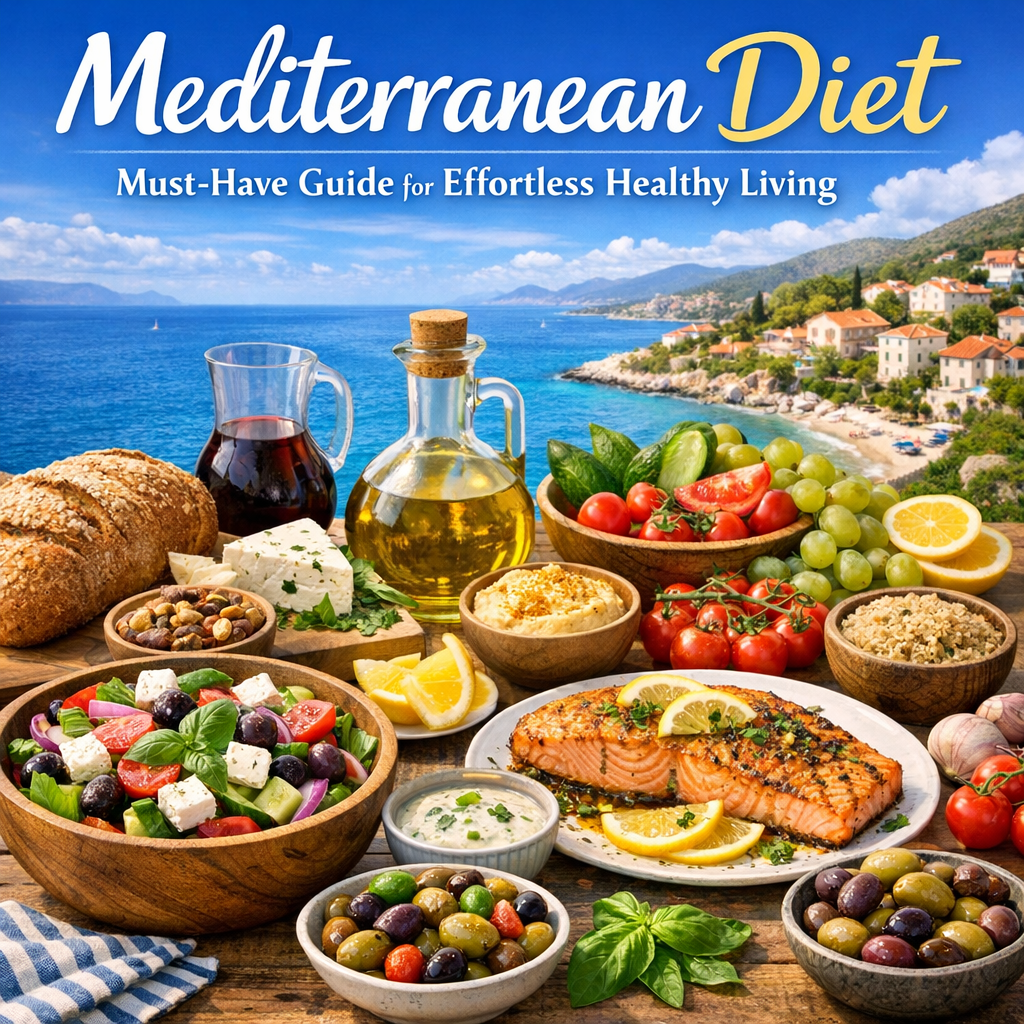
The mediterranean diet is based on the everyday eating habits seen in places like Greece, southern Italy, and parts of Spain. It emphasizes plant-based foods as the foundation of most meals, with healthy fats and moderate amounts of protein added in a balanced way.
At its core, this style of eating includes:
– Plenty of vegetables and fruits
– Whole grains such as oats, brown rice, barley, and whole wheat bread
– Beans, lentils, and chickpeas
– Nuts and seeds
– Olive oil as the main fat source
– Fish and seafood several times a week
– Moderate dairy, especially yogurt and cheese
– Smaller amounts of poultry and eggs
– Limited processed foods, red meat, and sugary treats
It is not a rigid checklist. Instead, it is a pattern that helps you build meals from wholesome ingredients while keeping food enjoyable.
Why the Mediterranean Diet Stands Out
Many diets promise quick results, but few are as sustainable as this one. One major reason is that it does not rely on cutting out entire food groups or following harsh restrictions. The focus is on choosing better-quality foods more often.
Research has consistently linked this way of eating with a variety of health benefits, including:
– Improved heart health
– Lower risk of type 2 diabetes
– Better cholesterol levels
– Reduced inflammation
– Support for brain health
– Easier weight maintenance over time
Another reason it stands out is taste. Meals built around olive oil, tomatoes, garlic, leafy greens, beans, fish, lemon, and herbs are naturally rich in flavor. When food tastes good, sticking with healthy habits becomes much easier.
Key Foods to Eat More Often
If you want to follow this lifestyle, start by filling your kitchen with foods that make it easy.
Vegetables and Fruits
These should appear in most meals and snacks. Think tomatoes, spinach, cucumbers, eggplant, zucchini, peppers, oranges, berries, apples, and grapes. Aim for color and variety.
Whole Grains
Choose grains that are less processed and more filling. Good options include quinoa, oats, farro, bulgur, whole grain pasta, and brown rice.
Legumes
Beans and lentils are affordable, versatile, and packed with fiber and protein. Add them to soups, salads, stews, or grain bowls.
Healthy Fats
Olive oil is one of the signature foods of this pattern. Use it for roasting vegetables, dressing salads, or drizzling over cooked dishes. Avocados, nuts, and seeds also fit well.
Seafood and Lean Protein
Fish like salmon, sardines, trout, and mackerel are especially valuable because they contain omega-3 fats. Chicken, turkey, eggs, and yogurt can also be included in moderate amounts.
Foods to Limit Without Feeling Deprived
This way of eating does not ban foods, but it does encourage reducing items that can crowd out more nourishing choices.
Try to limit:
– Highly processed snacks
– Sugary drinks
– Refined carbohydrates
– Fast food
– Excess red and processed meat
– Heavy desserts eaten too often
The goal is not guilt. It is simply to make these foods occasional rather than everyday staples.
Mediterranean Diet Meal Ideas for Real Life
One of the best things about the mediterranean diet is how flexible it is. You do not need special products or gourmet cooking skills to make it work.
Here are a few easy meal ideas:
Breakfast
– Greek yogurt with berries, walnuts, and a drizzle of honey
– Whole grain toast with avocado, tomato, and a boiled egg
– Oatmeal topped with sliced fruit and almonds
Lunch
– Chickpea salad with cucumber, tomato, red onion, olive oil, and lemon
– Whole grain wrap with hummus, grilled vegetables, and greens
– Lentil soup with a side salad and crusty whole grain bread
Dinner
– Grilled salmon with roasted vegetables and quinoa
– Whole grain pasta with olive oil, garlic, spinach, tomatoes, and white beans
– Baked chicken with herbs, brown rice, and a large mixed salad
Snacks
– Fresh fruit
– A handful of nuts
– Hummus with carrots or cucumber
– Yogurt with seeds
How to Start the Mediterranean Diet Without Overcomplicating It
A complete kitchen makeover is not necessary. Small shifts can make a big difference over time.
Start with these steps:
1. Replace butter or creamy dressings with olive oil-based options.
2. Add one extra serving of vegetables to lunch and dinner.
3. Swap white bread, rice, or pasta for whole grain versions.
4. Eat beans or lentils a few times each week.
5. Choose fish more often than red meat.
6. Keep healthy snacks visible and easy to grab.
7. Cook more meals at home using simple ingredients.
Even making two or three of these changes consistently can improve your routine.
Lifestyle Habits That Make This Approach Even More Effective
This eating pattern is often paired with a broader lifestyle that supports well-being. In many Mediterranean cultures, food is only one part of the picture.
Helpful habits include:
– Eating slowly and mindfully
– Sharing meals with family or friends
– Staying physically active through walking or regular movement
– Choosing fresh, seasonal foods when possible
– Enjoying treats in moderation instead of extremes
These habits help turn healthy eating into a lifestyle rather than a temporary plan.
Common Myths About the Mediterranean Diet
There are a few misunderstandings that can stop people from trying it.
Myth 1: It is expensive
It can be very affordable when built around beans, lentils, whole grains, seasonal produce, and canned fish.
Myth 2: It is only for people who love cooking
Simple meals work perfectly. A salad with chickpeas, olive oil, and lemon is enough to fit the pattern.
Myth 3: It means eating pasta and bread all day
Carbohydrates can be part of the plan, but they are usually balanced with vegetables, protein, and healthy fats.
Myth 4: It is too loose to be effective
Its flexibility is actually one of its strengths. People are more likely to stick with habits that feel realistic.
Final Thoughts
Healthy living does not have to come from strict food rules or trendy cleanses. A balanced, flavorful, and practical eating style can be enough to create lasting change. By focusing on whole foods, healthy fats, and simple meals made with care, you can support your health in a way that feels natural and enjoyable.
The real power of this approach lies in consistency. Start with one better breakfast, one vegetable-rich dinner, or one pantry swap. Over time, those small choices can build a way of eating that feels effortless, satisfying, and sustainable for years to come.